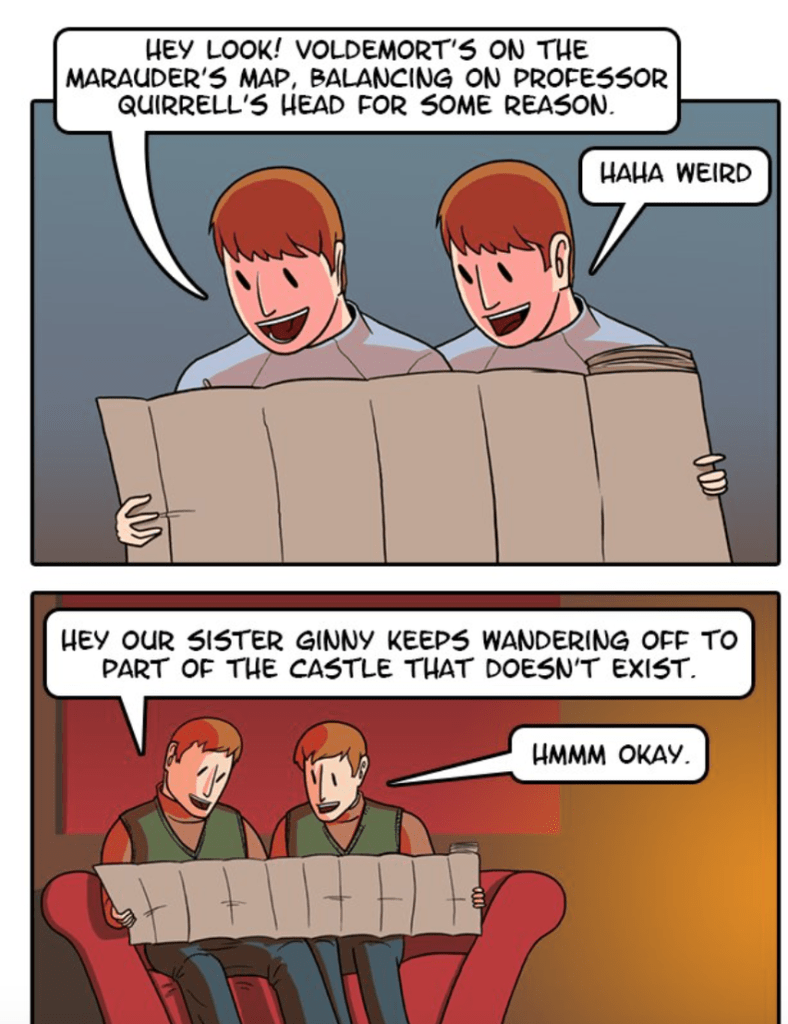
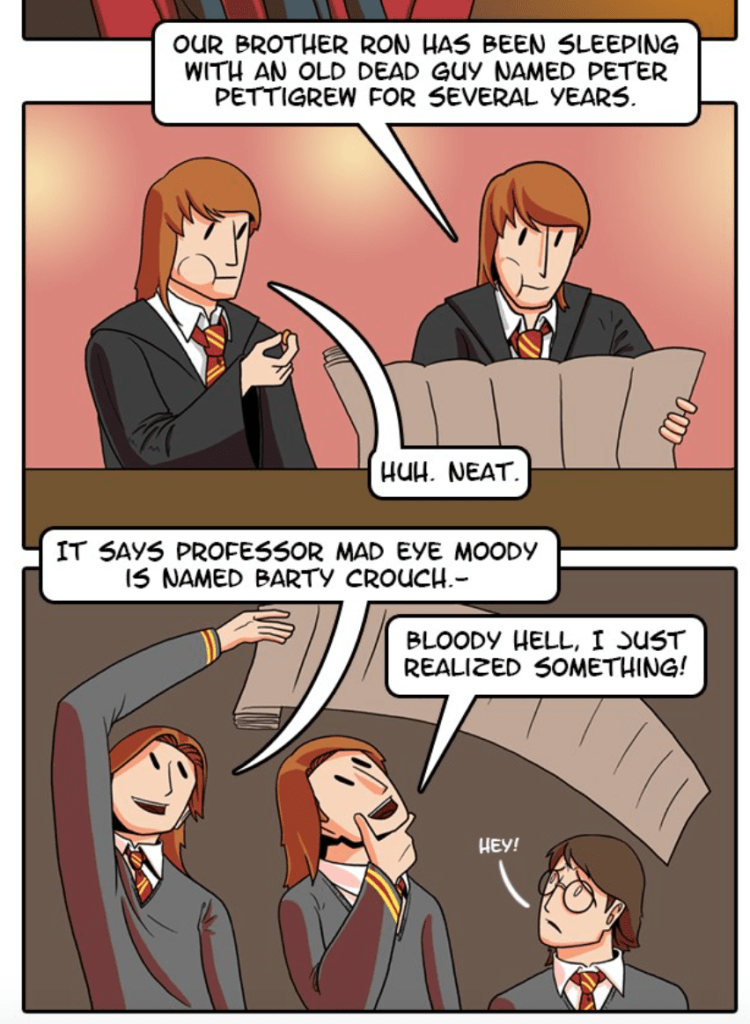
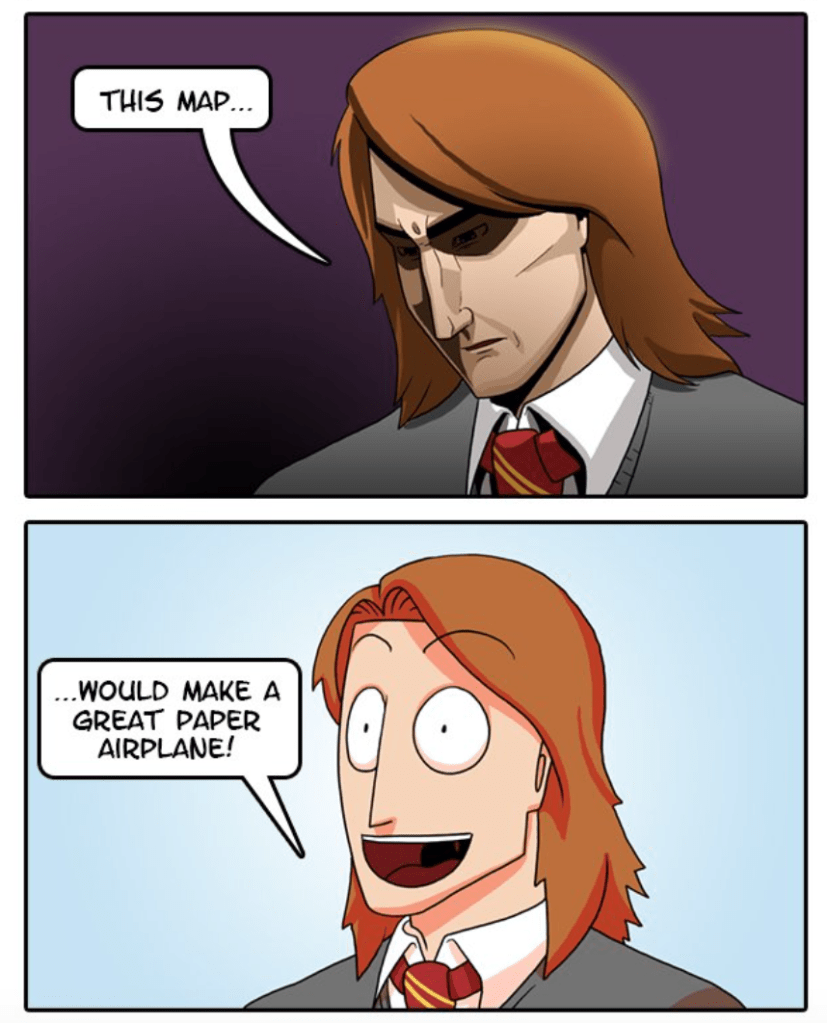
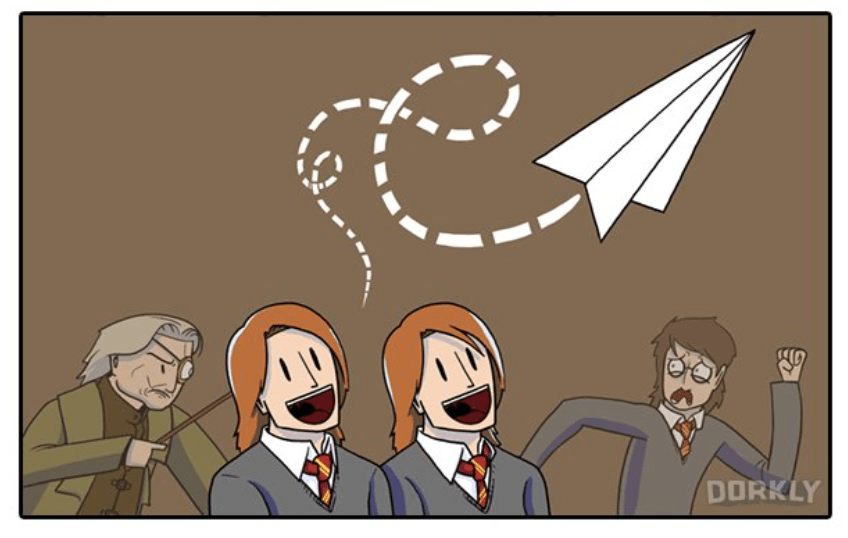
I adore the way fan fiction writers engage with and critique source texts, by manipulating them and breaking their rules. Some of it is straight-up homage, but a lot of [fan fiction] is really aggressive towards the source text. One tends to think of it as written by total fanboys and fangirls as a kind of worshipful act, but a lot of times you’ll read these stories and it’ll be like ‘What if Star Trek had an openly gay character on the bridge?’ And of course the point is that they don’t, and they wouldn’t, because they don’t have the balls, or they are beholden to their advertisers, or whatever. There’s a powerful critique, almost punk-like anger, being expressed there—which I find fascinating and interesting and cool.
You know, this is a really important sequence in the episode.
Not
because John is about shut down EOS. Because that’s what the episode has
been building up to. Its important, and particularly with EOS’ words.
Even though EOS is a child, she’s very much a victim of her own
circumstances. She’s alone and afraid, and even without any kind of
visual emotional cues, you can tell the isolation is terrifying, and the
prospect that she’s about to die is makes her incredibly sad and
fearful.
But its also a crucial part of John’s character as well.
He’s spent the first half of the episode trying to convince EOS that
he’s not a threat to her. And the Second half begging her to listen and
saying he doesn’t want to hurt her at all. He wants to help her,
understand her and look out for her. Like another sibling, or more
appropriately a parent to a child.
Even at the very end, this
his hand over the button for emergency shutdown, he’s borderline begging
her to stop, pleading with her that he doesn’t want to do it. Hell,
even before, when he was in Thunderbird 03 being ordered to destroy EOS
if that’s what it took, John really didn’t want to do it. He
continues to try and reason with her, even when EOS turned the gravity
ring on max spin and Alan stops it, John already treats her as Thunderbird 5, lightly warning her not to damage herself trying to take
him out.
Here in this scene, John’s still very hesitant with
his hand over the shutdown. At this point, if you read between the
lines:
He’s begging EOS not to make him a murderer.
The following scene where he takes his helmet off, to me, that says ‘I would rather die than become a murderer’. It just says so much about his character that he would rather die than compromise his ideals and the ideals of his family.
When Ron asks him, eyes not meeting, as the sun sets on the second day, Harry stops.
He is thinking of crunching leaves and waving branches and vicious laughter and then silence.
“It’s like a punch in the stomach,” he says.
When Hermione asks him, with a soft voice and her head on his shoulder, Harry frowns.
His parents’ graves spring to mind: strong and proud under all that snow.
“It’s like a burial,” he tells her.
When George asks him, with too many tears in his desperate eyes, Harry holds his breath.
He is trying to remember how it feels to laugh.
“It’s like waiting for the punchline,” he lies.
When Neville asks him, with a trembling voice and a nervous smile, Harry sniffs.
He can smell wet grass and stale dirt and the sharp scrape of fresh blood and a little bit of fear.
“It’s like tripping over your own feet,” he offers.
When Luna asks him, with an expression that suggests she already know the answer, Harry sighs.
His head is starting to pound and his brain begins to buzz, bouncing around his skull.
“It’s like waking up in reverse,” he shrugs.
When Ginny asks him, with sweaty twisted fingers and a dying fire in her voice, Harry has to press his hands against his face.
He sees popping lights and remembers a lot of green, a lot of red, a lot of noise.
“I don’t know,” he confesses.
When Fleur asks him, sharp pointed syllables after too many glasses of wine, Harry almost laughs.
He feels something dripping at the corner of his mind, but doesn’t care to pursue it.
“It’s like the pause between two songs on the radio,” he answers.
When a reporter asks him for the twentieth time, shuffled paper and an enchanted microphone in hand, Harry hexes her.
He hears voices ringing in his ears, can imagine tomorrow’s headline.
“None of your fucking business,” he chokes.
When Teddy asks him all those years later, with a creased photograph that shows a tall man in grey robes and a woman with bubblegum hair, Harry closes his eyes.
He is back at the edge of the forest, staring at faded impressions of his family, wondering the same thing himself. His godfather’s words float through the air with a fragile sort of truth.
“It’s quicker and easier than falling asleep,” he whispers.