everybody has that one fictional character that they irrationally adore above all others and will defend to the death and you just get super happy and excited whenever you see their face on your dash
how is it possible to love fictional characters this much and also have people always been this way?
like, did queen elizabeth lie in bed late sometimes thinking ‘VERILY I CANNOT EVEN FOR MERCUTIO HATH SLAIN ME WITH FEELS’
was caesar like ‘ET TU ODYSSEUS’
sometimes i wonder
oh my GOD
the answer is yes they did. there’s a lot of research about the highly emotional reactions to the first novels widely available in print.
here’s a thing; the printing press was invented in 1450 and whilst it was revolutionary it wasn’t very good. but then it got better over time and by the 16th century there were publications, novels, scientific journals, folios, pamphlets and newspapers all over Europe. at first most were educational or theological, or reprints of classical works.
however, novels gained in popularity, as basically what most people wanted was to read for pleasure. they became salacious, extremely dramatic, with tragic heroines and doomed love and flawed heroes (see classical literature, only more extreme.) books in the form of letters were common. sensationalism was par the course and apparently used to teach moral lessons. there was also a lot of erotica floating around.
but here’s the thing: due to the greater availability of literature and the rise of comfy furniture (i shit you not this is an actual historical fact, the 16th and 17th century was when beds and chairs got comfy) people started reading novels for pleasure, women especially. as these novels were highly emotional, they too became…highly emotional. there are loads of contemporary reports of young women especially fainting, having hysterics, or crying fits lasting for days due to the death of a character or their otp’s doomed love. they became insensible over books and characters, and were very vocal about it. men weren’t immune-there’s a long letter a middle-aged man wrote to the author of his favourite work basically saying that the novel is too sad, he can’t handle all his feels, if they don’t get together he won’t be able to go on, and his heart is already broken at the heroine’s tragic state (IIRC ehh).
conservatives at the time were seriously worried about the effects of literature on people’s mental health, and thought it damaging to both morals and society. so basically yes it is exactly like what happens on tumblr when we cry over attractive British men, only my historical theory (get me) is that their emotions were even more intense, as they hadn’t had a life of sensationalist media to numb the pain for them beforehand in the same way we do, nor did they have the giant group therapy session that is tumblr.
(don’t even get me started on the classical/early medieval dudes and their boners for the Iliad i will be here all week. suffice to say, the members of the Byzantine court used Homeric puns instead of talking normally to each other if someone who hand’t studied the classics was in the room. they had dickish fandom in-jokes. boom.)
I needed to know this.
See, we’re all just the current steps in a time-honored tradition! (And this post is good to read along with Affectingly’s post this week about old-school-fandom-and-history-and-stuff.
Ancient Iliad fandom is intense
Alexander the Great and and his boyfriend totally RPed Achilles and Patroclus. Alexander shipped that hard. (It’s possible that this story is apocryphal, but that would just mean that ancient historians were writing RPS about Alexander and Hephaestion RPing Iliad slash and honestly that’s just as good).
And then there’s this gem from Plato:
“Very different was the reward of the true love of Achilles towards his lover Patroclus – his lover and not his love (the notion that Patroclus was the beloved one is a foolish error into which Aeschylus has fallen, for Achilles was surely the fairer of the two, fairer also than all the other heroes; and, as Homer informs us, he was still beardless, and younger far)” – Symposium
That’s right: 4th Century BCE arguments about who topped. Nihil novi sub sole my friends.
More on this glorious subject from people who know way more than I do
The Aeneid is basically Roman civilization’s self-insert Homeric fanfic.
this is a response to Feminist Frequency’s (Anita Sarkeesian) slew of tweets about Mad Max: Fury Road, which I first saw here on rubycue‘s blog (tweet photo credit to rubycue, I tried to reblog this traditionally as a response but either i am ignorant or you just can’t do it, so I am creating my own post)
from the top
#2 adoring your setting is somehow misogynist? if I am watching a space drama and I admire the sleek design of a spaceship then I am being a misogynist? this reasoning makes no sense, and I believe George Miller very effectively addresses sexism and misogyny in this setting
“the camera […] caresses the brides’ bodies” this happens all of 5 seconds, literally 5 seconds. after a sand storm the brides and Furiosa stop, Max catches up with them, and when Max (and the audience) see them for the first time they are washing (clothed) after spending the better part of the day in a steel tank in the desert. Max demands that they give him the hose so that he can drink, he proceeds to drown himself (almost) and that’s it. it’s a wide angle shot that could, in all fairness, be taken as objectification, but the flow of the film doesn’t seem to agree with that
let me re-address the camera objectification thing. the above shot could be taken as objectification, that is a fair criticism, but it never happens again. literally, in no other sequence in the film is there even the slightest room for interpretation as the brides being objectified. do not take my word for this though, go see the movie!
plot: there is a sequence in the film where Immortan Joe (the sex slaver/master) is firing at Furiosa, and Splendid shields Furiosa with her pregnant body. Joe yells “that’s my property!”
(source) Splendid uses her body to shield her female savior in a show of compassion and bravery, very aware of the value placed on her body as a thing by the patriarchy she was used by. she uses this against the patriarchy, becoming a savior herself in the process. if her defiance isn’t enough for you then i can give you Dag’s questioning of the desert women and her receiving life from them symbolically, Capable’s empathy and forgiveness of Nux (once a part of the patriarchy), and Cheedo’s fear turned to devious determination. all very interesting, and most definitely humanizing
#4 “Mad Max’s villains as caricatures of misogyny” that might be true for some american women, but this is a very real thing for many women around the world. I have in fact encountered college educated americans who say that a woman refusing to have sex with her husband is immoral because it is his right to be able to sleep with his wife, even if she doesn’t want to… so is the sex slaver/master motif really all that far fetched in american society? no
“doesn’t challenge more prevalent forms of sexism”
George Miller does in fact take on more common forms of sexism in american society:
(sourcesource) in this sequence Max has a limited amount of ammunition, but he repeatedly fails to hit his target, and so he puts lives at risk. he fails traditional hero, protector, and skill roles that are associated with males. with only one shot left Max gives Furiosa the gun and she makes the shot. a female is better at skill and protector roles than a male! this is somewhat similar to the ‘boys and their toys’ comment in the STEM community that prompted this. both Furiosa and the women of science show that females can thrive in traditionally male skill roles
#5 men questioning themselves and how sexism works in society: men are in fact forced to question themselves. it may seem a caricature to some, but Nux is a male who has been fooled by the patriarchy, and throughout the film he fails to meet the unrealistic expectations placed on him by said patriarchy. when all seems lost and he is depressed, who saves him? Capable does, she shows compassion and empathy, and so in time he turns his back on the patriarchy to fight for the freedom of the people he has come to love
#6 feminism as “women can drive and kill too!” except that the brides very specifically state to Furiosa when she starts killing people “you said no killing!” and when Dag first meets the women of the desert and confronts them about violence she says “and i somehow thought you all were different”. the brides are very clearly non violent pacifists
#7 “concepts of power and glorification of violence”
in the still below Dag is taking a bag of rare seeds from a dying desert woman.
(source) look at the symbolism here! a young pacifist is being handed the torch bag of seeds from the older violent generation. this is the same girl who left her home where she was a sex slave under a patriarchal system, she went into the desert where she questioned the violent tendencies of past generations, she learned about the creation of life, and now she is returning home to build a new society from the ashes of the patriarchy, a society that is based on the power of freely given not forcefully taken fertility. i don’t know of a more efficient or beautiful way to deconstruct power structures
I have in the past agreed with Anita about certain things (video games) but I most definitely do not agree with her about this
[credit for all photos to the respective sites, Mad Max: Fury Road is the property of Village Roadshow Pictures and Warner Bros. Pictures]
Very much agreed! I normally agree with Anita’s work, and I like her videos about video games. But Mad Max was a big win for me. It had some hiccups here and there (I felt like there may have been some gender essentialist even cis-normative views of gender in the film) but over all it was very satisfying for an action film.
Oh this is relevant. And if anyone was wondering what 1000000% done looks like…
This goes back to why men need feminism too. Hammond feels obligated to volunteer himself for this mission because “he’s a…and she’s a…”, even though that is absolutely, totally stupid. He’s an old man with a cane and a limp, and she’s a very fit, athletic young woman, and the mission involves OUTRUNNING DINOSAURS. So it makes less than zero sense for him to go instead of her since he’s basically guaranteed to fail and endanger them all further. If Ellie was a man, Hammond would never even think of offering to go in her place. But Hammond believes that as a man, it is his moral obligation to “protect” her, and probably subconsciously thinks that his chances of success are equal or even greater than hers, all because “he’s a…and she’s a…”
Frankly, if his reason had been “I was the pompous asshole who played God and got us all into this mess in the first place, so it’s my responsibility”, then it would have been the proper “manly” thing to do. But instead, sexism replaces a potentially good impulse (doing the right thing) or even a selfish impulse (just letting her take the risk instead of him) with an impossibly stupid impulse, and that’s the problem. Sexism makes men feel obligated to do some really stupid, illogical things, and feminism takes that away. Embrace it. It’s very freeing.
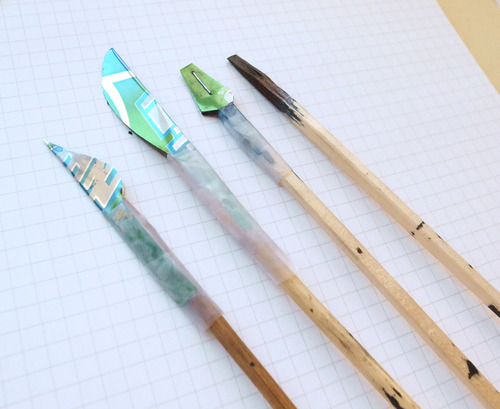
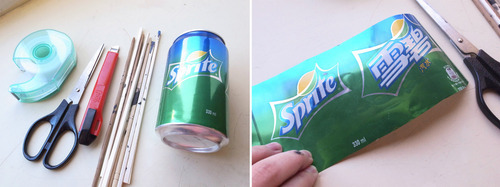
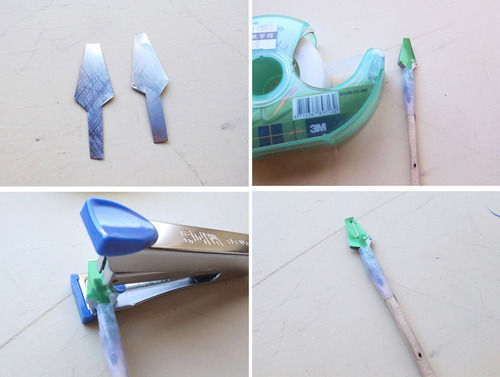
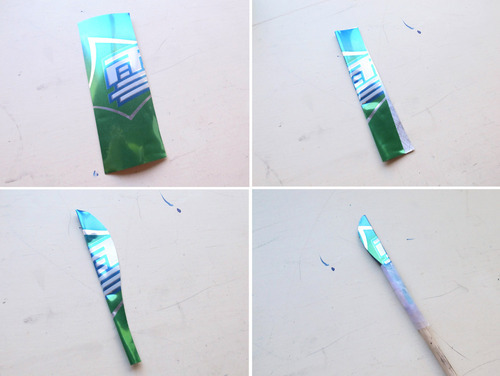
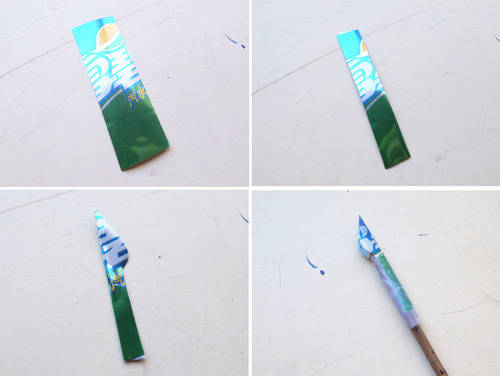
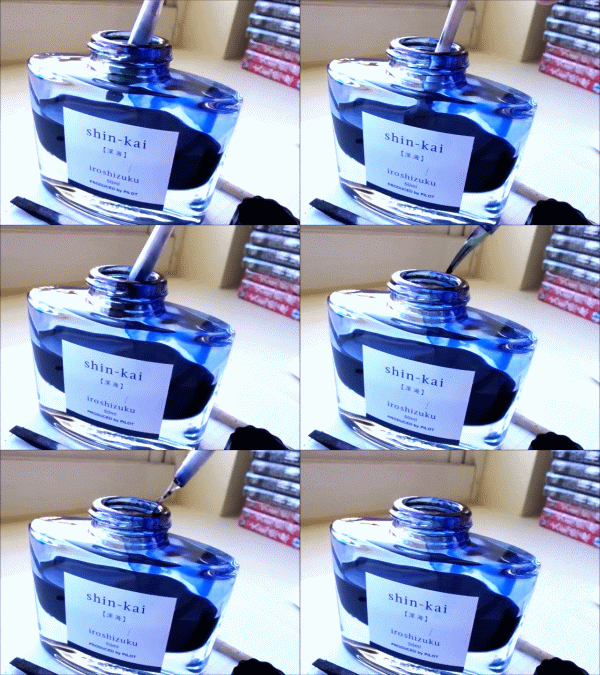
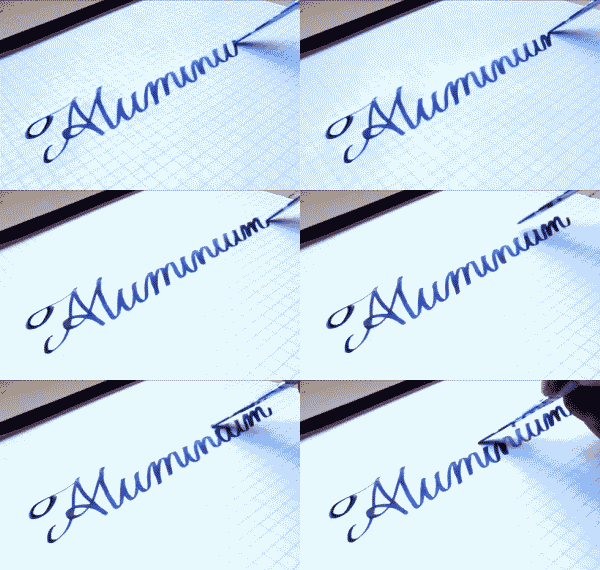
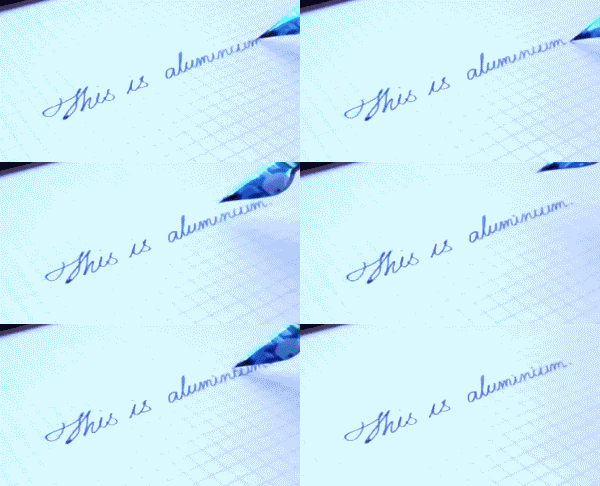
ARE YOU FUCKIN SERIOUS I’VE SPENT SHIT TONS OF MONEY ON CALLIGRAPHY PENS FOR ART AND YOU’RE TELLING ME I CAN MAKE MY OWN FOR LESS THAN 4 FRIGGEN DOLLARS??? THIS IS BULLSHIT MY ENTIRE ART LIFE IS A LIE