les miserables

OMG IT’S FINALLY DONE

My contribution for R Ship Week. Curiously, it also could be a contribution for Underappreciated Ladies week too! DOUBLE THE FUN (although not for any of the characters in this.)

Anyway:

Title: Stone
Rating: NC-17, probably
Fandom: Les Miserables (bookverse)
Pairing: Grantaire/Matelote
Notes: Most of the stuff about Medusa’s place in Greek mythology came from a really interesting Tumblr post which I have promptly lost.
Summary: In which Matelote attempts to smash the patriarchy, and then she and Grantaire invent the concept of the awkward one-night-stand several decades too early.

(more…)

Anonymous asked: would you share the ofpd thought?

xmcuallerdrake:

well, ages upon ages ago (a.k.a. probably last week or so)

sarah531 shared a headcanon that for a moment enjolras didn’t recognize grantaire and mistook him for an angel

and the thought sort of builds off of that.

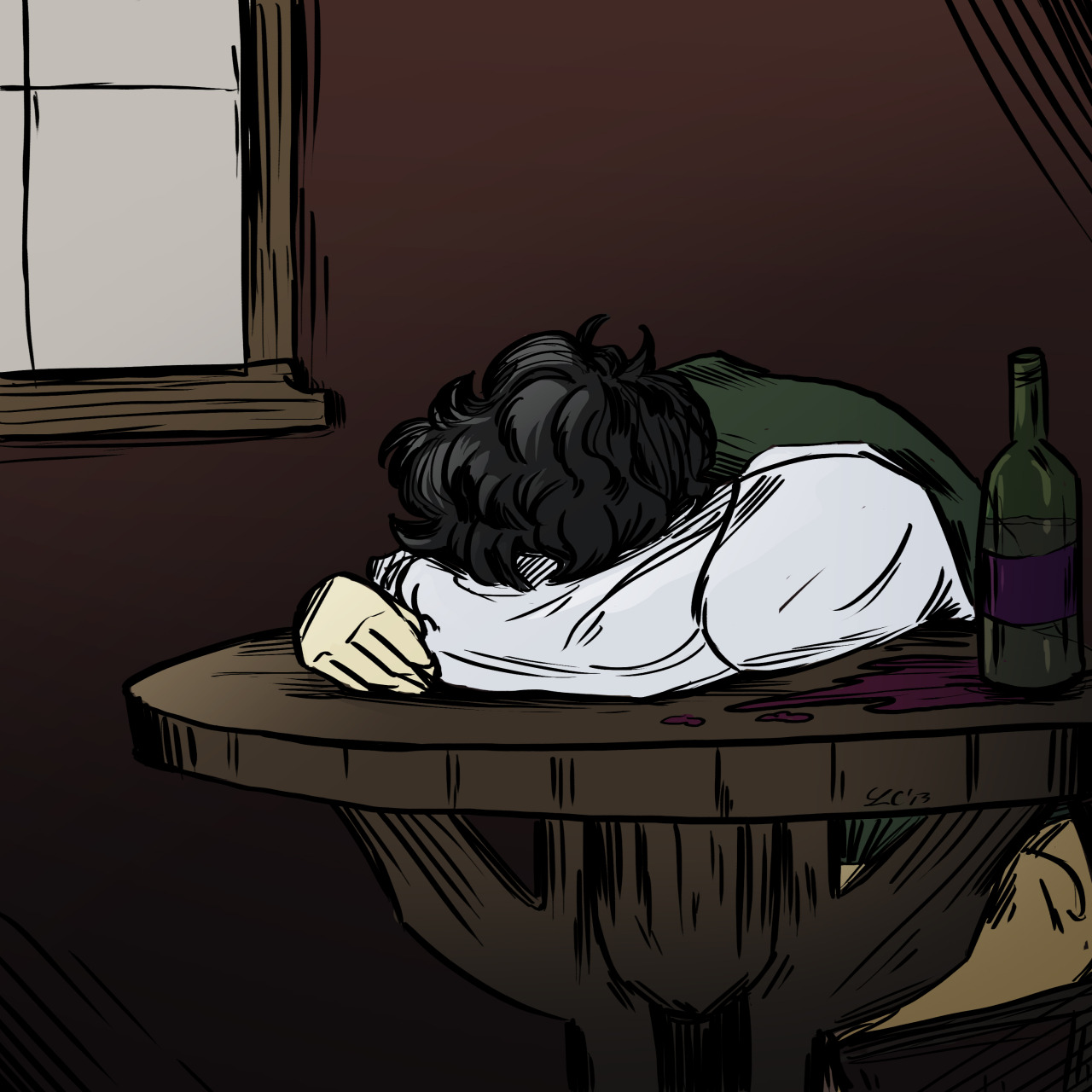
ok so you know how enjolras is marble and angelic and all that and he’s so beautiful that it gives the guard pause and that wakes grantaire up?  and you know how grantaire’s been unconscious since well before le cabuc?

and you know how that chapter could be considered enjolras’s fall from grace because it’s the time he kills someone, the moment he sacrifices his moral high ground and such for the sake of The Ideal Future?  it’s both the moment when he’s saint michael and the moment he falls from grace like lucifer

and grantaire isn’t awake to see that — he’s not awake to hear enjolras condemn himself for it, either; he’s not there and doesn’t know that enjolras has implicitly condemned himself to die for the cause.

well i imagine that they see each other as angels in that moment when their eyes meet over the shoulders of the guard — i imagine that grantaire makes eye contact with enjolras for a little instant before he cries out that he’s one of them.  i imagine that this is the moment of the transfiguration, the moment of revelation that makes this apocalypse and not armageddon.

and i think they see angels in it, i think that grantaire choosing to rise and die with enjolras redeems enjolras’s death and negates his self-condemnation.  grantaire doesn’t necessarily know the specifics of what happened, but the text says that he rose and knew what had been transpiring while he slept.  i think he knows — he has to — that enjolras has transgressed and he doesn’t care.

and of course the fact that grantaire can choose to die at enjolras’s side is grantaire’s sanctification.  this is the elevation of Love to its highest form, where it gives grantaire the ability to stand and act.  this is where he can embrace right action and through it access belief, because ultimately, belief is less important than what love can do and what love can make you do.

so i basically feel like in the press of hands, in the question, in the smile, there’s a prayer, but it’s not aimed at god but at each other.

and it’s a prayer of thanksgiving.


Les Amis de l’ABC MINIMALIST POSTERS! I love that kind of design, y’see, but I’ve never tried making any til now.

All made from free vectors I found on the internet. I tried to get a bit creative with them and not do anything I’d ever seen before. Dunno if I succeeded, but can you tell who’s who?

oilan:

Uuuuugh. I feel ya, Grantaire buddy.

I feel terrible for breaking my self-imposed rule of uploading new art every week, but I really need to study/finish my final projects/actually start working on my piece for the Miserable Holidays exchange. If any art gets uploaded at all in the next few weeks, it will be laughably rough study break doodles (see above). I’M BAD AT TIME MANAGEMENT, GUYS. :(

catsmagiccastle:

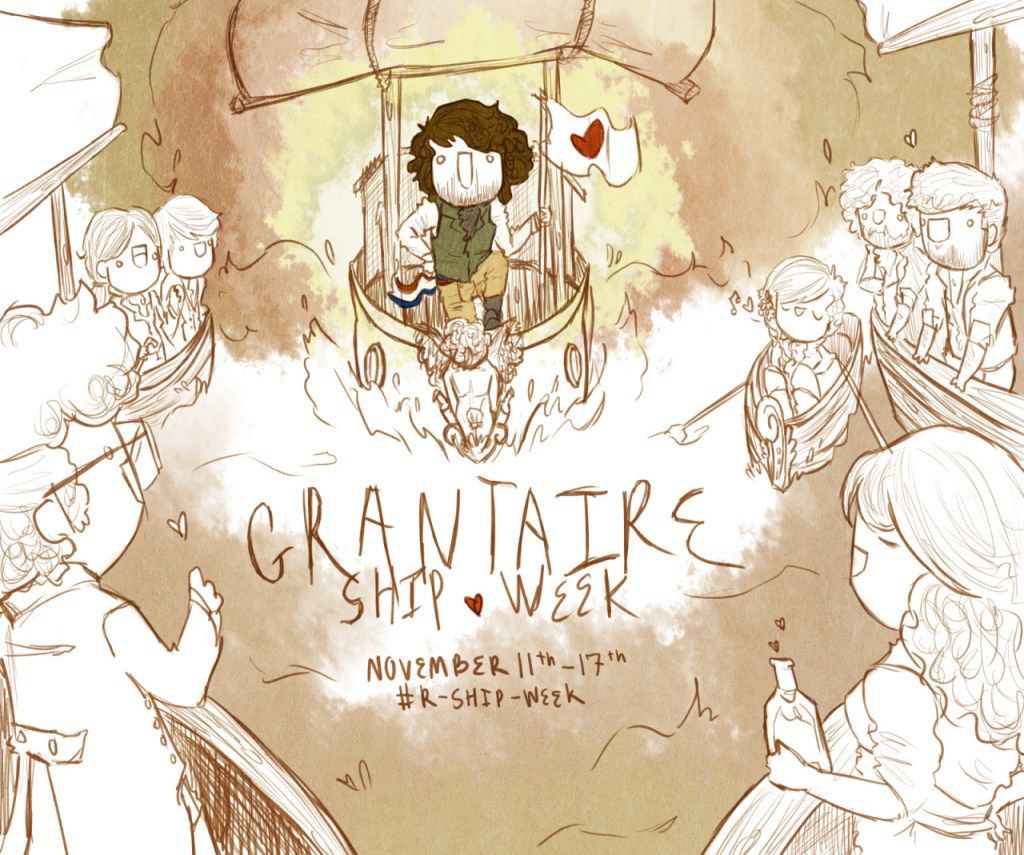
Banner for Grantaire Ship Week! To celebrate all the other really beautiful ships between Grantaire and characters other than Enjolras. You can read more about it here. I will be participating all week long!

Clockwise starting from Grantaire, we have Jehan, Feuilly, Bahorel, Eponine, Combeferre, Joly, and Bossuet. I covered most of the amis. We’ll just assume Courfeyrac is already hiding out in the Captains quarters. ahaha. It starts tomorrow, Happy Shipping! 

ladysaviours:

jean valjean telling dad jokes though

“hey cosette javert got red paint thrown on him at a rally he is now ja-rouge” “dad stop” “hey cosette it’s a shame marius never became a priest me and fantine could have asked marius to marry us” “DAD PLEASE” “hey cosette you know your friend eponine I bet you rate her an epo-ten if you know what I mean” “OMG DAD SHUT UP.”

broke vs poor in “les mis”

barricadeur:

so last week, i was having a conversation with a good friend of mine, and one of the topics that we got onto was the difference between being broke and being poor.

both of these phenomena have similar hallmarks: living paycheck to paycheck, lacking the money to save or splurge, feeling constantly stressed. but there’s a real fundamental difference between brokeness and poverty that remains important. the nation had an article that illustrated this distinction:

Post-recession, we often blur the distinction between the downwardly mobile and the permanent underclass—especially when wringing our hands over what will become of millennials, many of whom entered the job market just as it was weakest. Here’s an easy way to tell them apart: both are struggling, but the former has a safety net. One has the luxury of moving back home or tapping their college networks for a break; the other faces diminished earning power, a dramatically more precarious job market, and sometimes homelessness—often without any help from parents.

i think this is also a really useful distinction in the world of les mis — specifically, in comparing a character like marius to éponine.
marius is definitely broke. we see him without any money, doing the nineteenth-century equivalent of couch-surfing. he’s a penniless student for a long time, and even when he does get a job, it’s clear that he’s barely making ends meet. after all, he ends up living next door to the thénardiers. clearly, he’s down on his luck.

but marius also has resources that prevent him from ever really falling into true poverty: he has his health and an education that leaves him well suited to gainful employment, as well as his family connections. he chooses not to take money from his grandfather — which is a morally upstanding decision that makes total sense, given his family history, but is still a choice. indeed, there’s even a certain luxury in his brokeness: he doesn’t need to work to support anyone or worry about anyone else’s well-being (think of fantine).

in contrast, éponine lacks all of the invisible safeguards that marius possesses. she’s caught in a multi-generational trap of poverty that is very different from marius’s temporary situation, and we see that in everything from her ill health to her family. there’s no grandfather waiting in the wings to take éponine away from her misery, and even though she can read, there’s no chance that she could ever become a lawyer or translator like marius and rise above her station. her options in life are extremely limited, and remain so.

even though hugo himself calls marius both “indigent” and “poor” in the chapter titles, then, i think it’s important that we distinguish between marius’s problems — which again, are real and difficult and worthy of our empathy — and those of someone like éponine. today, i would say that marius is broke and éponine is poor. in a contemporary context, understanding the difference between class-bassed poverty and misfortune due to temporary circumstances is a key precondition to solving them. it doesn’t help to make college more affordable for people who are never going to be in a position to graduate high school. conversely, talking about new jobs the economy has created doesn’t help people who are too overqualified to be considered for those jobs.

so yeah….in the context of the novel, marius may be broke. but éponine (and others like her) is truly miserable. so last week, i was having a conversation with a good friend of mine, and one of the topics that we got onto was the difference between being broke and being poor.