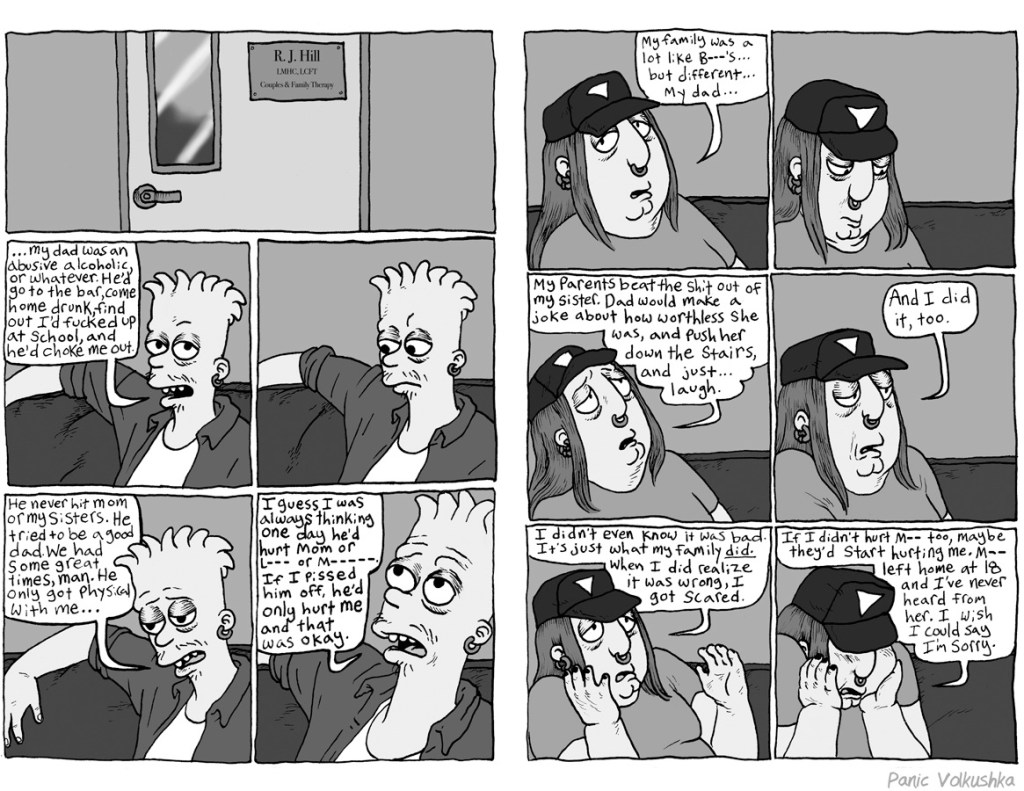
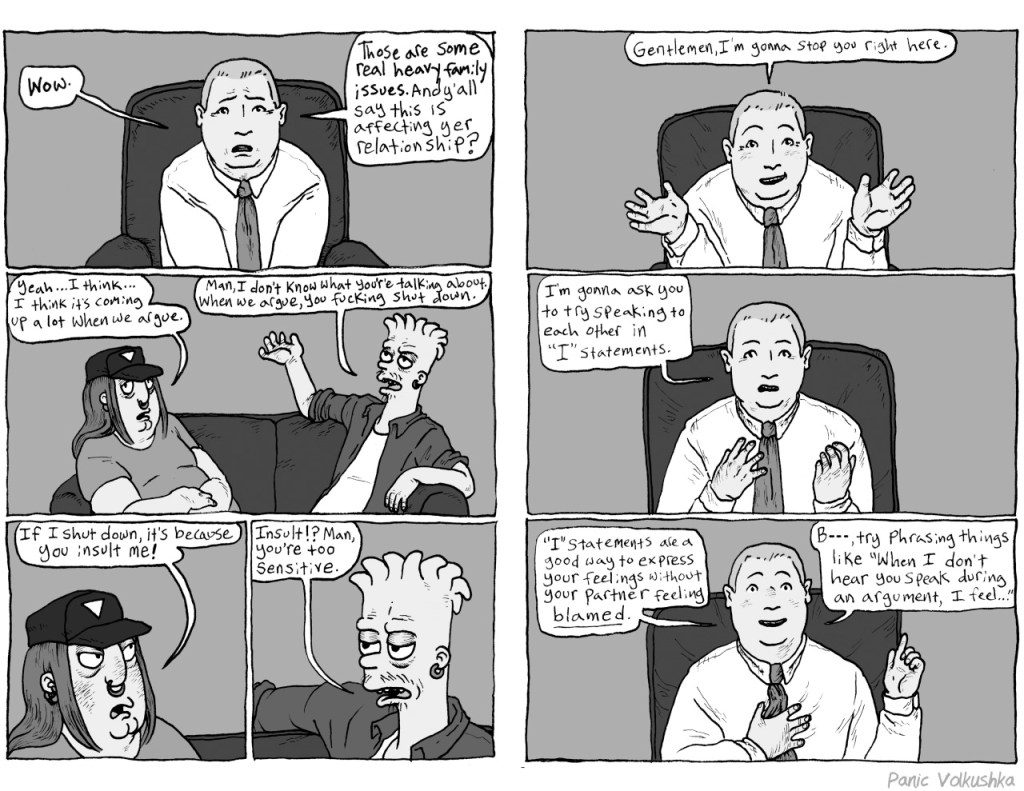
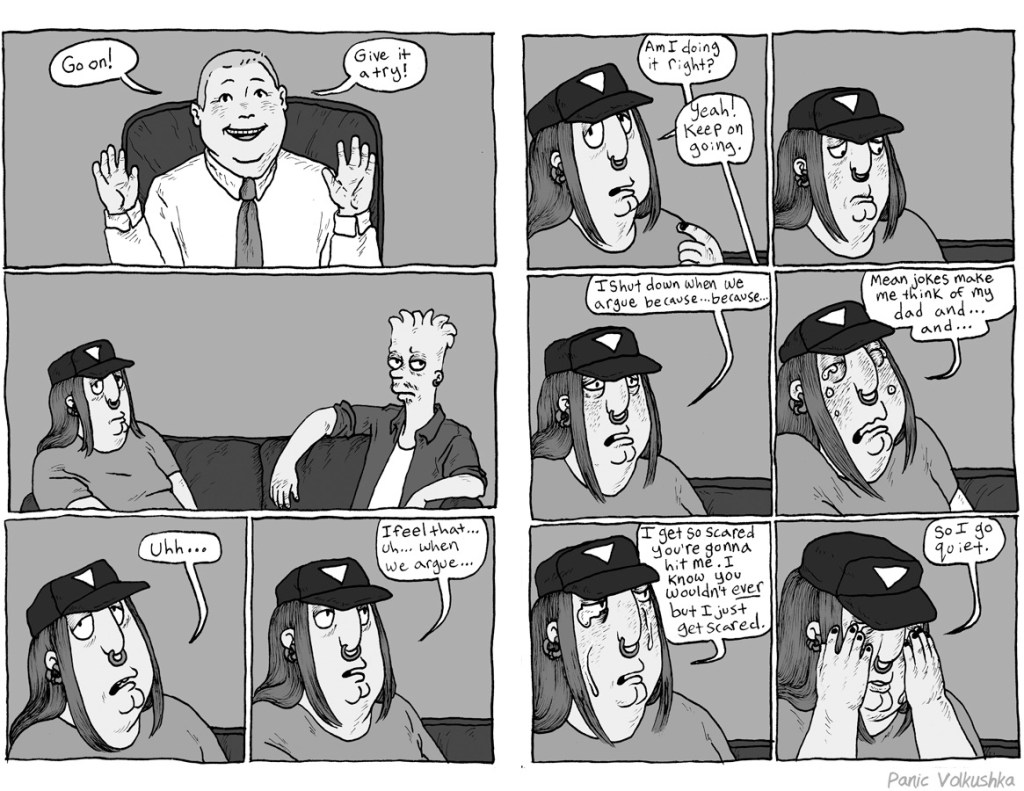
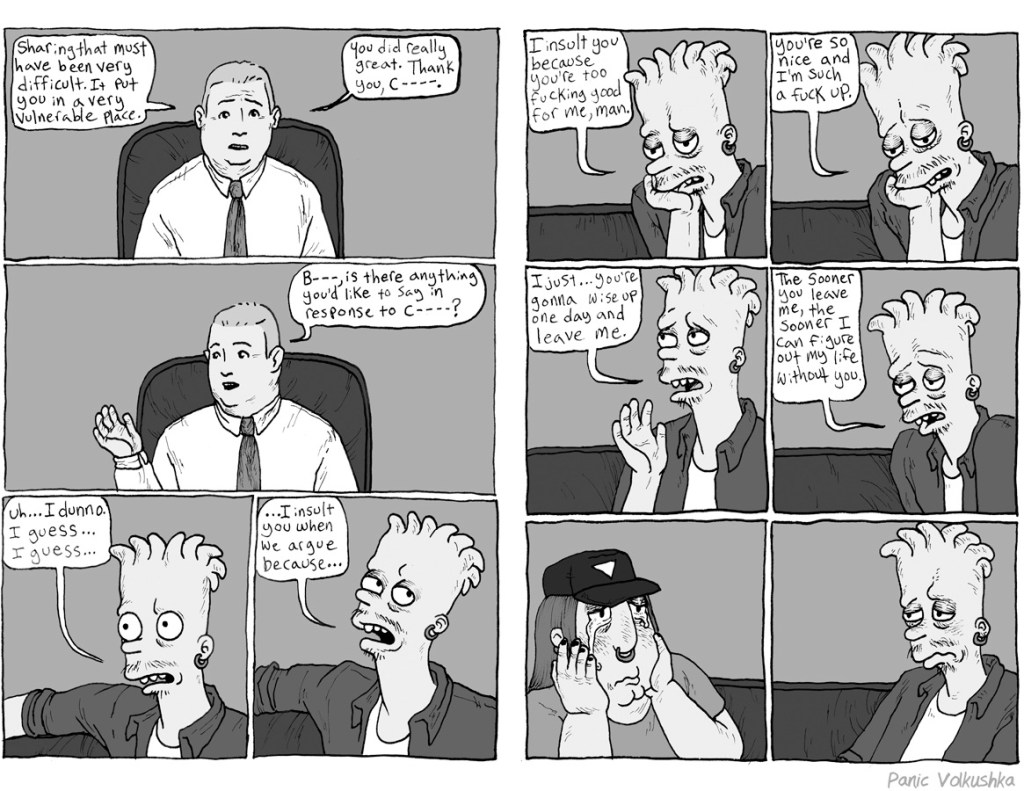
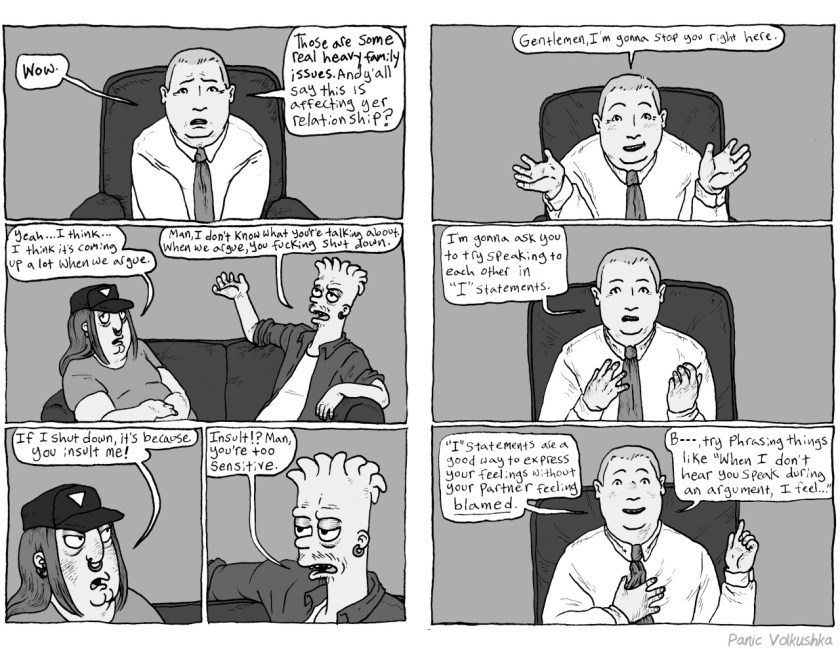
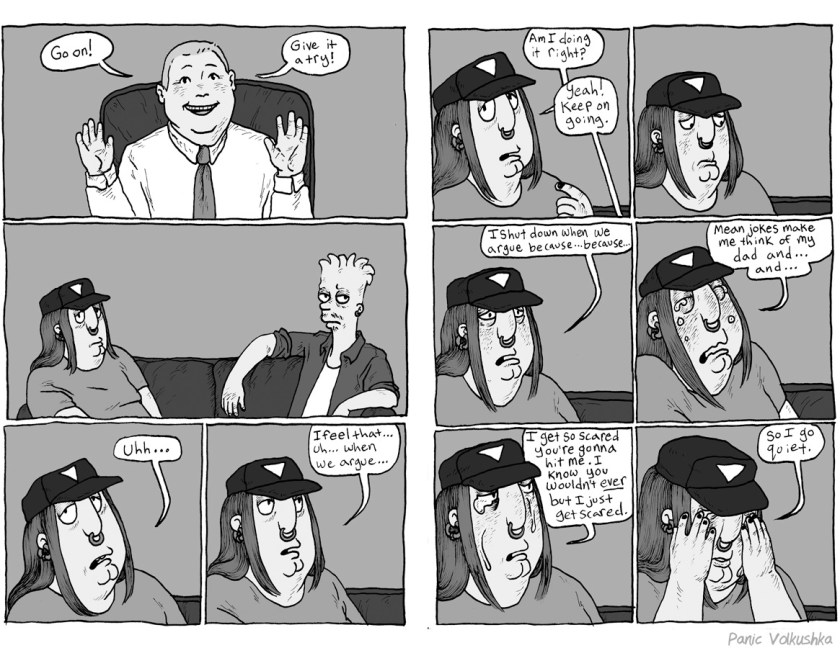
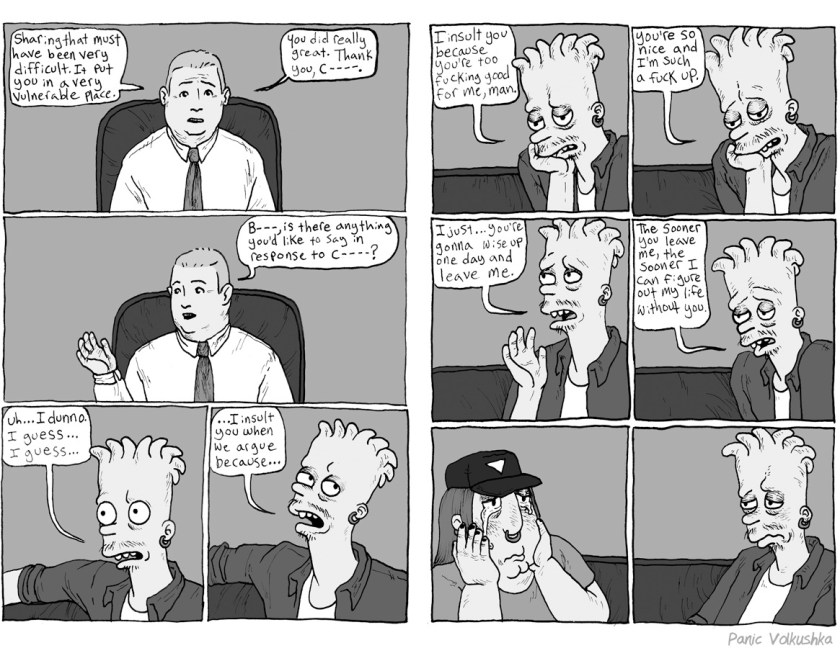
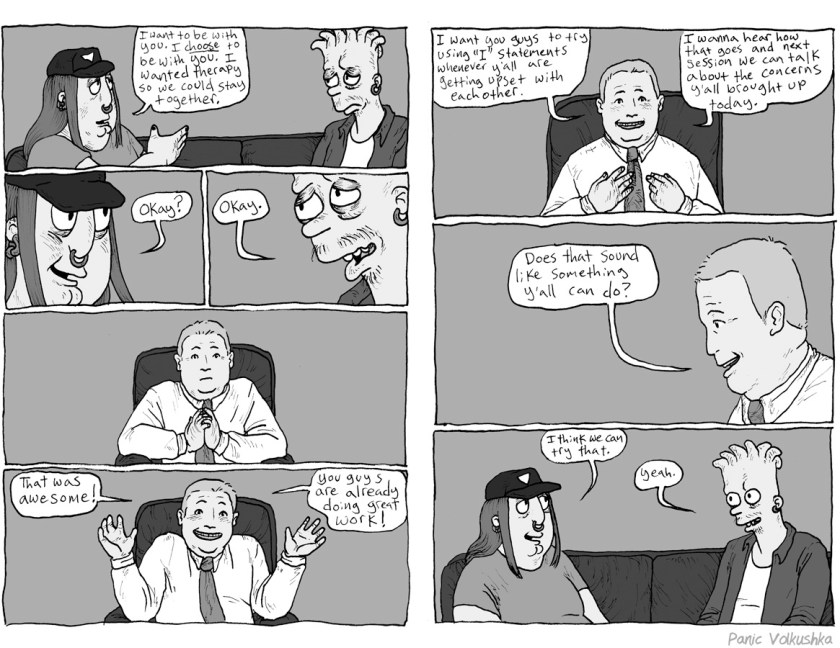
Clients’ names and personal information have been omitted to retain their privacy.
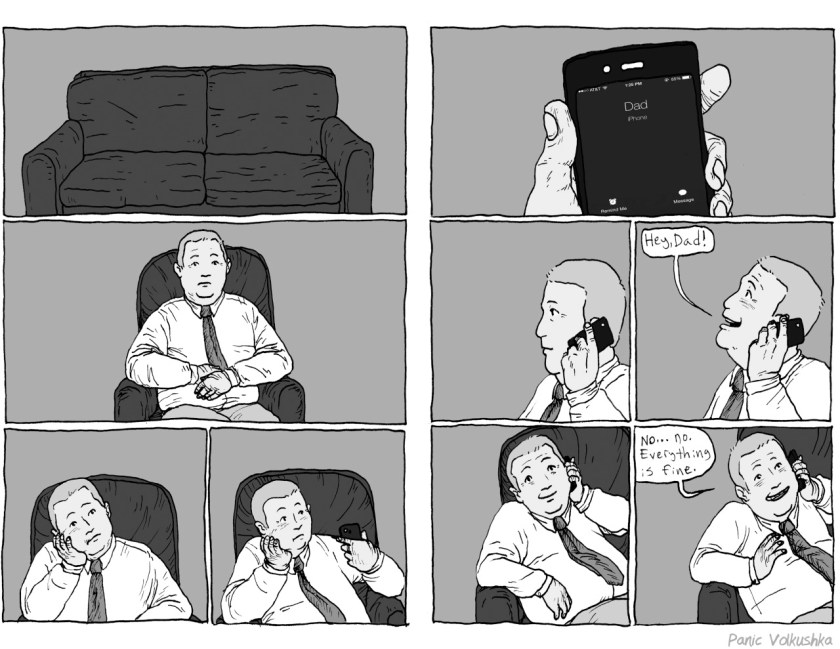
“That boy ain’t right.”
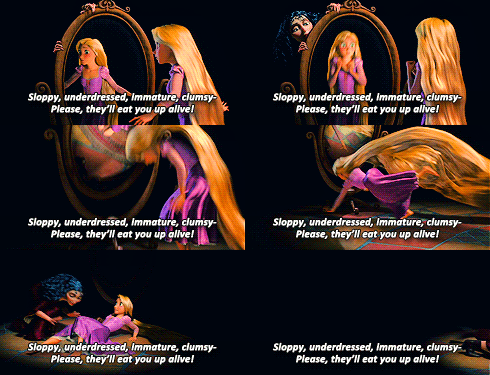
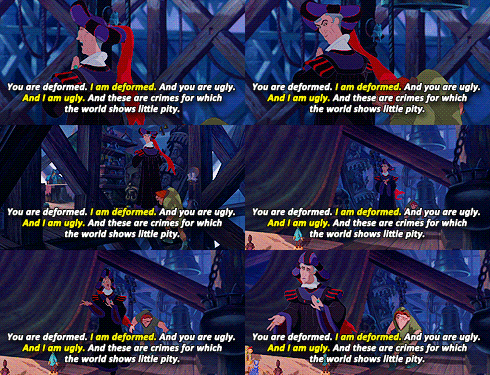
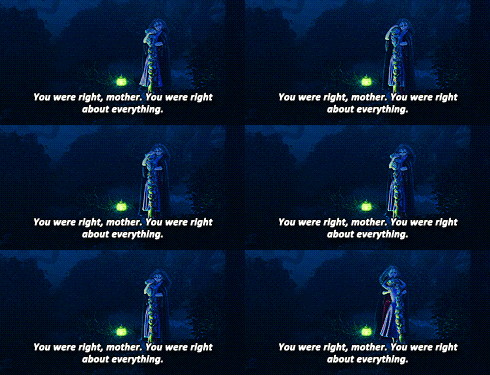
There’s more to abuse than hitting.
tbh, I was kinda waiting for someone to point this out and yes, you’re absolutely right. Abuse doesn’t have to be physical, it can be emotional and/or verbal.
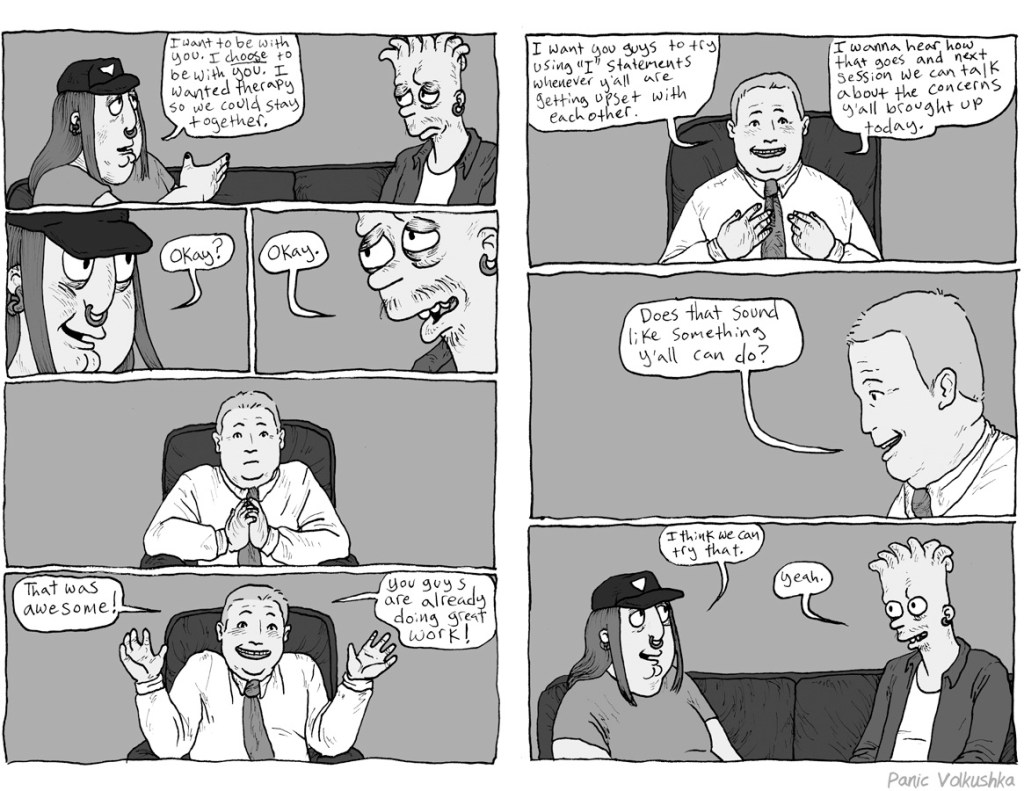
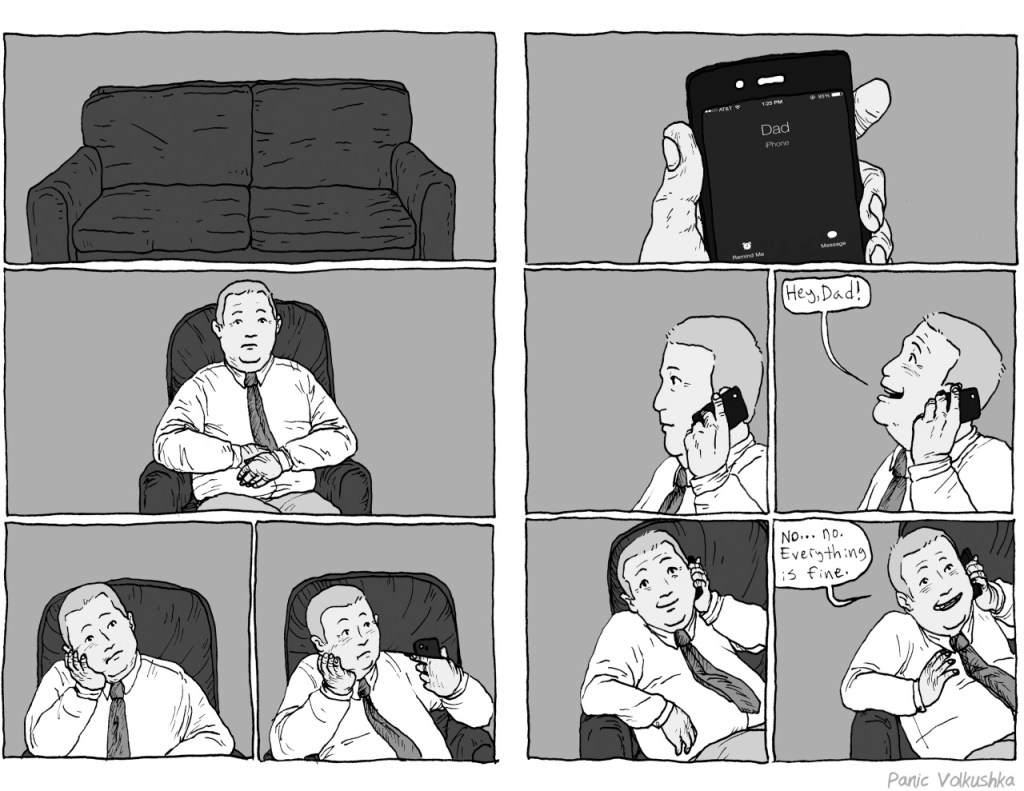
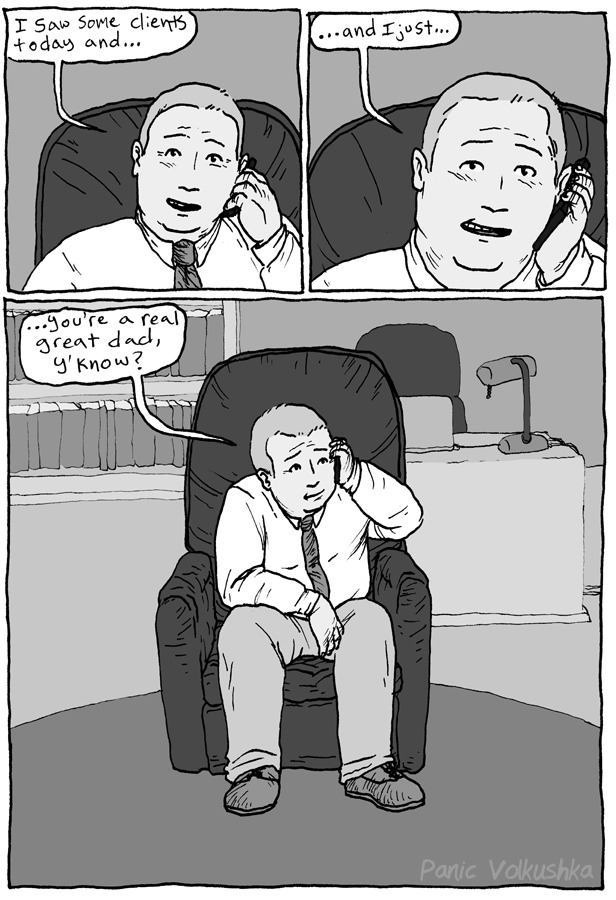
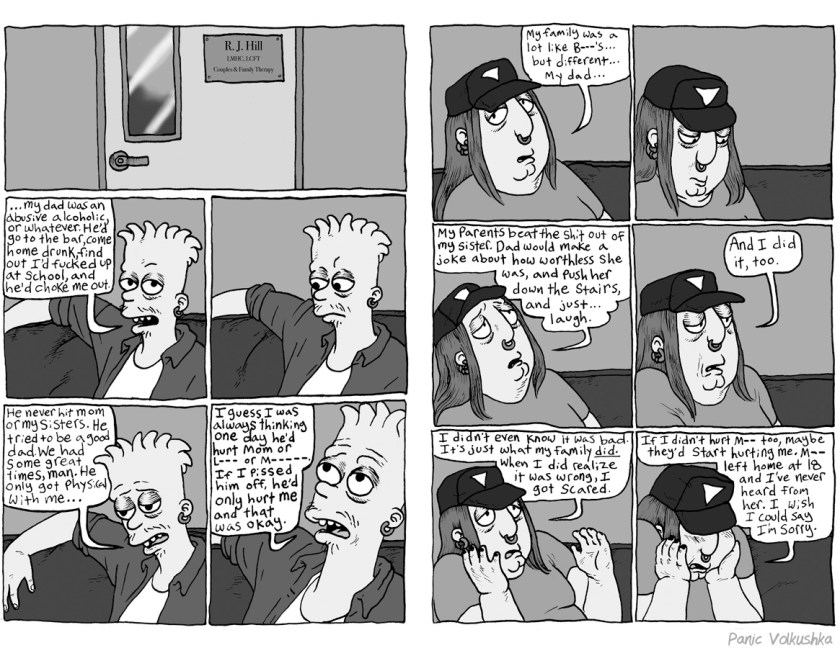
This comic came about because I‘d read several commentaries comparing Homer Simpson and Peter Griffin, specifically in regards to how they treat their daughters.
Almost everyone I know who takes the time to think critically about The Simpsons or Family Guy hones in on the fact that Peter physically and emotionally abuses Meg, whereas Homer is incompetent, neglectful, and absolutely does not understand Lisa – but he loves her and he tries.
In the commentary about how Peter and Homer treat their daughters, I didn’t really see anyone bring up the physical/emotional abuse of their sons.
To lay it out there – I loathe Family Guy. Fucking hate it.
I grew up watching The Simpsons and can have entire conversations purely through quoting the show. But as much as I love The Simpsons, I think the overall cultural attitude to corporal punishment (physical abuse) has changed enough that it’s time to retire the running “joke” of Homer choking Bart. It may have been a culturally acceptable joke ten years ago, but more and more research is showing seriously negative outcomes for kids that have experienced any form of physical punishment. We need to stop normalizing it.
As for King of the Hill, Hank and Peggy are hardly perfect parents and both have a tendency towards stifling Bobby’s more flamboyant and/or “feminine” behavior. But they both love Bobby; they have both, at different times during the show, been able to connect to Bobby through his various interests. While not perfect, they are a much healthier depiction of a family.
As a queer transgender dude who grew up in Texas and is totally unsuited for Southern concepts of masculinity, I have a real soft spot for King of the Hill and for Bobby. It’sa far more real and complex depiction of family, compared to the pointless cruelty of Family Guy or the lesser cruelties of The Simpsons.
Man I ADORED Michelle. I hope she later gets held up as as good a sci-fi heroine as Furiosa or Rey, because she really is that good.
Here’s my take on what happened to her after the end of the movie. I have no idea what to title this: suggestions are welcome
*
By the time Michelle reached Houston, she had forgotten the sound of her own voice. It had been a journey fraught with fear and danger – on more than one occasion she had buried herself deep down under the car seats and held her breath and heard her heart. Being unable to make a noise, being unable to sob or scream, had been an advantage then.
Let’s talk about Bucky Barnes, River Song, their decidedly similar narratives when it comes to bodily autonomy, agency and abuse, and the way fandom reacts to all that!
Both Bucky and River are forced to become ‘a weapon’ in the most horrific ways possible – Bucky is tortured and brainwashed; River was experimented on whilst in the womb and spent her childhood alone and terrified (”The spaceman’s here! It’s going to get
me! It’s going to eat me!”).
Due to the brainwashing/horrible medical abuse both suffered, both became the cold-blooded assassins that they never would have become without interference – Bucky working for HYDRA, River tasked by Madame Kovarian with killing the Doctor. Similar dehumanising language is used on both characters by their abusers –
“I made you what you are” / “[We’re] your owners.” / “We’ve been far
too thorough with your dear little head.” (Kovarian to River)
“You
are to be the new face of HYDRA.” “Wipe him and start over.” (Zola and Pierce to Bucky)
When finding themselves tasked with murdering someone they realized loved them (Steve for Bucky, the Doctor for River) it shifted the mindsets of these characters enough to make them flee – Bucky disappeared into the ether; River applied for the Luna University. Slowly they started to regain agency.
Neither character can really be classified as villainous, because of all the things they did they did none of them of their free will. And yet ’Bucky’s not a villain!’ has become a meme, added to gifsets and interviews, reiterated constantly, and River…doesn’t have that. Whenever there’s a ‘Look at Moffat’s villains, all dressed the same!/all older women!/all women!’ post, despite her stint of villainy lasting less than one episode she’s right in there, alongside Kovarian, with zero context given. I’ll grant that the writing may not help at all in that regard (I agree with whoever said ‘can we take the word psychopath away from Steven Moffat’) but basically –
River and Bucky are both characters who were abused and brainwashed and had their agency ripped right from them to make them ‘villains’, but Bucky gets a meme and a hundred gifsets of his broken face and a hundred corrections on any MCU post where he’s lumped in with the likes of Loki or (worse) Pierce, and River gets…well, River usually gets a screenshot taken of the time she was wearing an outfit similar to Kovarian’s for plot reasons, has that placed alongside a screenshot of Kovarian – the woman who abused and experimented on both her and her mother – and a witty caption along the lines of ‘but all of moffat’s villains are different guyz!’ placed over her. And try as I might –
I can’t imagine anyone doing the same thing with Bucky and his abuser.
Today our government passed a law which makes it illegal for medical practitioners to publish any reports on human rights abuses taking place in refugee detention centres.
It’s bad enough that our country imprisons asylum seekers, however now it is a crime with a two year jail sentence penalty to expose any mistreatment or abuse of any refugee in these detention centres.
These are places with children undergoing extreme child abuse, toddlers who are forced to live in a mix of shit and piss, where doctors arent even allowed to treat illness because the government refuses to supply “nonessential” drugs.
We’re literally considered the worst developed nation in the ENTIRE WORLD in terms of human rights violations and treatment of refugees and our governent’s solution isnt to fix the volations, but to make reporting these a crime.
ALL Australians should be ashamed today, and if you don’t think this law is a problem, fuck you
how can rowling tweet these two things one after the other with complete seriousness and no self awareness lmfao
Because she’s reiterated over and over again in interviews that Snape is no hero, no role model and his only redeeming quality is his bravery, whilst Draco still generally gets a free pass from fandom despite being an odious racist?
oh ok right, no hero and no role model mmmmmh. ok ok kinda weird then how she had harry name his god damn son after some asshole then if thats what she really thought. and she wrote draco towards the end as if he was becoming a better person, he didnt rat out harry when asked by death eaters who were obviously a threat to his life, he didn’t raise his children with the same terrible beliefs as his parents.
why are we supposed to acknowledge snapes redemption arc, a grown ass man who joined a terrorist organization of his own free will and abused children AFTER he “”turned good”“ and not acknowledge dracos, a freaking CHILD who grew up in a terrible environment but obviously realized how terrible it was towards the end. dracos not a good person and im not excusing anything he did but people relating to someone who grew up in an abusive brainwashing environment and learned to grow out of it being demonized and then at the same time constantly praising an abuser for being ~brave~ doesnt make any god damn sense to me
Her valuing ‘bravery’ above apparently all else weirds me out, as does the Albus Severus thing*, but I don’t think it’s anywhere near as clear-cut as (the paraphrased fandom view) ‘she hates Draco but romanticises Snape (and by default his abusive behaviour)’. She is an abuse survivor herself, after all.
*I like to think it’s JKR’s (rather too late) attempt to ‘redeem’ Slytherin house in the text, but I don’t know.
Memory of a Memory is such a good episode. Not even just because of the ending (where everyone joins in beating Marceline’s
awful ex Ash up) although that’s a reeeeally satisfying scene.
But my FAVOURITE THING about Memory of a Memory
is the really important lesson contained therein. Marceline doesn’t
decide to beat Ash up straight away, you see. She spends a fair amount
of time with him, because he seemed so nice (to the audience as well) at
first. And there’s a scene of him being the perfect boyfriend to her,
magic-ing up some flowers that say “I love you!” and so on.
But then there’s lines like the above, where you can see how Marceline –
an incredibly powerful vampire chick who can shapeshift into a monster
whenever she feels like it – is completely under the thumb of this guy.
Who is actually an abusive misogynistic arsehole who sells Marcy’s most
treasured possession and then wipes her memory of the resulting breakup.
Marceline, daughter of the Nightosphere, survivor of the Mushroom War,
ageless and mischievous vampire queen, acts totally out of character around Ash-
-and I think that’s a really good decision on the part of the writers? Because this episode showed that anyone
can fall into an abusive relationship. It’s not a thing
that ‘tough/strong/badass’ women are immune to, nor is it a character
flaw. And it’s not a character flaw if you don’t instantly twig onto
what’s happening, either. Finn and Jake clearly don’t think so at any point
during the episode and neither should the audience, neither should
anyone. It’s such a good lesson for kids to learn and it was executed so
well.
bugger off. mary jane had the BEST female character treatment out of all the marvel films, and natasha was royally screwed over in age of ultron.
physically beating bad guys up has nothing to do with being a strong character.
Well, being completely helpless in the face of danger and constantly getting kidnapped by super villains in every single movie in the series just so the hero has a pretty girl to save in the third act sure as hell has nothing to do with being one. And I’m kind of baffled that you would think it does, so I’m going to go ahead and assume that was sarcasm on your part.
*cracks knuckles* Okay, leaving Natasha out of the equation for a minute –
Being helpless in the face of danger isn’t remotely a bad thing, and I really wish people would stop equating ‘good female character’ with ‘strength’. I love characters who aren’t strong, who aren’t kickass, who don’t get to land the hit, etc etc. “How do they react when put in danger” should not be the be-all and end-all of who and what a female character is. (It’s not like it is for male characters, after all.) It’s like how this very good post says –
“I’d rather have works centering on Pepper’s kidnaping and forcible
injection of Extremis than another gifset of her fresh from the flames,
not because I want to romanticize her pain or devalue her strength but
because I’m wary of romanticizing her strength and devaluing her pain.
Pain is how we connect to characters. Their suffering and their mistakes
are what make them dynamic, and interacting with the difficulties of
these characters’ lives is what creates a vibrant fandom.“
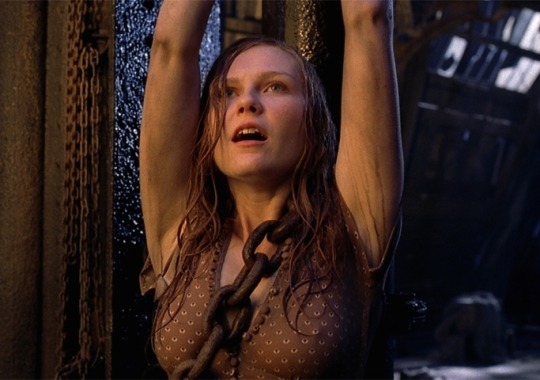
I absolutely adore Mary Jane’s character in the Spider-Man films (and the comics, although that’s not what we’re talking about here) and I’ve written before about, well, her pain. I feel Natasha’s pain as well, don’t get me wrong, but I’m far, far more likely to deal with the minor pains in life like being fired from jobs I badly want or hiding the ‘low’ jobs I don’t want than I am likely to face the horrors of being a reformed child assassin. Mary Jane’s not a Hero with a capital H, and sometimes she’s not even a very nice person, but she’s not punished for this.
(no, I don’t think the three separate kidnappings really count as punishment, as she emerges from them all unscathed, and doesn’t even seem that fazed by the third time, taking action to save Peter from Venom and managing pretty okay, by most non-superpowered standards, on her own. And by the end of the third movie, Harry is the one fridged for the sake of Peter’s character development, not her.)
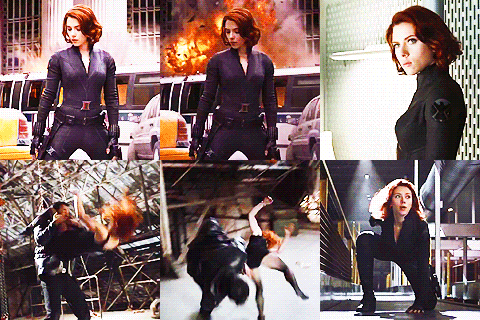
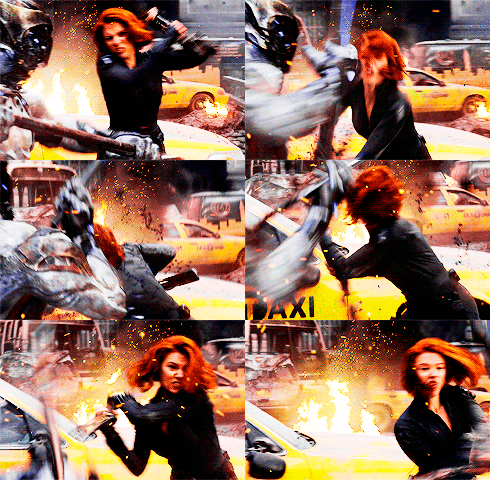
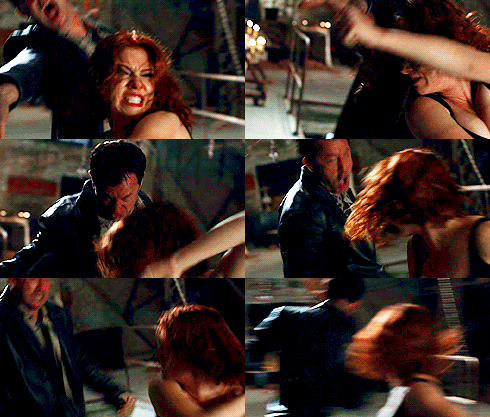
How the narrative of Spider-Man reacts to Mary Jane being treated misogynistically is interesting, too. When Norman Osborn first leers at MJ’s chest when he meets her and then calls her a gold-digger in front of everyone, (’You think a girl like that’s sniffing around because she likes your personality?’) we’re supposed to empathize with her as she storms off almost in tears. And here’s a very key point on where MJ and Natasha differ: Natasha is also treated misogynistically – Loki calls her a mewling quim, those dudes at the beginning of Avengers call her just a pretty face, etc etc – but whenever that happens she turns the tables on them, defeats them, beats them up. And that’s good, honestly – displays of female power against sexism are always good –
– but not everyone can live up to that standard. And that’s also fine. All MJ can do is yell at the men who let her down, or try her hardest not to let the abuse she suffered as a child affect her life and career, or drop a concrete block on Venom’s head just as he starts talking about her and Gwen Stacy like they’re the property of men. (Natasha would applaud that action, I am sure.)
In other words, yes, Mary Jane needs to be saved a lot. Going from a purely Watsonian perspective here – her life and the people she hangs out with put her in a lot of danger. She’s not kickass, she’s not powerful, and (here’s the kicker) she’s exclusively a victim of men. Her father is seen emotionally abusing her, and even two movies later this is seen to have had a huge affect on her life. (As it should, because that’s how it works in real life.) Norman/Green Goblin kidnaps her to get to Peter and taunts him about how he’ll kill her ‘nice and slow’, because (as we’ve already established) movieverse Norman is a huge misogynist. Eddie/Venom also kidnaps her for misogynistic reasons – he thinks that because Peter ‘stole’ Gwen from him (Gwen being a woman who actually has no interest in either of them) murdering Peter’s own girlfriend in front of him is an appropriate revenge. (The only supervillain who doesn’t really fall into this pattern is Doc Ock, and it’s probably not a coincidence that’s he’s the most sympathetically treated.) MJ’s also a victim of Peter in the third movie, when he gets possessed by the Venom symbothingy and shoves her down to the floor.
Actually, yeah, you know what? MJ’s a victim. Even without the supervillains around, she’d still be a victim. Her father abused her, Flash Thompson was a jerk to her, Norman (in his regular non-supervillain persona) is both sexist and classist to her, even Peter isn’t a model of good behaviour to her either. (It’s not for nothing that she calls him out for not letting her make her own choices.) She’s a victim, victim, victim. And yet by the end of the series, she’s still standing, still swinging, still singing even.
Natasha and MJ are both victims, but just because Natasha was granted the power to defeat her oppressors doesn’t make MJ any less of a character for not having that power. Whirling this back around to the beginning again, being helpless in the face of danger (as most of us are) is – well, it can be a really important thing to show a woman being. Because not all of us will ever be able to respond to misogynists/danger/supervillains with strength, and for obvious reasons it’s very important that a woman in real life isn’t expected to do that.
Being a victim and coming out of it stronger is a good narrative. But being a victim and coming out of it just okay is a good narrative too. If someone’s saying one’s inherently better than the other, what’s that saying about how we actually perceive female strength?
I’m kind of baffled, etc etc. Also, Natasha would have loved Mary Jane.