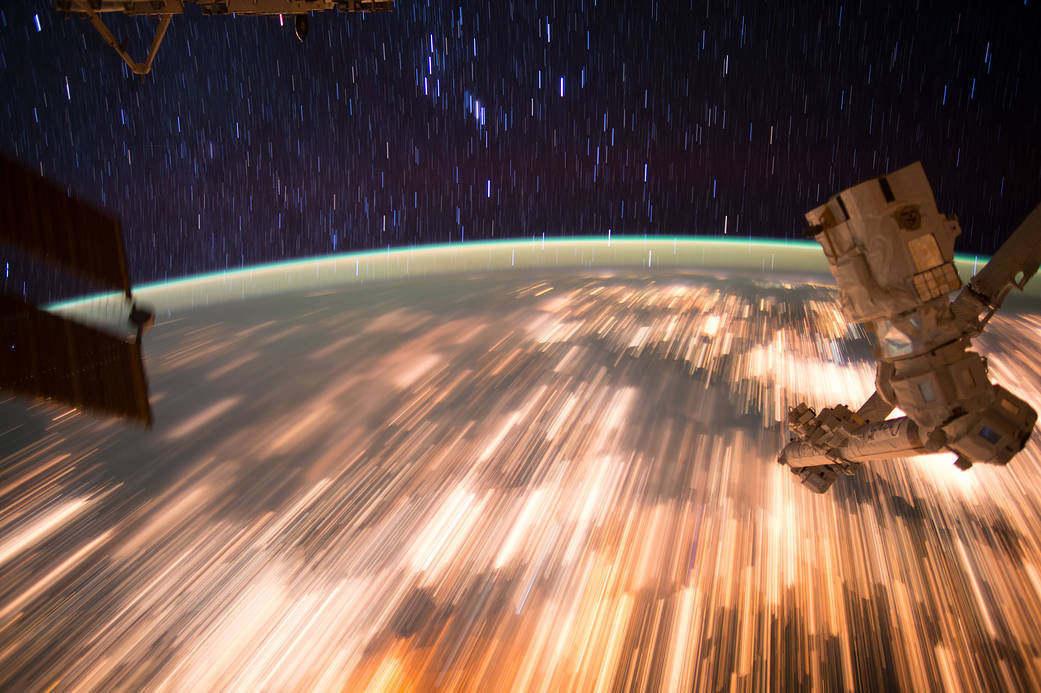
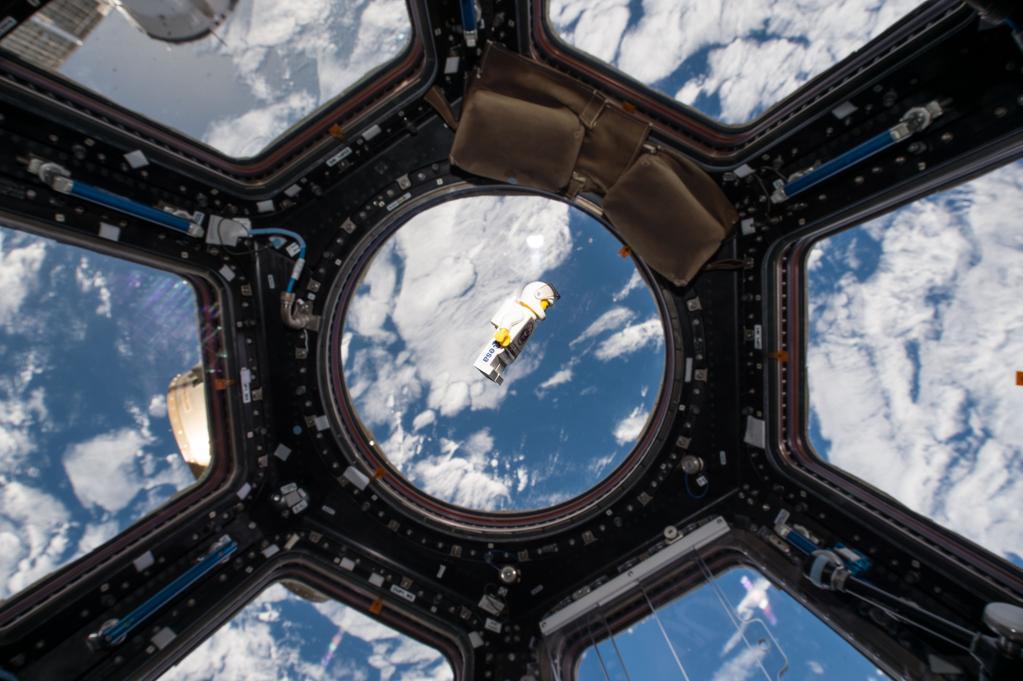
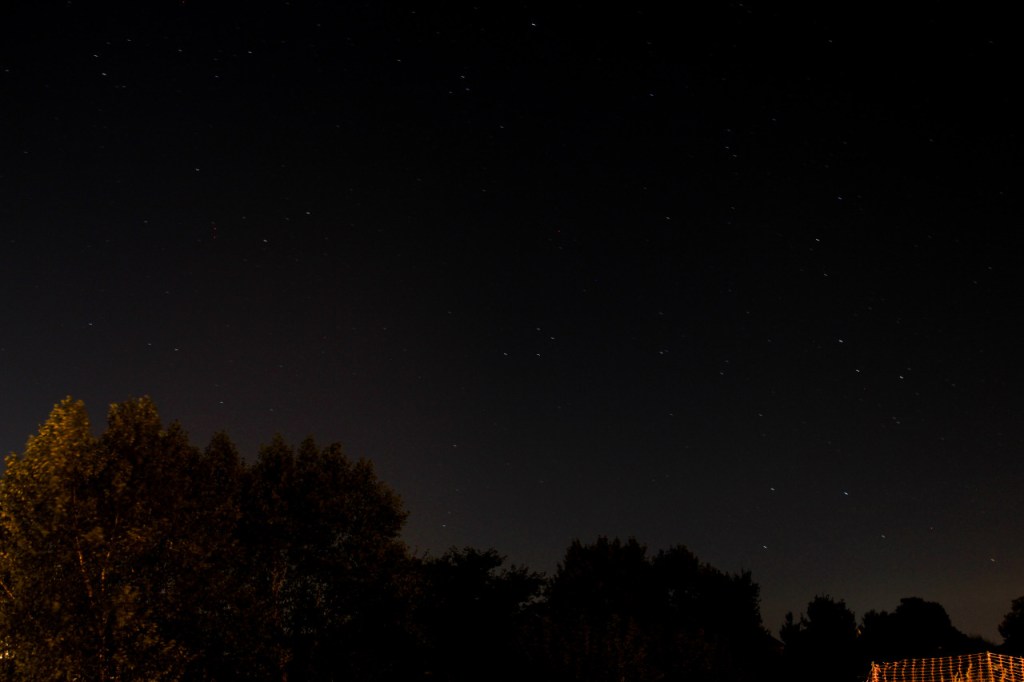
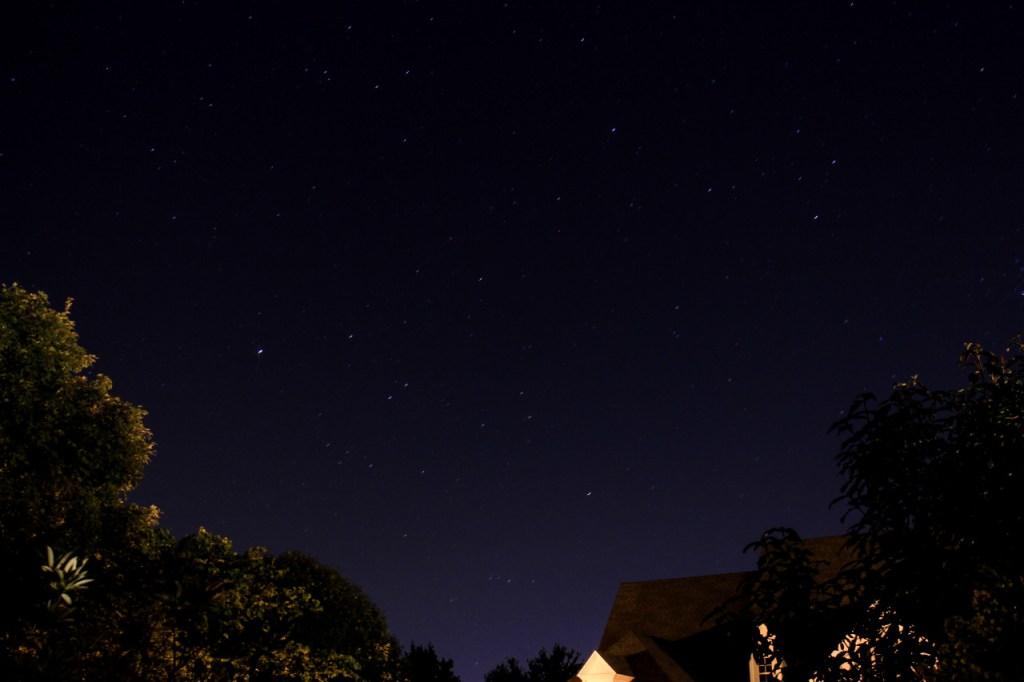
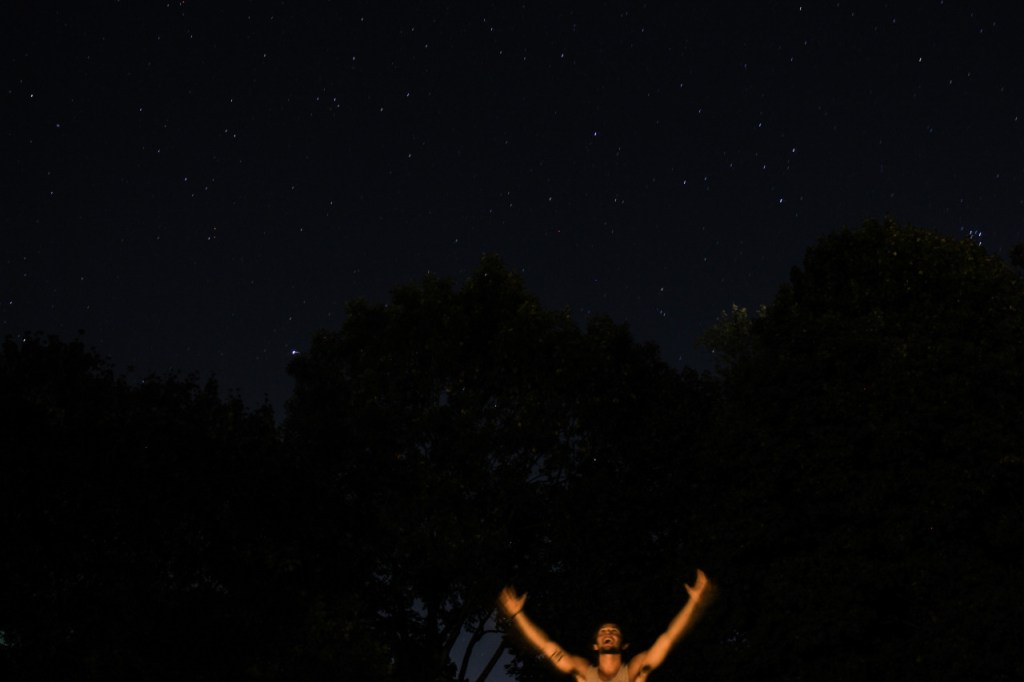
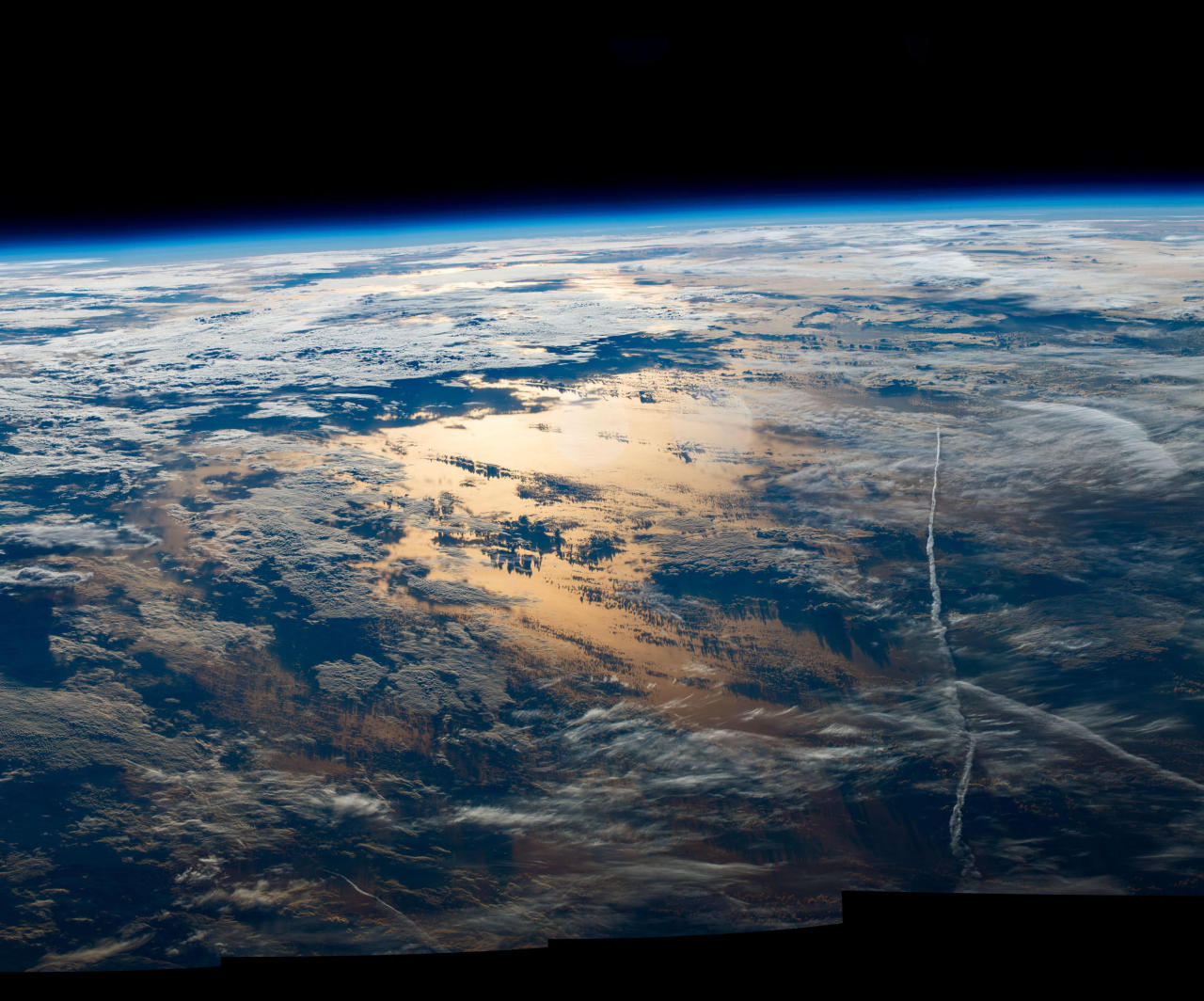
Astronauts on the International Space Station captured a series of incredible star trail images on Oct. 3, 2016, as they orbited at 17,500 miles per hour. The station orbits the Earth every 90 minutes, and astronauts aboard see an average of 16 sunrises and sunsets every 24 hours.
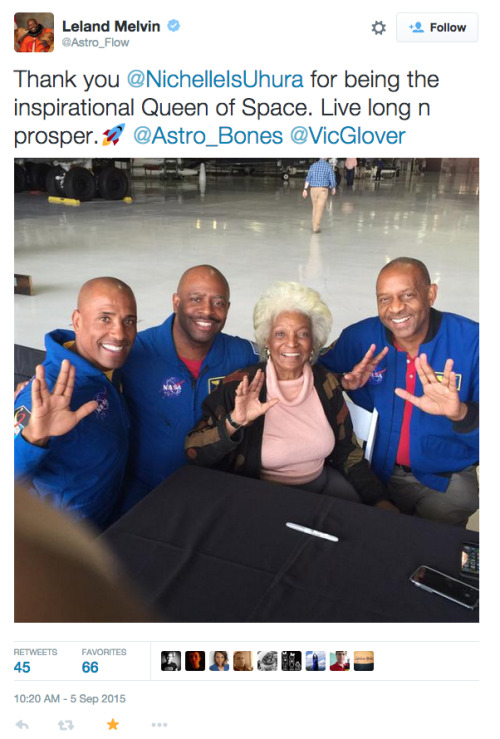
Everyone should know, in the 70s Nichelle Nichols went to NASA and asked why there weren’t black astronauts in the pipeline, and they said, “Come recruit for us.” And she did.
“From the late 1970’s until the late 1980’s, NASA employed Nichelle
Nichols to recruit new astronaut candidates. Many of her new recruits
were women or members of racial and ethnic minorities, including Guion
Bluford (the first African-American astronaut), Sally Ride (the first
female American astronaut), Judith Resnik (one of the original set of
female astronauts, who perished during the launch of the Challenger on
January 28, 1986), and Ronald McNair (the second African-American
astronaut, and another victim of the Challenger accident).“ (x)
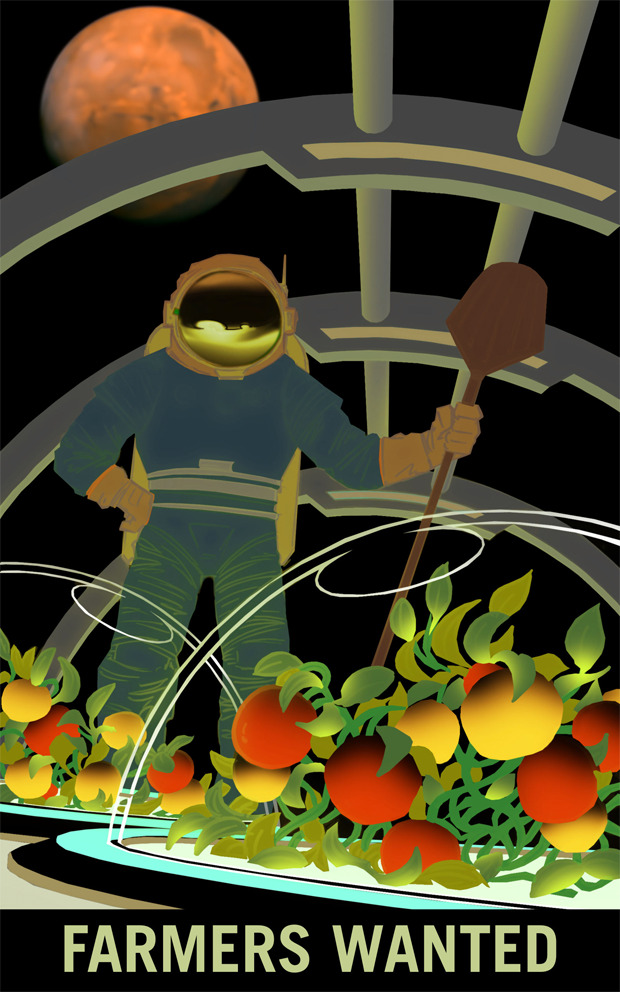
People can’t anticipate how much they’ll miss the natural world until they are deprived of it. I have read about submarine crewmen who haunt the sonar room, listening to whale songs and colonies of snapping shrimp. Submarine captains dispense “periscope liberty” – a chance to gaze at clouds and birds and coastlines – and remind themselves that the natural world still exists. I once met a man who told me that after landing in Christchurch, New Zealand, after a winter at the South Pole research station, he and his companions spent a couple of days just wandering around staring in awe at flowers and trees. At one point, one of them spotted a woman pushing a stroller. “A baby!” he shouted, and they all rushed across the street to see. The woman turned the stroller and ran. Nothing tops space as a barren, unnatural environment. Astronauts who had no prior interest in gardening spend hours tending experimental greenhouses. “They are our love,” said cosmonaut Vladislav Volkov of the tiny flax plants – with which they shared the confines of Salyut 1, the first Soviet space station. At least in orbit, you can look out the window and see the natural world below. On a Mars mission, once astronauts lose sight of Earth, they’ll be nothing to see outside the window. “You’ll be bathed in permanent sunlight, so you won’t eve see any stars,” astronaut Andy Thomas explained to me. “All you’ll see is black.”