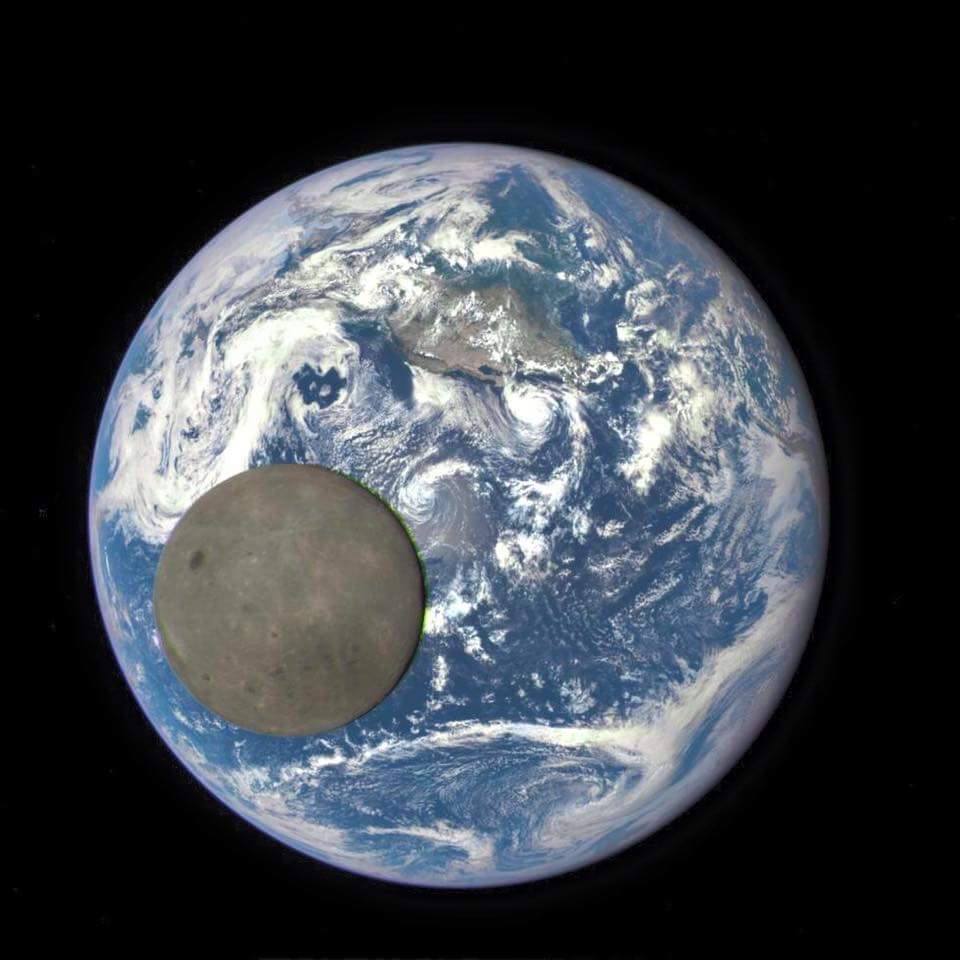
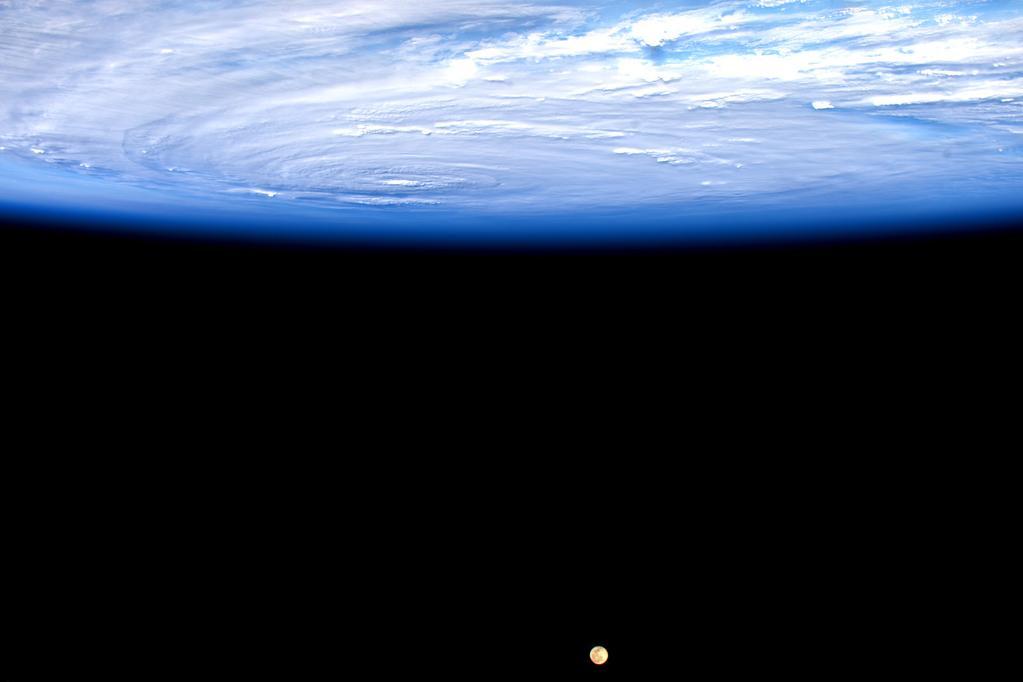
The moon passed between NASA’s Deep Space Climate Observatory and the Earth, allowing the satellite to capture this rare image of the moon’s far side in full sunlight. As the moon is tidally locked to the Earth and doesn’t rotate, we only ever see the one face from the Earth. Awesome shot!
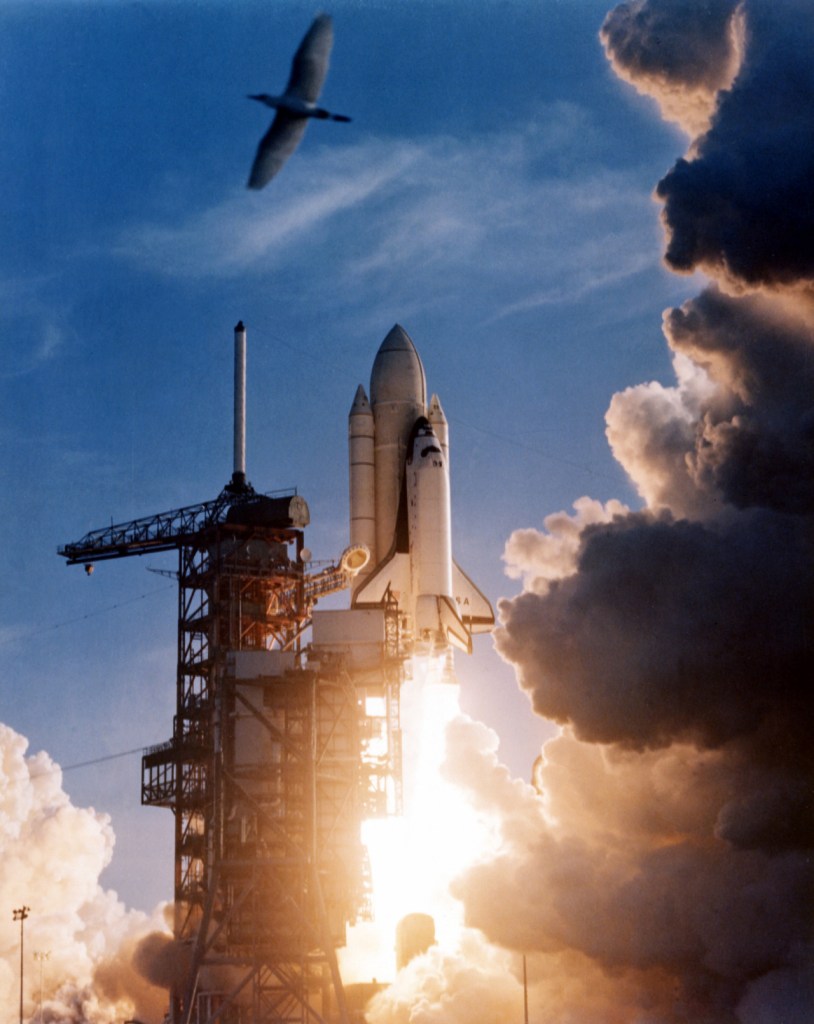
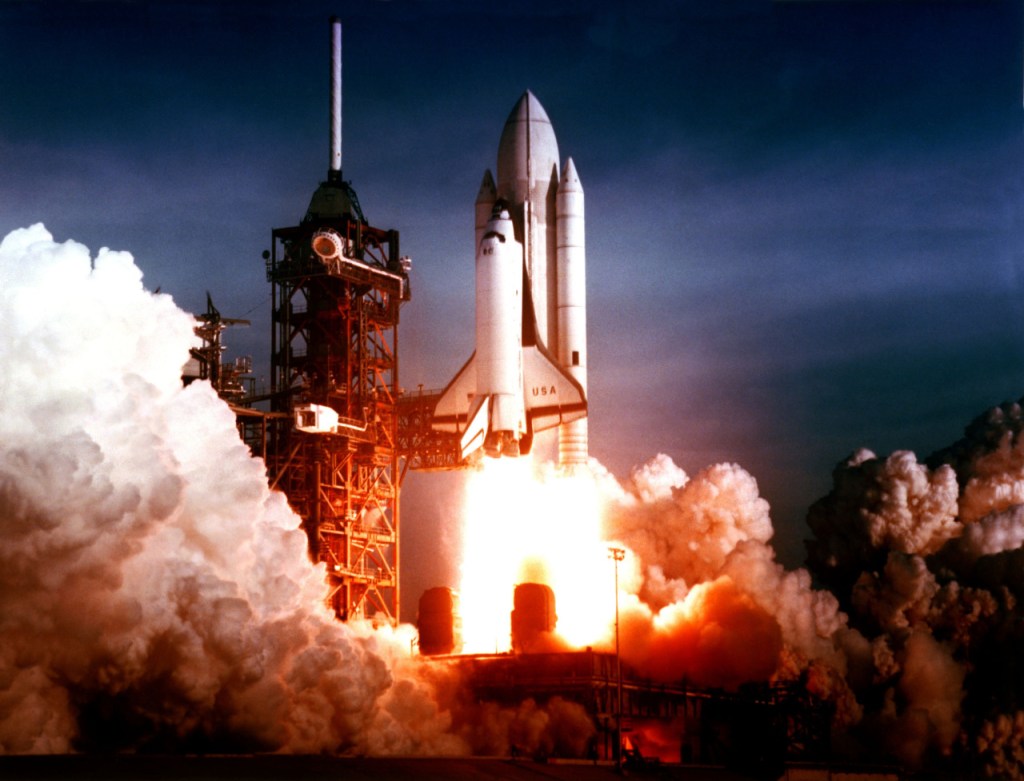
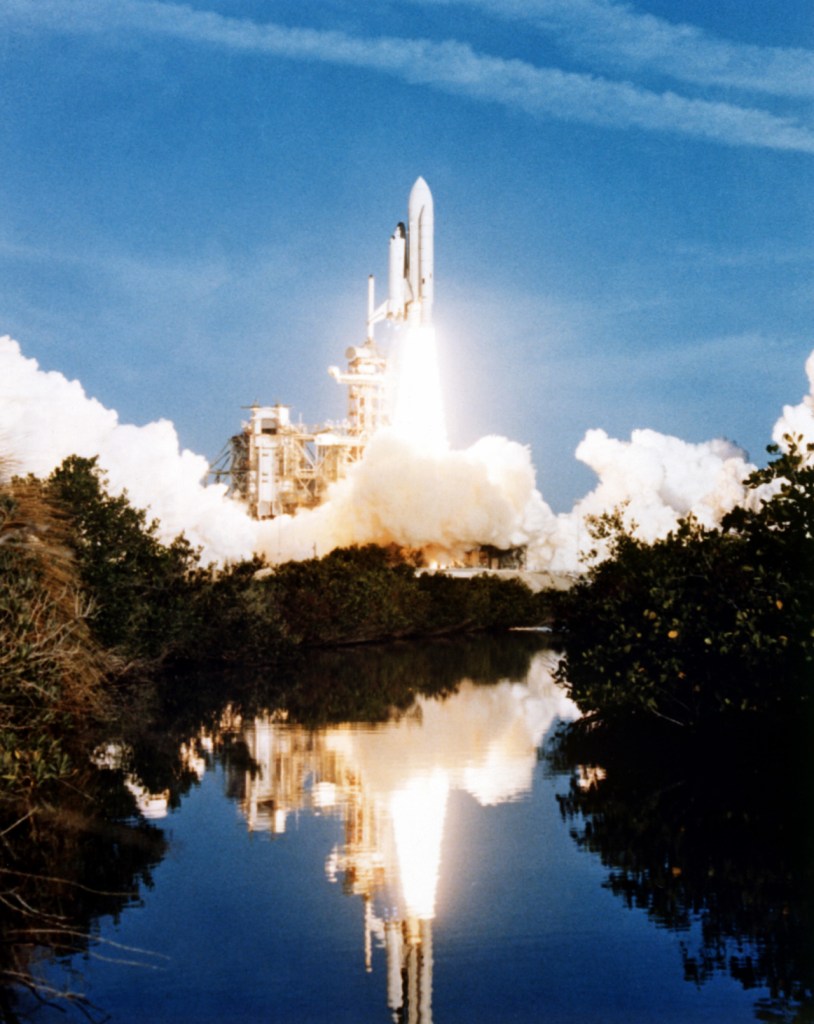
STS-1: The First Space Shuttle Mission, April 12, 1981
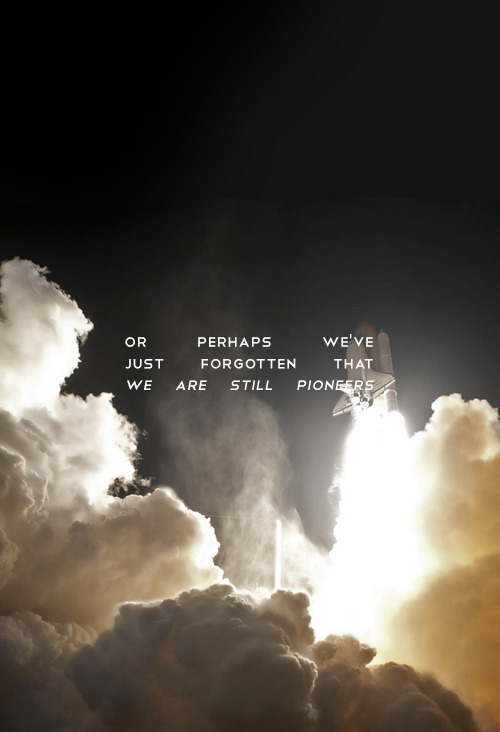
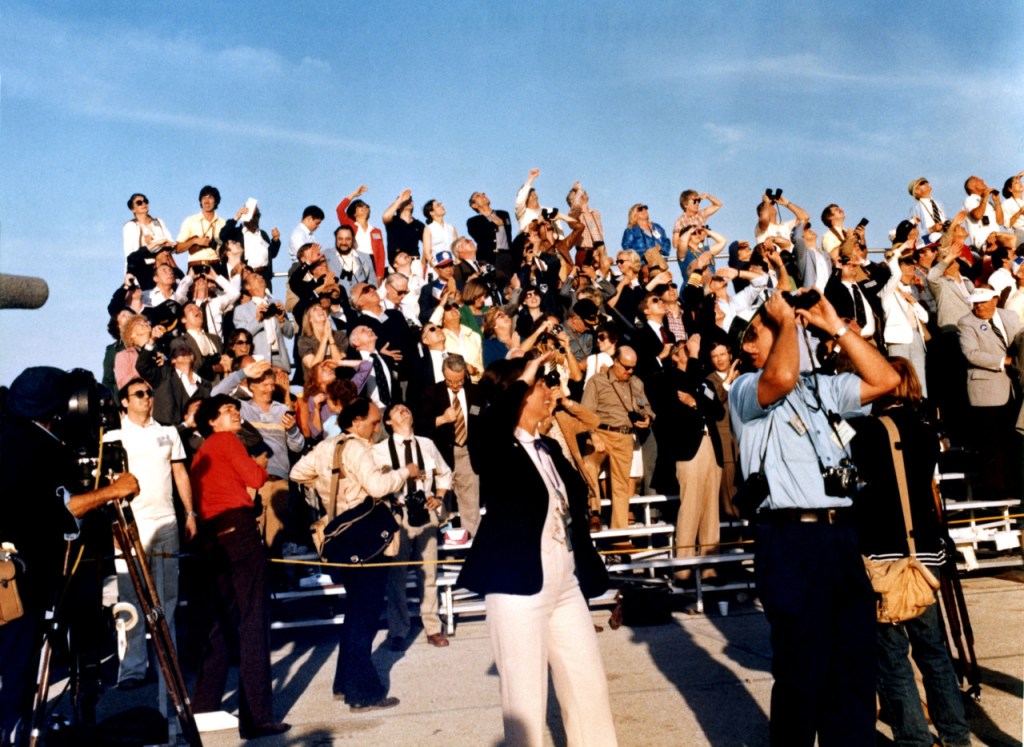
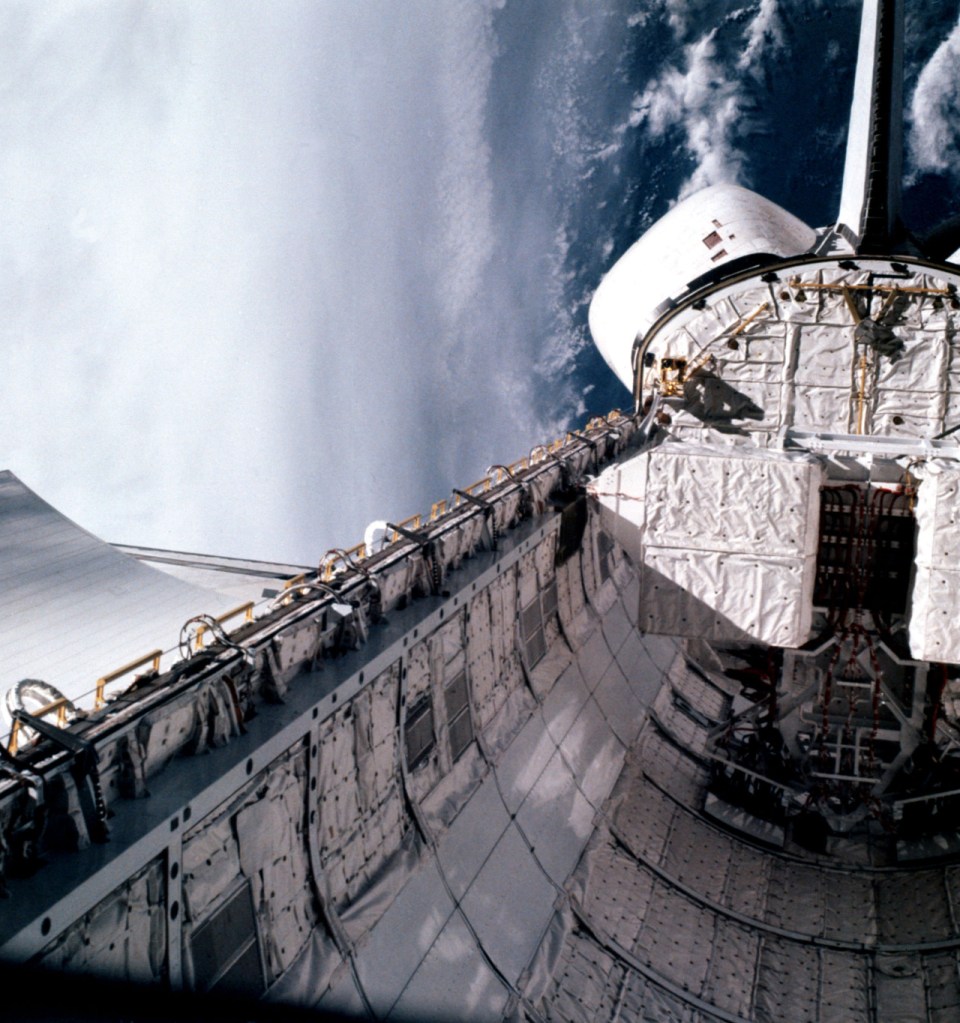
Thirty-five years ago on April 12, 1981, the Space Shuttle Orbiter Columbia launched as part of STS-1, the first Space Shuttle mission, with the crew consisting of mission commander John Young and pilot Robert Crippen. It was NASA’s first crewed space flight since the joint Apollo-Soyuz mission of 1975.
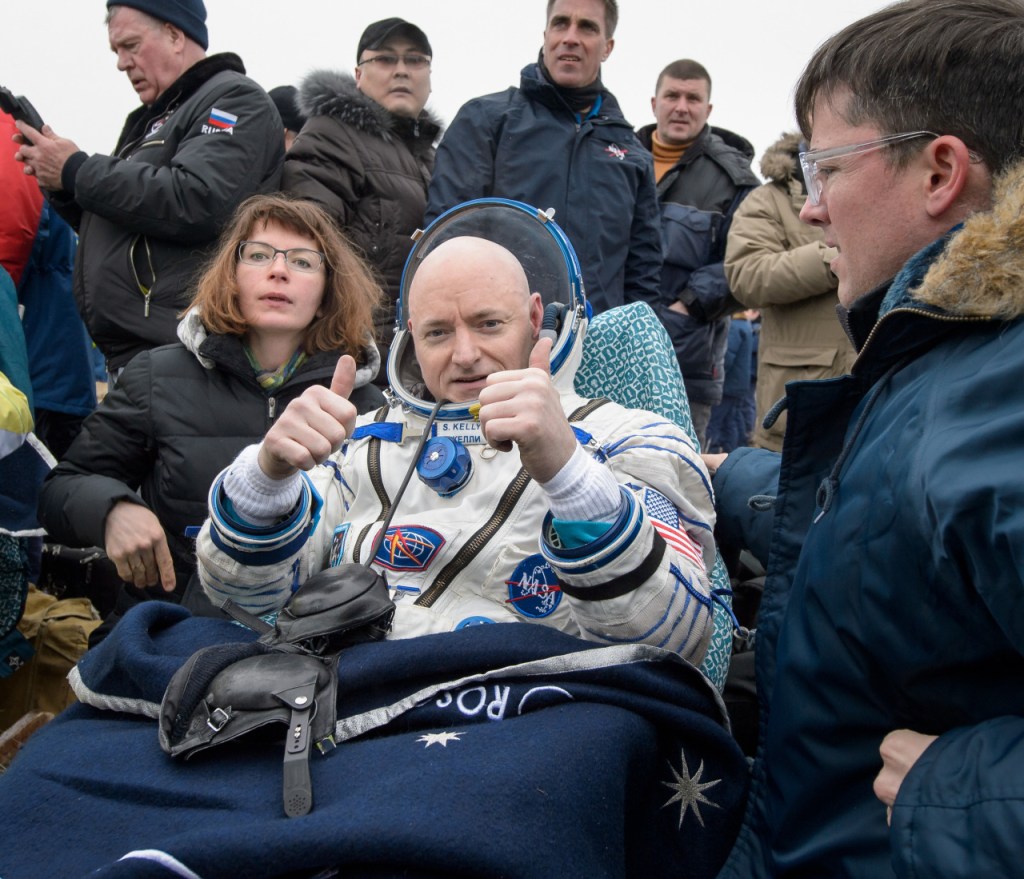
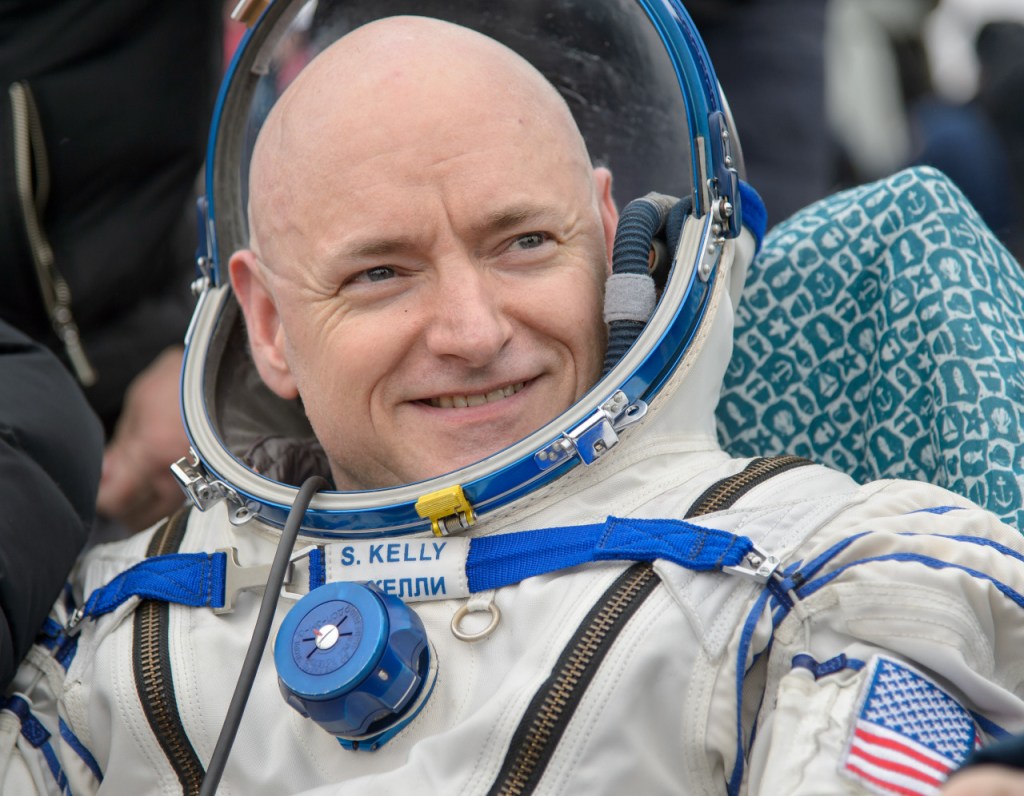
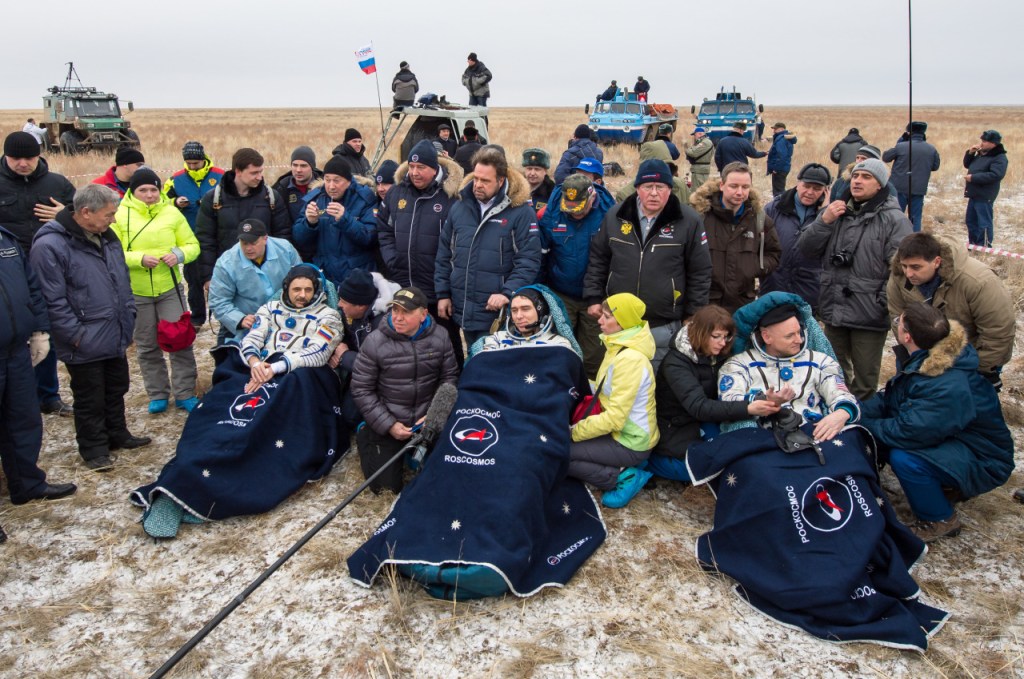
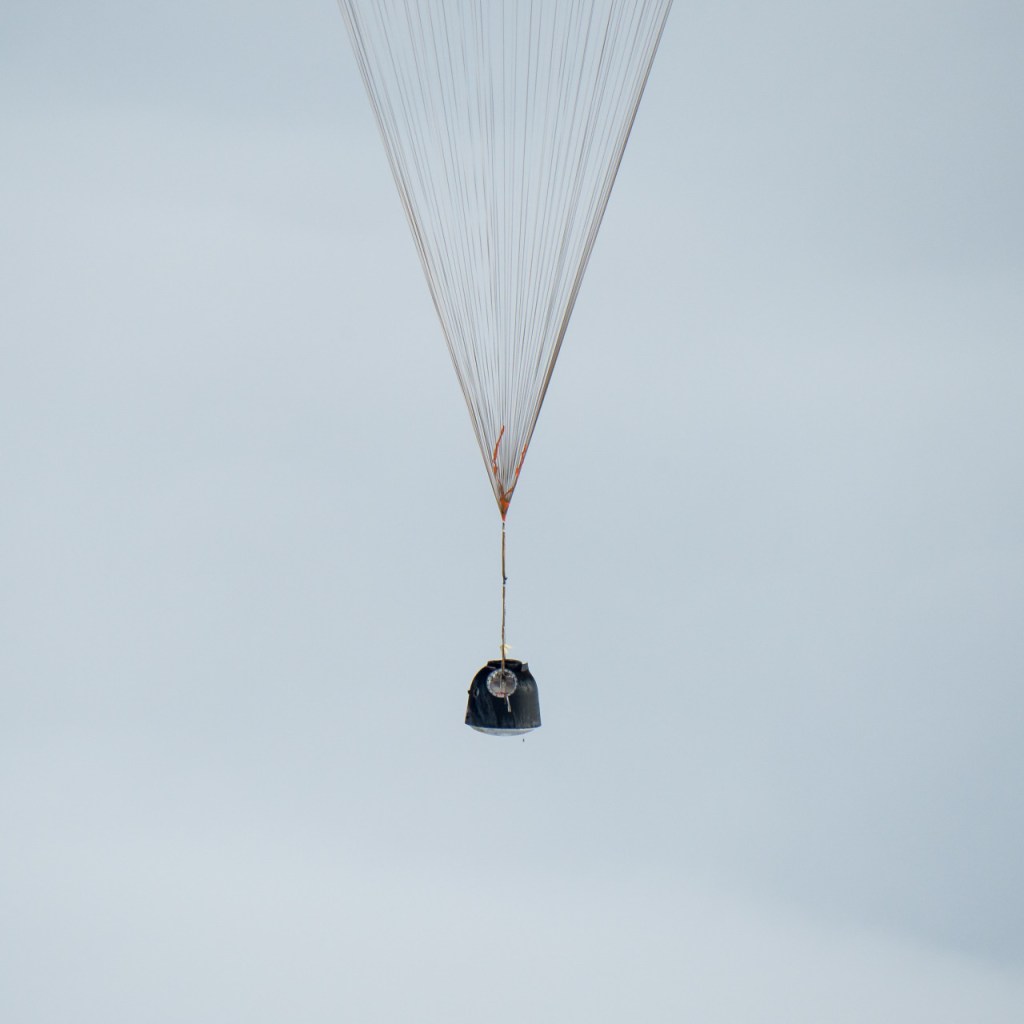
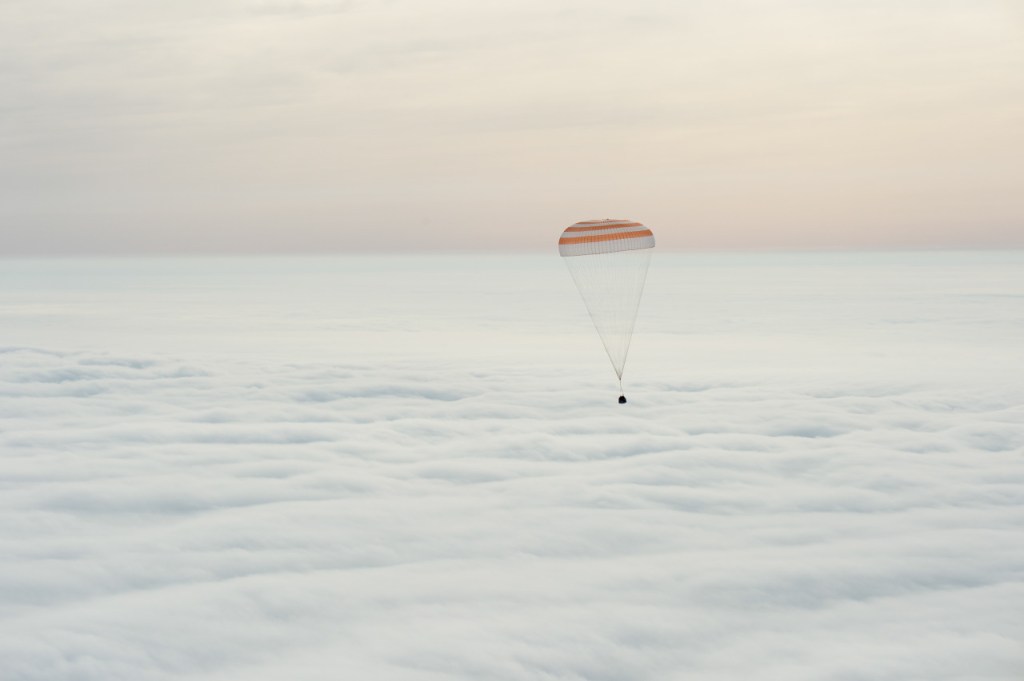
Astronaut Scott Kelly returned home from his year in space mission on March 1. Spending that much time in space allowed him to rack up some pretty cool milestones. Here are some of his awesome “firsts”:
Firsts on Social Media
While in space, Scott Kelly had the opportunity to host the first NASA TweetChat from space.
The first ever Tumblr AnswerTime from space was hosted by Scott Kelly during his One Year Mission.
Scott Kelly hosted the first NASA Reddit AMA from space.
Before leaving for his year in space, President Obama asked him to Instagram his time on orbit…a Presidential request to Instagram is a first!
Firsts for Scott
During his year in space, Scott conducted his first spacewalk. He hadn’t spacewalked on any of his previous missions, but did so three times during the One Year Mission.
Firsts for an American Astronaut
Most notably, Scott Kelly is the first U.S. astronaut to spend a year in space. His time on orbit also allowed us to conduct the first ever Twins Study on the space station. While Scott was in space, his twin brother Mark Kelly was on Earth. Since their genetic makeup is as close to identical as we can get, this allows a unique research perspective. We can now compare all of the results from Scott in space to his brother Mark on Earth.
During his year in space, Scott had the opportunity to be one of the first astronauts to harvest and eat lettuce grown in the space station’s VEGGIE facility.
Space flowers! Scott was also one of the firsts to help grow and harvest zinnia flowers in the VEGGIE facility. Growing flowering plants in space will help scientists learn more about growing crops for deep-space missions and our journey to Mars.
It wrinkles my brain that Jupiter’s moon Europa has oceans that are sixty miles deep, while Earth’s oceans only reach seven miles deep at most. I’m willing to bet good money that there’s life in Europa’s oceans. Like five bucks. You hear me, NASA? I bet you five bucks that there’s life on Europa… Now that there’s money and reputation on the line, I bet they send a mission there real quick.