Great question. Really it is up to the particular space agency/mission which time zone they use. For example, since the International Space Station is a collaboration between NASA, the Russian Space Agency, the European Space Agency, the Japanese Space Agency, and the Canadian Space Agency, we came up with the compromise of operating on Greenwich Mean Time (GMT). So, Space Station time is the same as London time! The International Space Station orbits our planet every 90 minutes, so of course we’re transiting across multiple time zones constantly.
Okay so here’s one of those rare gems of moments where retail is actually kind of okay.
I’m gonna start by revealing the well-kept secret that I live in Ohio… in case all the buckeye references flew by you. And Ohio… is obsessed with space travel. I mean- it makes sense. We’ve got a couple astronauts in our history, there’s the National Aeronautics and Space Museum in Dayton, and on those quiet summer nights, where the sky is clear and the stars are twinkling in the distance, it is hard to not look up at the darkness and wonder if there is intelligent life out there. (Not here.)
Anyhow, all the fourth graders have a big space-related project around this time of year and this means that we, as craft retailers, have to be problem solvers. The number one problem is ‘oh gods, please tell me that you’re going to put a primer down on that styrofoam before you spray paint it.’
Because- you guessed it- everyone is making a damn solar system model.
That is to say… their parents are making the solar system model.
I was just finishing up explaining the use of a styrofoam primer and which spray paints are safe to use with styro to the mother of one ten-year-old when the mother of another ten-year-old rounds the corner looking desperate.
“Is this a good paint for cardboard?”
It’s not. So I round her back to where her son and daughter are waiting and explain them what will work. She needs green, and there are three different kinds of greens. The mom holds them up and has her daughter choose.
“Which one do you want for your face?”
I freeze because putting acrylic on your skin is a great way to get a rash. “Hold on, you’re not putting this on your skin, are you?”
“No, gosh no. We’re painting a box and putting the box on her head.”
…
Okay, I’m curious. “Can you explain what you’re making?”
The daughter chimes in. “We have to do a project for school and I’m gonna dress up like a alien!”
Instantly, I love this child. Not just because she considers dressing up as an alien to be an acceptable school project, but because she’s not leaving it to her mom to do all the work.
So we talk for a minute about project stuff and she tells me that her brother is going to be the first man on Mars. Her brother is five. Her brother concurs- he is going to be the first man on Mars. Their mom tells me about the Neil Armstrong museum nearby. Like… this is a family of people excited about the future of space travel.
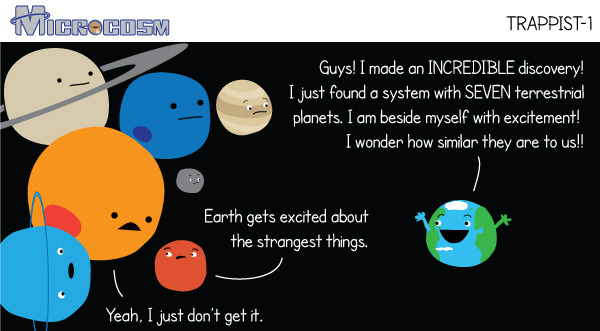
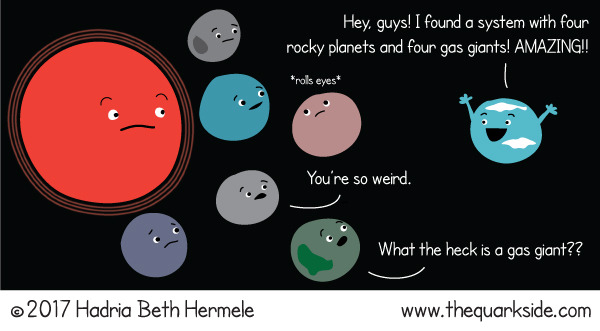
“Did you hear about those new planets,” I asked.
The little girl starts jumping up and down. “Yes! Yes! Yes!”
Mom: “Can you remember what they said about the new planets?”
“They said…. they said that they can… uhhh… sustain life! There might be aliens!”
Mom: “Now, they said they can sustain life, but I think they also said that it isn’t very advanced life.”
The little girl looks off into space- contemplating this new information. She is formulating a very important thought.
It’s way too late for this, but it’s important to note that NASA didn’t discover the new earth-like planets. It was a group of astronomers lead by a dude name Michaël Gillon from the University of Liège in Belgium. Giving NASA credit for this gives the United States credit for something they didn’t do, and we already have a problem with making things about ourselves so. just like…be mindful. I’d be pissed if I discovered a small solar system and credit was wrongfully given to someone else.
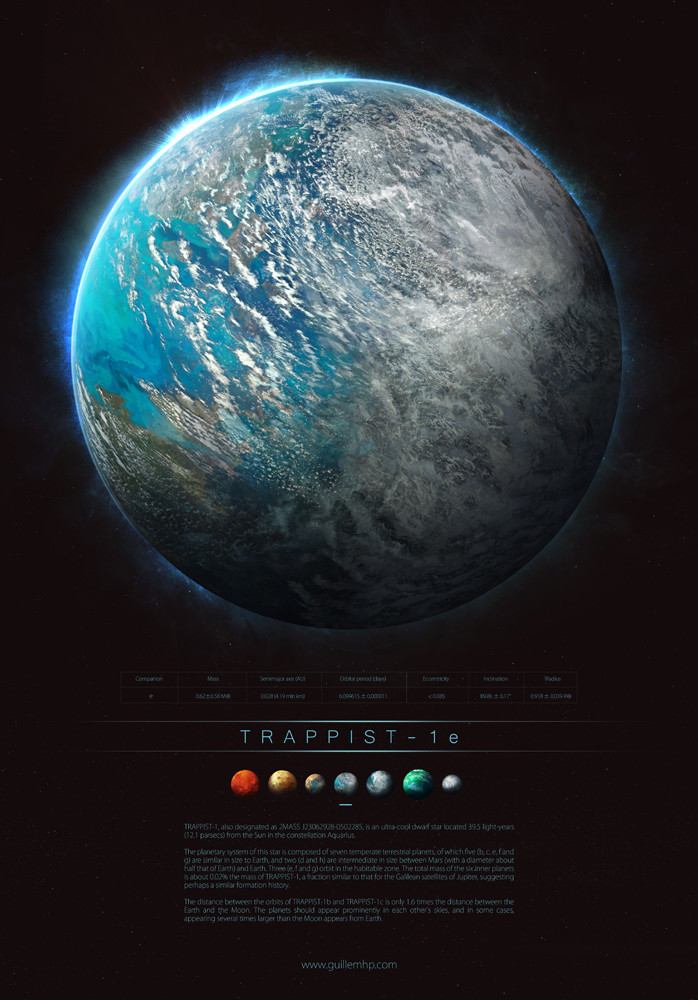
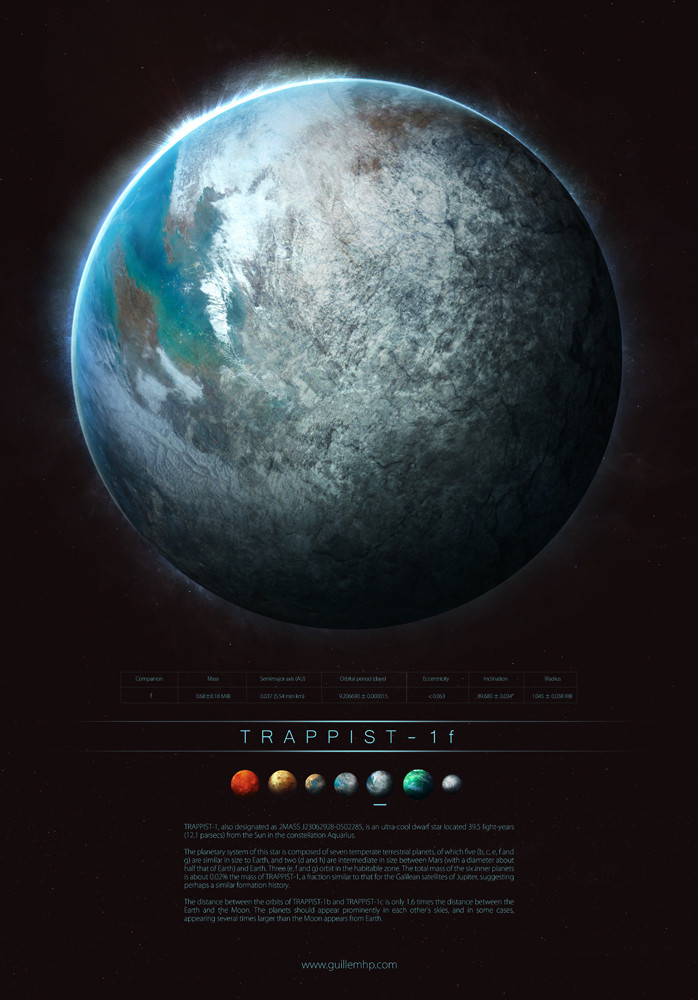
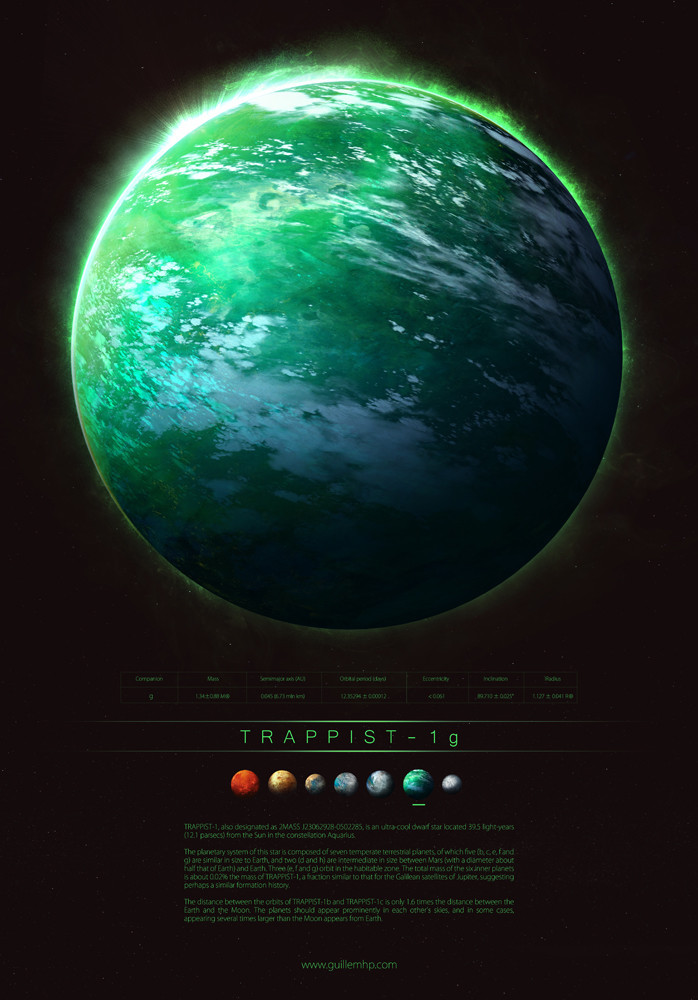
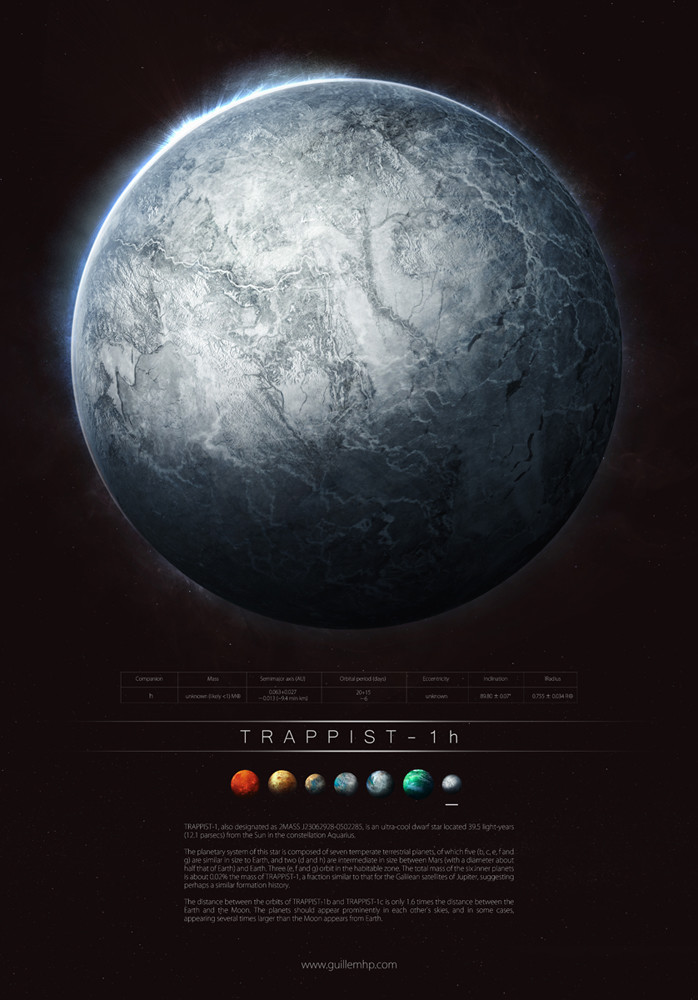
This is valid. NASA’s involvement in this was predominantly in the use of of Spitzer data to validate findings from a primarily European funded program (TRAPPIST). There were Americans (or at least, an American) on the team, but beyond it being a collaborative and data-sharing arrangement this isn’t primarily an Agency achievement.
I’m here for the Belgians in the tags and also…totally didn’t know trappist was the name of a beer, I fucking love learning shit on my own posts.
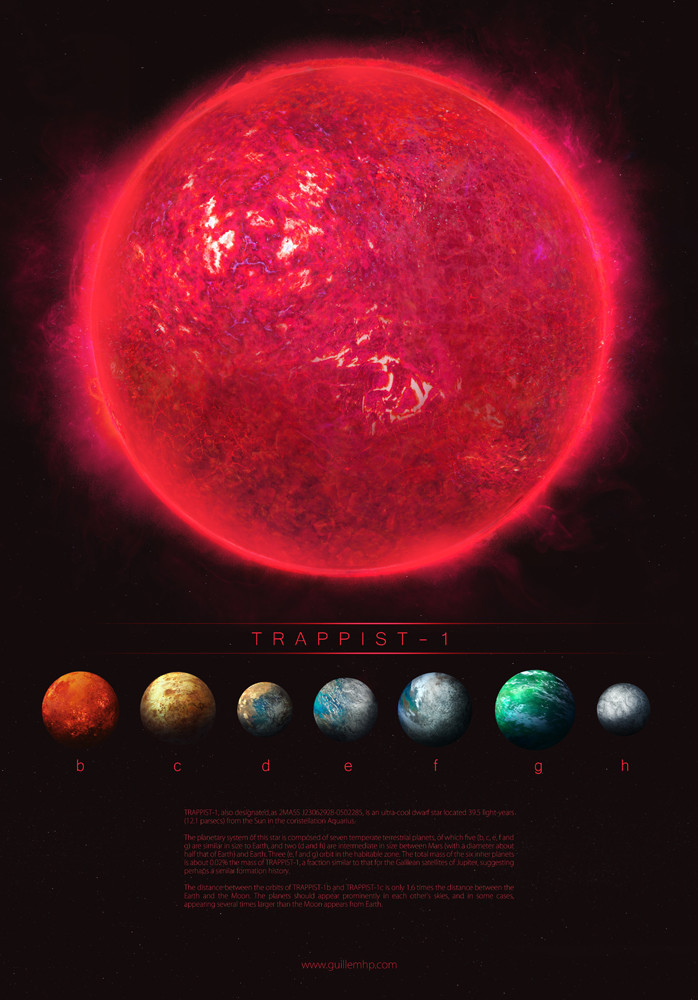
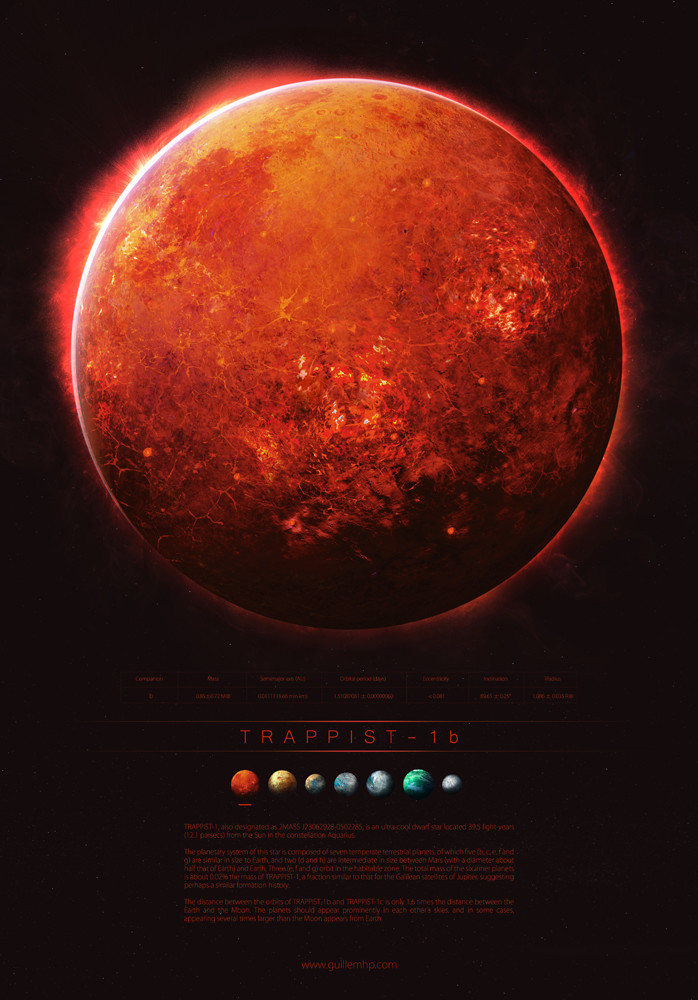
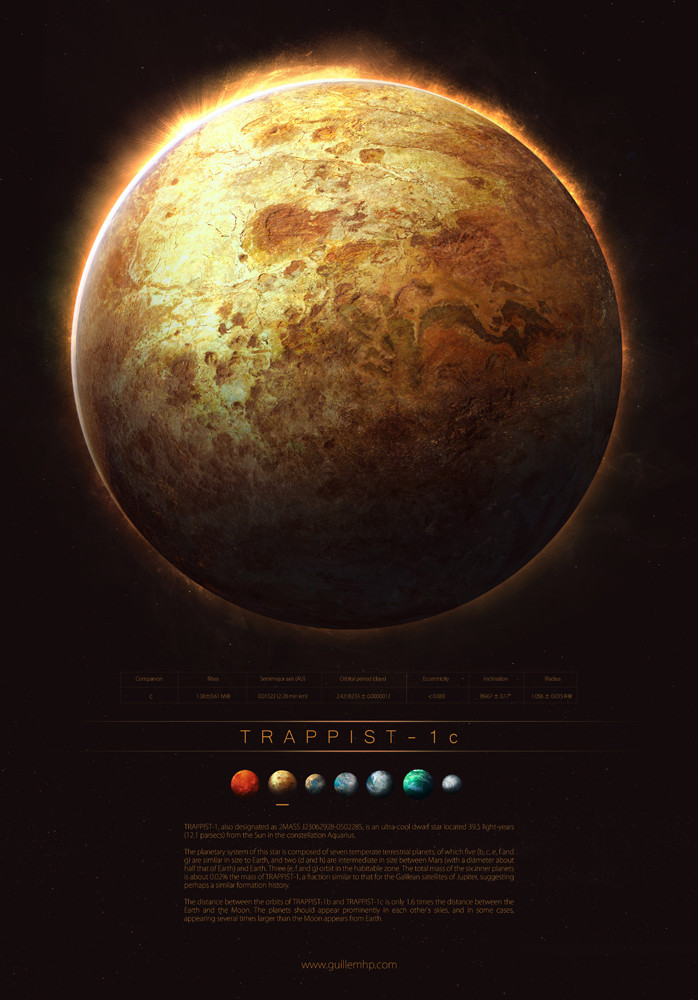
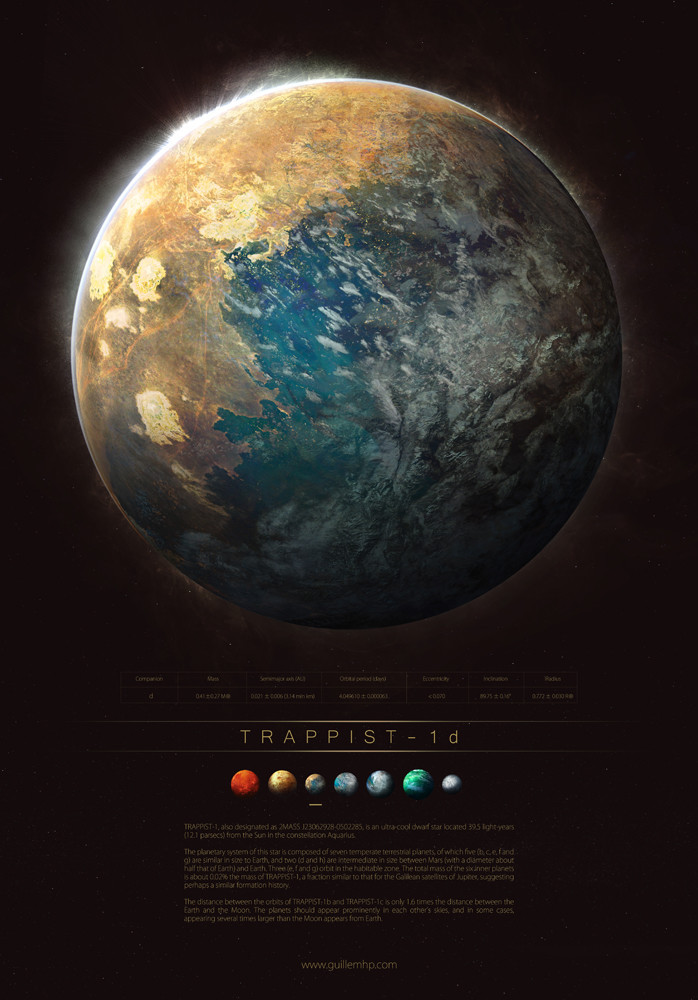
some of my favourite absolutely SICK facts about the trappist-1 exoplanets:
– theyre all very close to one another and to their star, so the length of a year on them varies from 1 to 20 DAYS
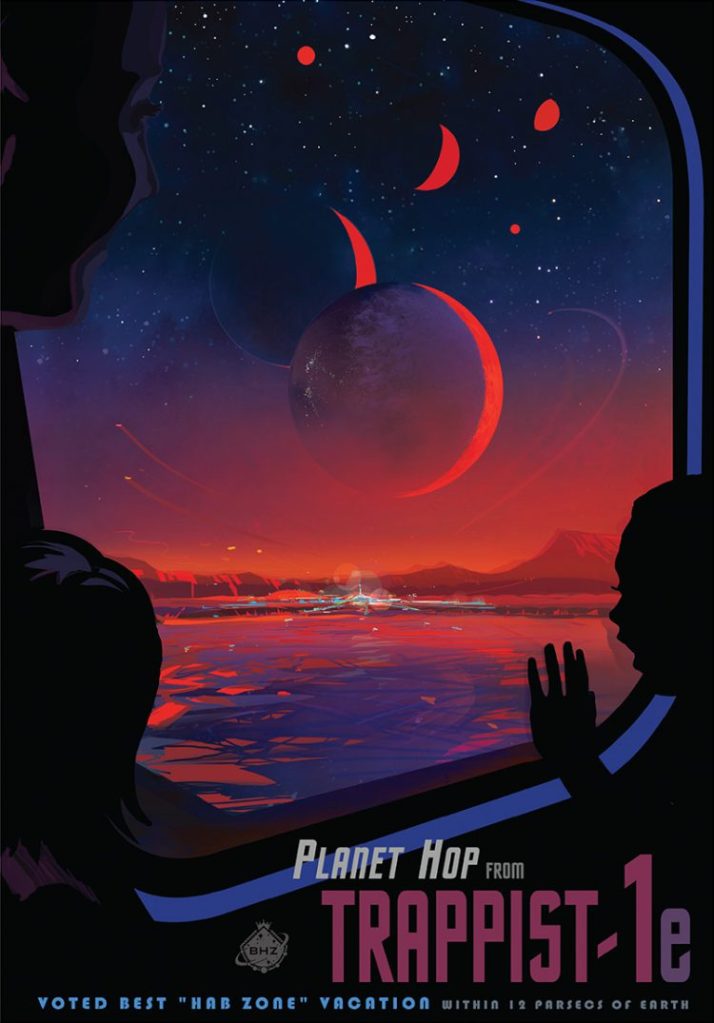
– since they’re so close, the star appears a lot bigger than our sun from earth, and from one planet you could easily see the rest, some would even appear bigger than the moon from earth. you could literally see the surface of another planet with a naked eye!!!
– they’re tidally locked to their star like our moon is locked to earth, meaning only one side of a planet ever faces the star, and on the other side it’s always night. the sun never sets or rises on any of the planets
– the star is red, so the sunlight is red/orange, meaning if, for example, plants were to grow there, they could be black
and that’s just what we know now, imagine how much cool stuff we have yet to discover about the trappist-1 system