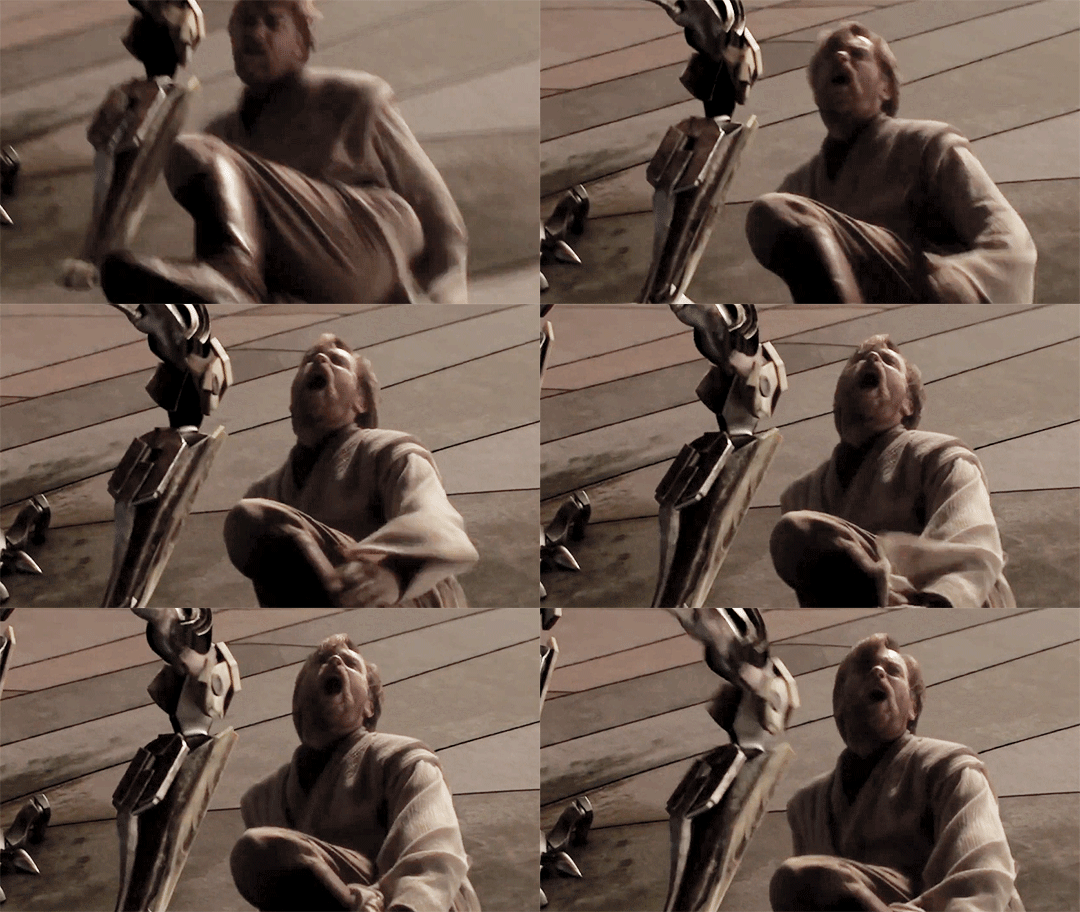
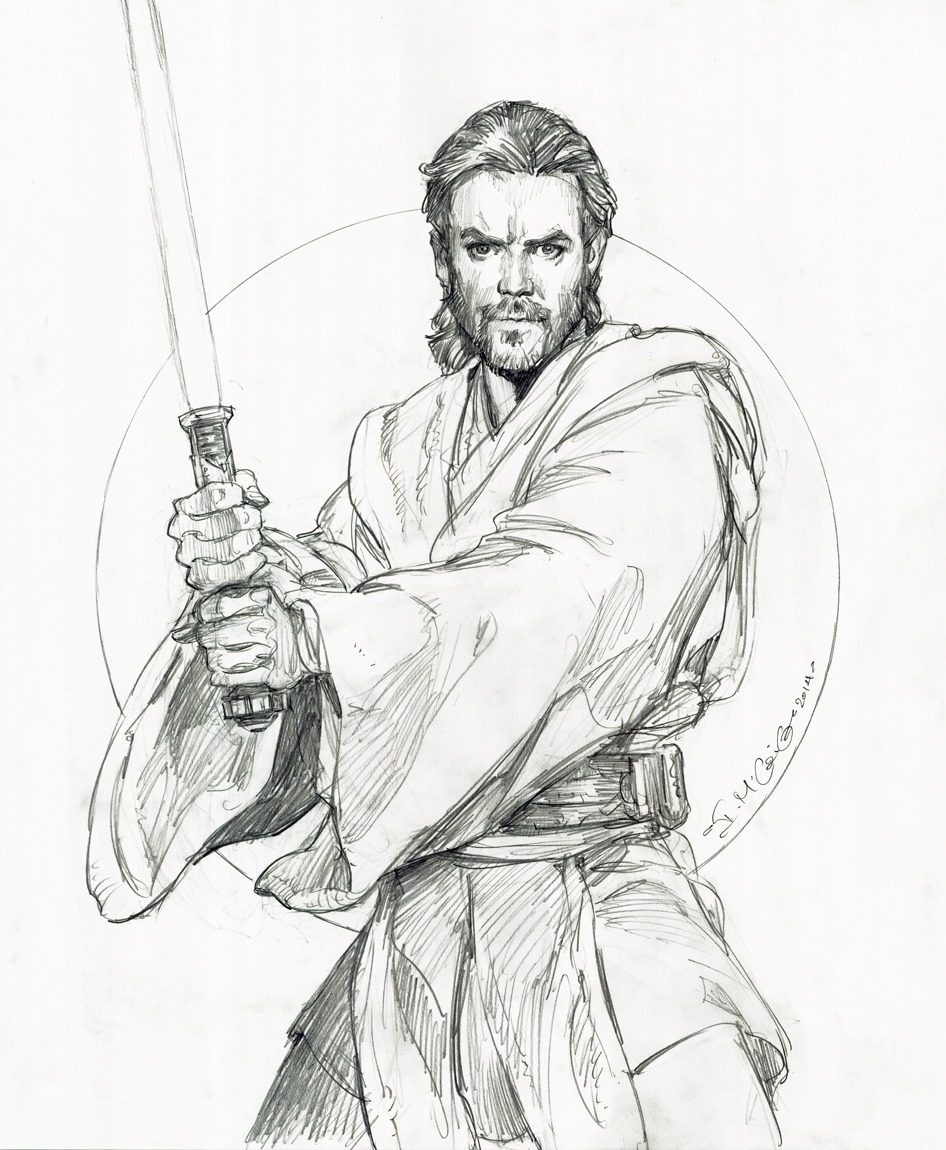
concept
Obi Wan Kenobi is safe and warm. he is happy and surrounded by all the people he loves. they are not dead and no one has ever betrayed him. he is content.

The sheer, utter innocence about this moment, though.
I’ve heard film critics say: “It wasn’t dramatic enough!” But, you know, I think it was.
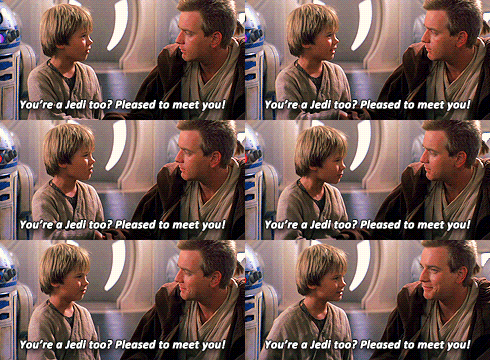
Neither one has any clue how much they are going to absolutely destroy one another and just how nasty things are going to get. They’re both so young, naive and nice here.
A cute, friendly little handshake. That’s how it started.
The horror hasn’t hit them yet. And the viewer knows it hasn’t. We know more than they do.
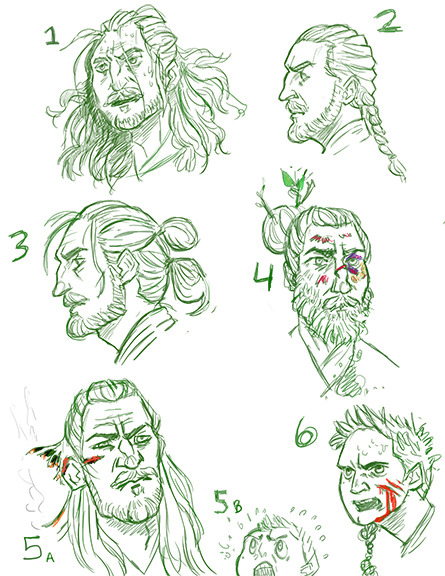
Qui-Gon mane is certainly luscious however it presents some unique difficulties for missions–especially when your missions devolve into the utter mess Qui-Gon’s often do.
1. Qui-gon does NOT appreciate the looks he’s getting. You would think saving someones life deserves a little—just a little!!!–gratitude and respect. But it appears he Jedi dignity is as dead as that bounty hunter. Ugh politicians.
2. Qui-Gon hasn’t even seen a fresher in weeks. It was okay right up until the guerrilla fighters efforts to capture himself and the last member of the royal house doubled and then tripled. Unable to halt their wild flight through the country for anything, Qui-gon quickly lost patience with his unwashed hair. The Princess was very helpful with her comb and the strange braid a godsend in keeping the greasy strands of hair from touching his face and unable gather every plant particle he encounters.
3. Qui-Gon is rather fond of this style and ignores his tiny padawan’s giggling effortlessly.
4. Once again Qui-Gon and padawan have been living rough off the land and confounding the war party baying for Jedi blood that’s hunting them. This has been going on long enough that the local tyrant has grown bored and offered to open talks. It’s probably a trap. However he is a Jedi peace keeper and has a duty to preform. He does what he can to clean up before setting off.
5A Pirates. A blaster. There is nothing more to say because this fight is OVER.
5B “oooooooohhhh M A S T E R!”
6. Obi-Wan hates this mission. HATES IT. Ugh he hasn’t bathed in a week, and he is far more upset about that than the HUGE gundark baring down on him. Whatever, it just doesn’t know its dinner yet.
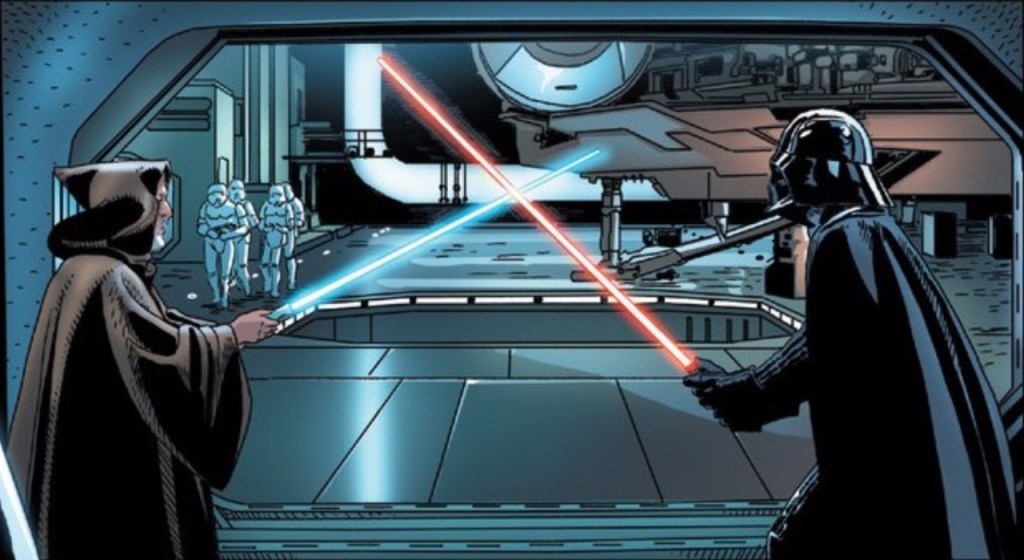
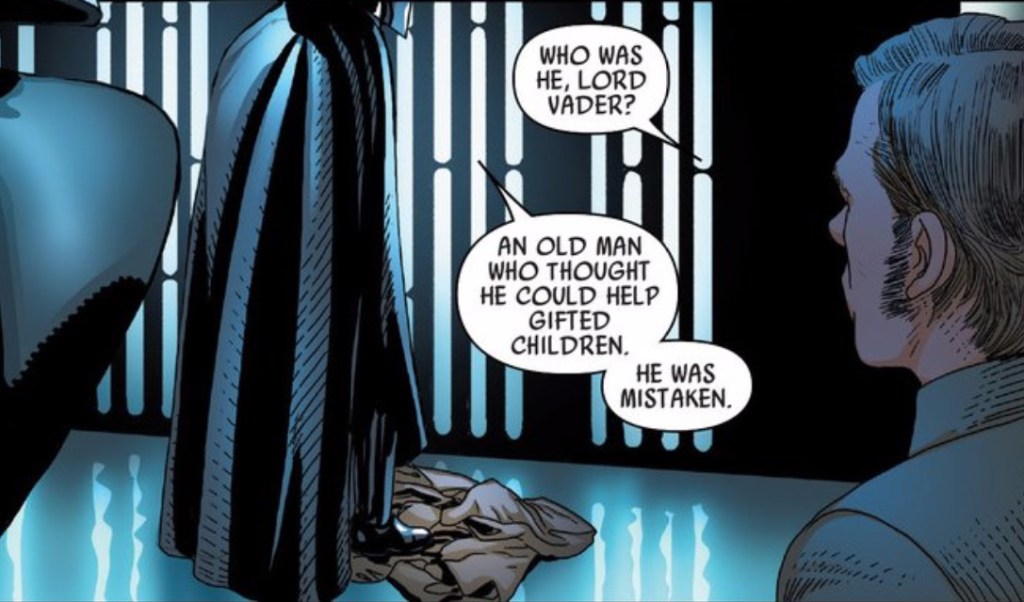
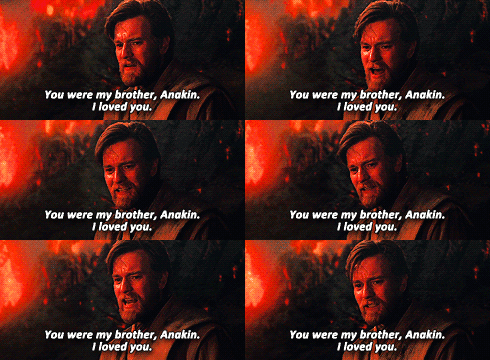
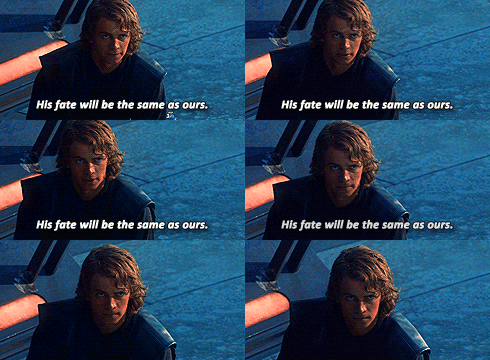
Can we talk about how this one panel tears down the idea that Vader hated Obi-Wan beyond all others? Yes, that is certainly a statement that could be taken as scornful, though I read it as at least somewhat wistful. No matter what tone he says it in, and surely it would be with relish and anger, he had to think it first. He does not call Obi-Wan an old fool, nor does he call him a dangerous renegade. He levies no insults at Obi-Wan at all. He’s an old man who thought he could help gifted children.
He recognizes that Obi-Wan wanted to help him. And rather than blaming Obi-Wan for fucking him up, he essentially shoulders the blame as that gifted child for being impossible to help. He actually blames Obi-Wan only for optimism. His destiny, after all, was predetermined. Obi-Wan thought otherwise, but that is not a crime worthy of hatred.
And I kind of get on about this because I think there is literally no canon evidence that Vader directed hatred or energy toward killing Obi-Wan between their duels. Rewind from their pitiful duel on the Death Star, and what do you have? Twenty years of Obi-Wan living in peaceful exile. The EU conjures up reasons for why Vader personally did not hunt down all the Jedi, both creating Inquisitors for us and at times having Palpatine personally counsel against it as a detriment to Vader’s growth as a Sith. But the point remains that Vader did not focus pursuit on Obi-Wan. Rewind further to the duel on Mustafar. Amid Anakin’s ranting, he tells Obi-Wan “Don’t make me kill you.” He waits for a solid declaration of intent from Obi-Wan that a fight must commence. That is not obsession and it is not drive to see Obi-Wan’s death. While they both prepare for the duel they know is inevitable, on both sides, they require that last push to make them fight. It is not an uneven assault where only Anakin pursues combat because he specifically wishes for Obi-Wan to die.
Back to their final, pitiful duel. I know that people like to characterize it as murder since, well, murder and heavy breathing are pretty much what Vader does best. It only barely fits the criteria, since Obi-Wan not only lowers his weapon, but outright declares that when Vader strikes him down, he will become more powerful. He intends for it to happen. Vader is the instrument of his suicide.
How does Vader react? With fury that Obi-Wan denies him even his vengeance? No. Obi-Wan is an old man who thought he could help gifted children. He was mistaken. Now, Vader is well and truly abandoned for Obi-Wan has given up on him and living in a world that has him in it.
This is, in many ways, a sadder interpretation than the more prevalent idea that Vader obsessed over vengeance every hour of the day.
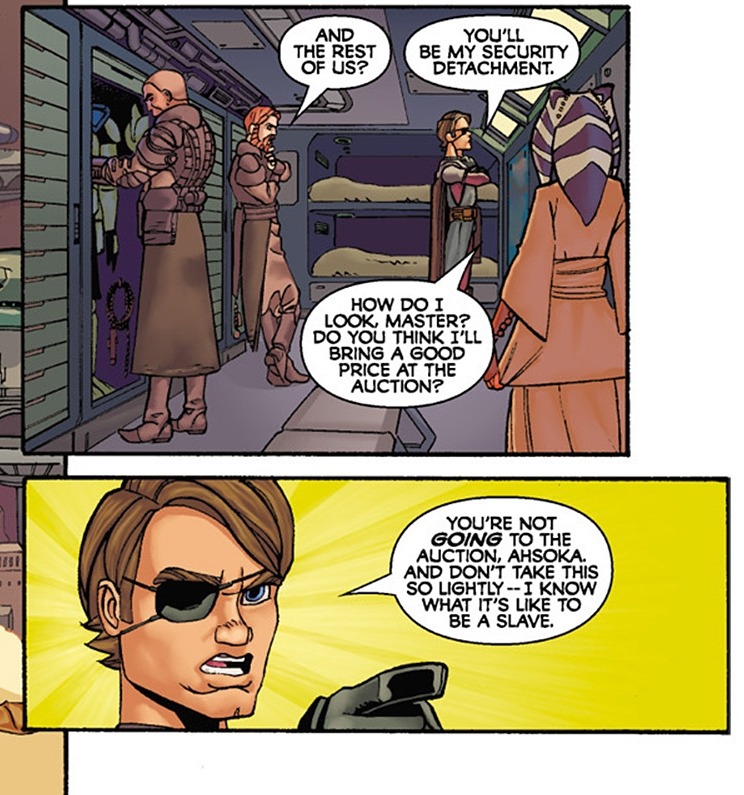
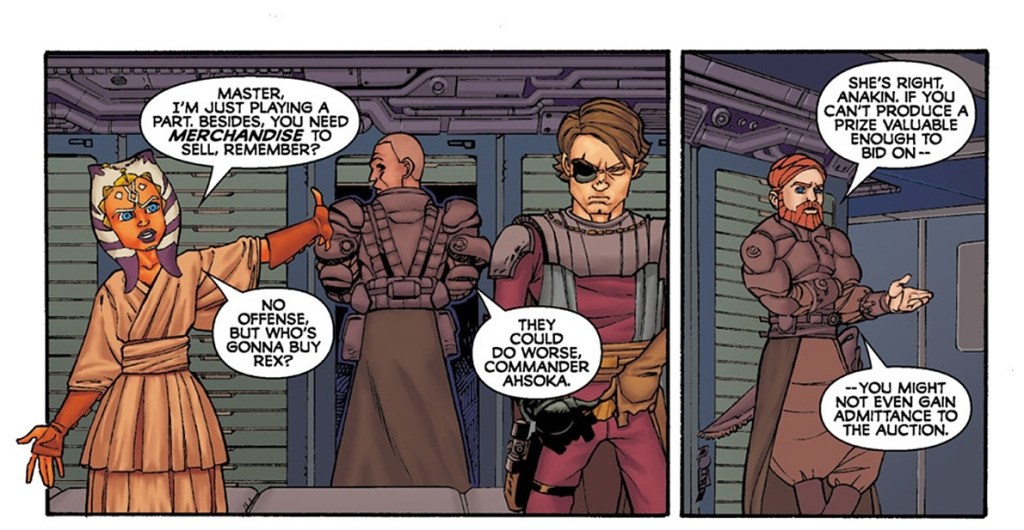
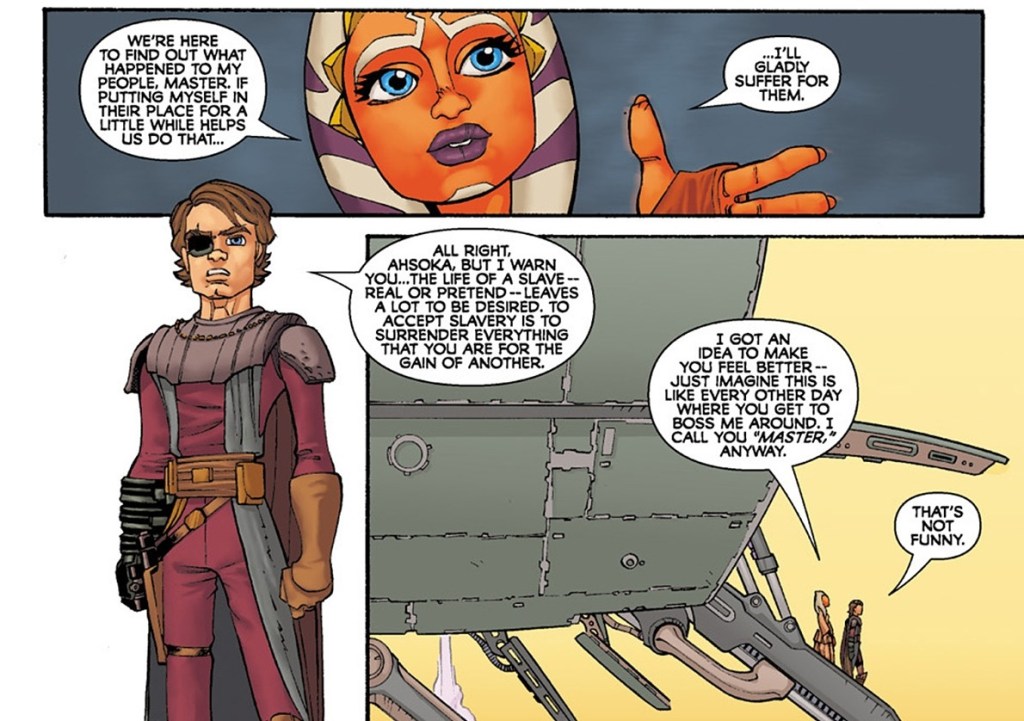
This short scene from “Slaves of the Republic” give an interesting insight about Anakin & Jedi Order:
- despite living in Jedi Order by ~10 years, Anakin is still traumatized by slavery
- looking how Obi-Wan is willing to take a child on dangerous mission and let Ahsoka play the role of slave raises a question about Jedi’s altruism. As much as Obi-Wan’s acceptance for her plan was born from pragmatism (”If you can’t produce a prize valuable enough to bid on you might not even gain admittance to the auction”) there is a little concern for Ahsoka’s safety and how the experience of being / playing slave will affect her afterwards. She may be
promising padawan, but she is still a 14? 15? years old kid.- Ahsoka is willing to risk her own safety for people in need but the same as Obi-Wan, she doesn’t really understand slavery and its effect on person so her attitude could sound quite dismissive. That’s why Anakin snapped at her (later, Kenobi admitted his lack of understanding and even said though he was subjected to slavery for a brief time, he can’t imagine living with it everyday)
- The fact that Ahsoka thought that playing the role of slave could be seen as similar to being bossed around by her master and how Skywalker reacted [that’s NOT FUNNY] raises a question how young Anakin felt about calling his mentor and other Jedi as [his] masters? Did it bring some traumatic memories? Did anyone explain him it was a way to show a respect toward older person, not some sign of slavery? Was there someone who helped him to adjust into Jedi Order by really understanding his life experiences and not just telling him “let it go”?
I get the feeling that both Ahsoka and Obi-Wan – and probably most of Jedi – didn’t understand slavery and its extremaly traumatic effect on people what
at least for meimplies that Anakin by ~10 years struggled with his past without much of real support…