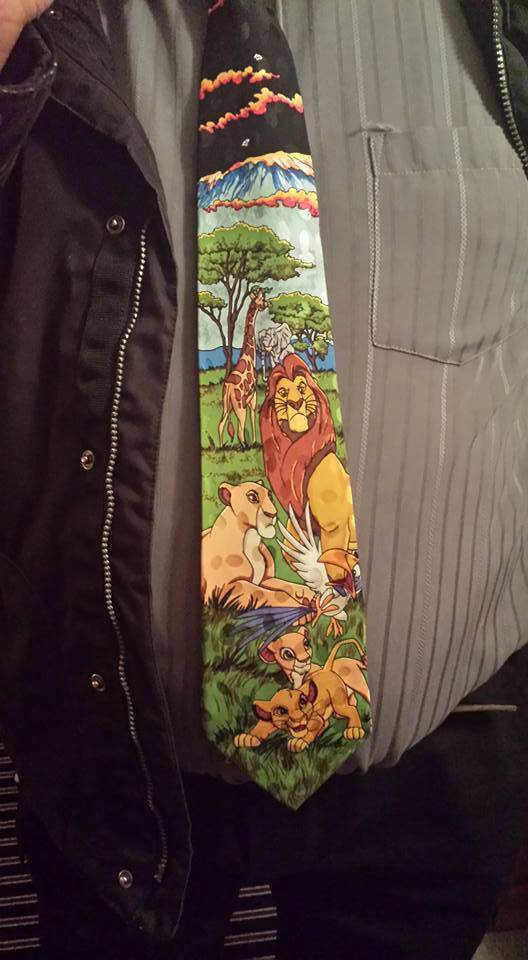
Cool Thing of the Day: My dad only ever wears Disney ties and I think that’s pretty nifty.
I love it




Anyways idk if ive mentioned this before, at least in its own legit post, but something that’s always made me feel especially comfortable and safe watching brooklyn nine nine is that they literally use textbook empowerment language when describing women.
So like, what i mean here is that a while ago in class we had a guest speaker who was talking abt how one of the primary ways to change internalized and externalized objectification of women, and specifically how young girls view themselves and their bodies, is to use “empowering” language to describe women, rather than language that focuses on physical attributes.
A woman is “intelligent”, “tenacious”, “creative”, “determined”, “loving”, “incredible”, “enthusiast”, “strong”, “powerful” etc. And, when adjectives that could imply physical attributes are used, words like “beautiful” or “stunning” – words that encompass the whole of a person and not just their physicality, specifically their sexualized physicality – should be most prevalent.
And i didnt realize this until recently, but b99 literally does exactly this. Frequently. For many of the female characters on the show. And the language is used, even more notably, by BOTH men AND women, in both romantic AND platonic contexts.
And u know, I think that’s pretty cool.



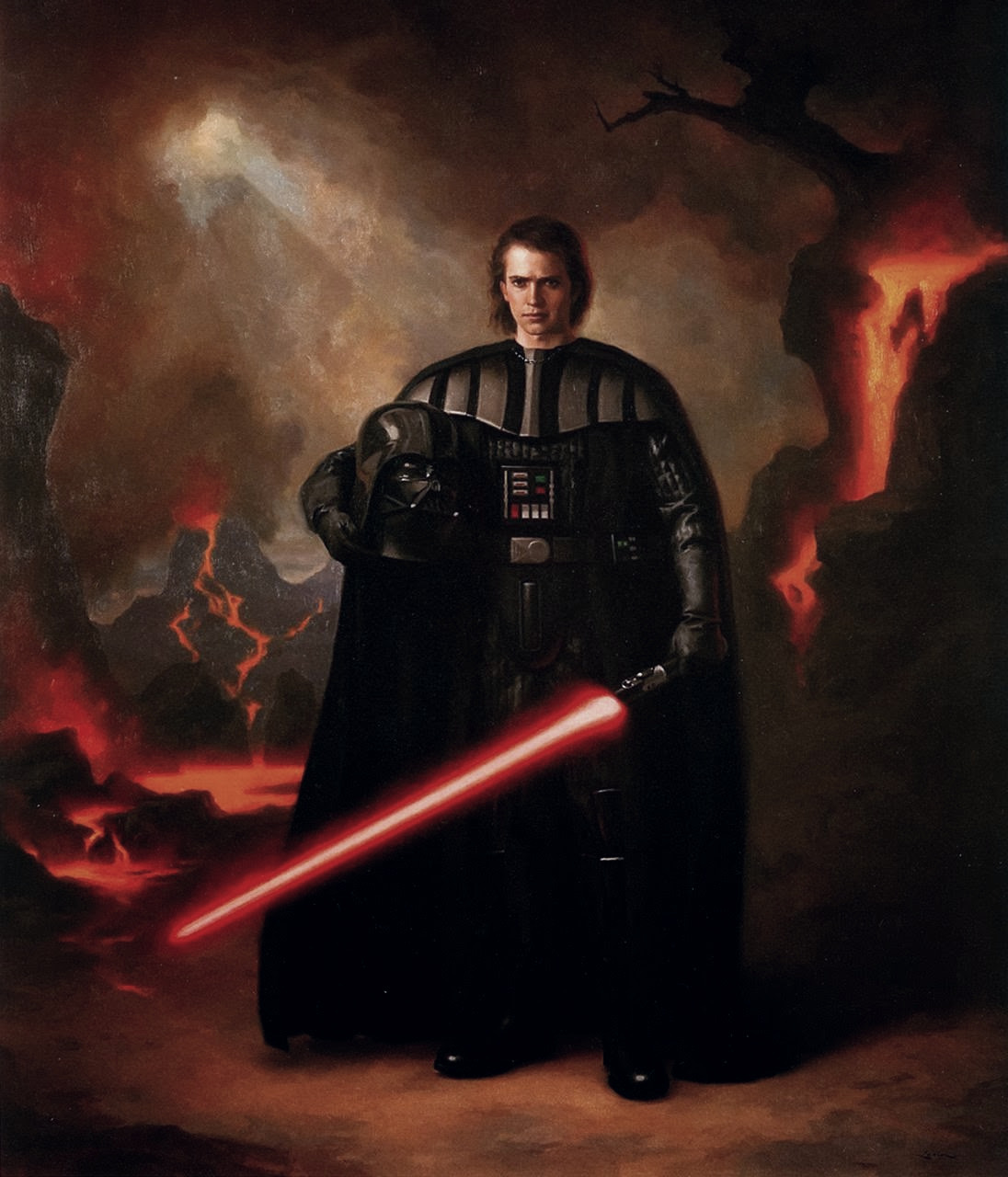
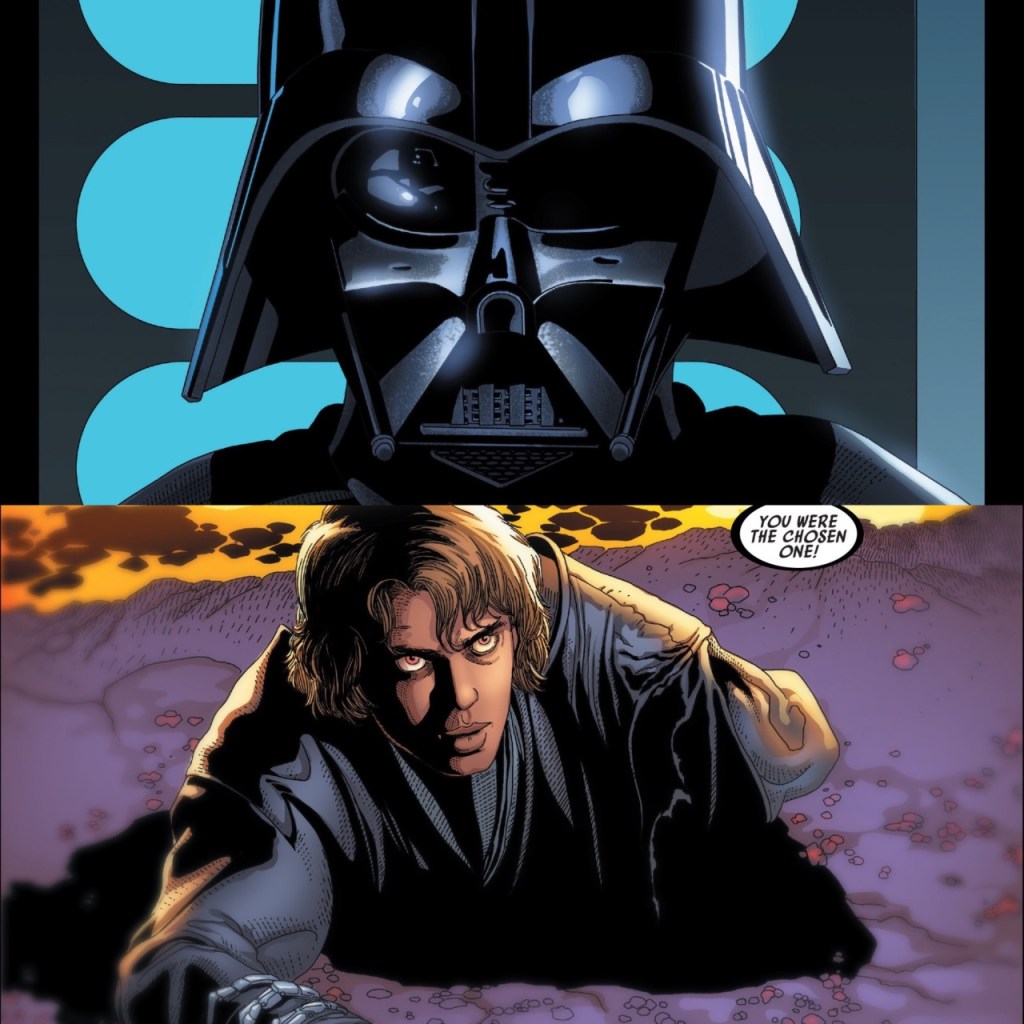
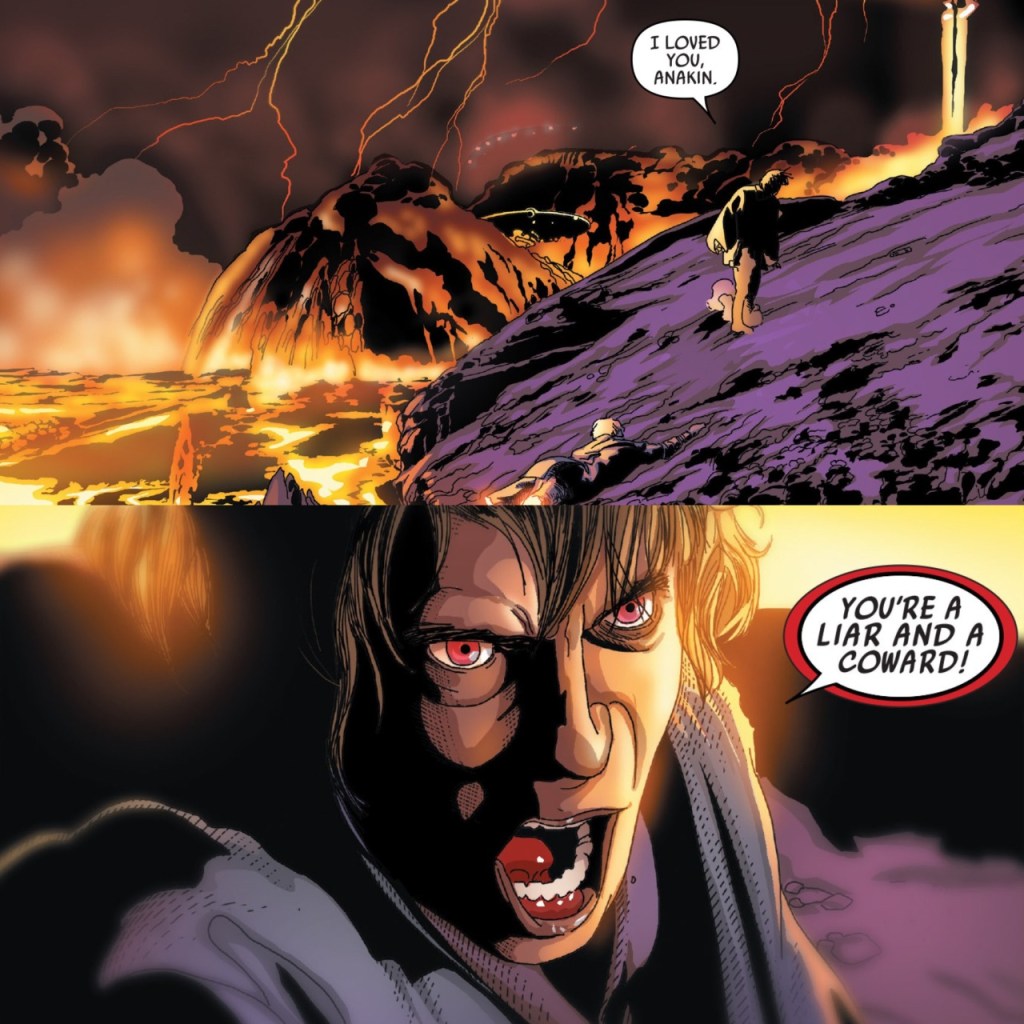
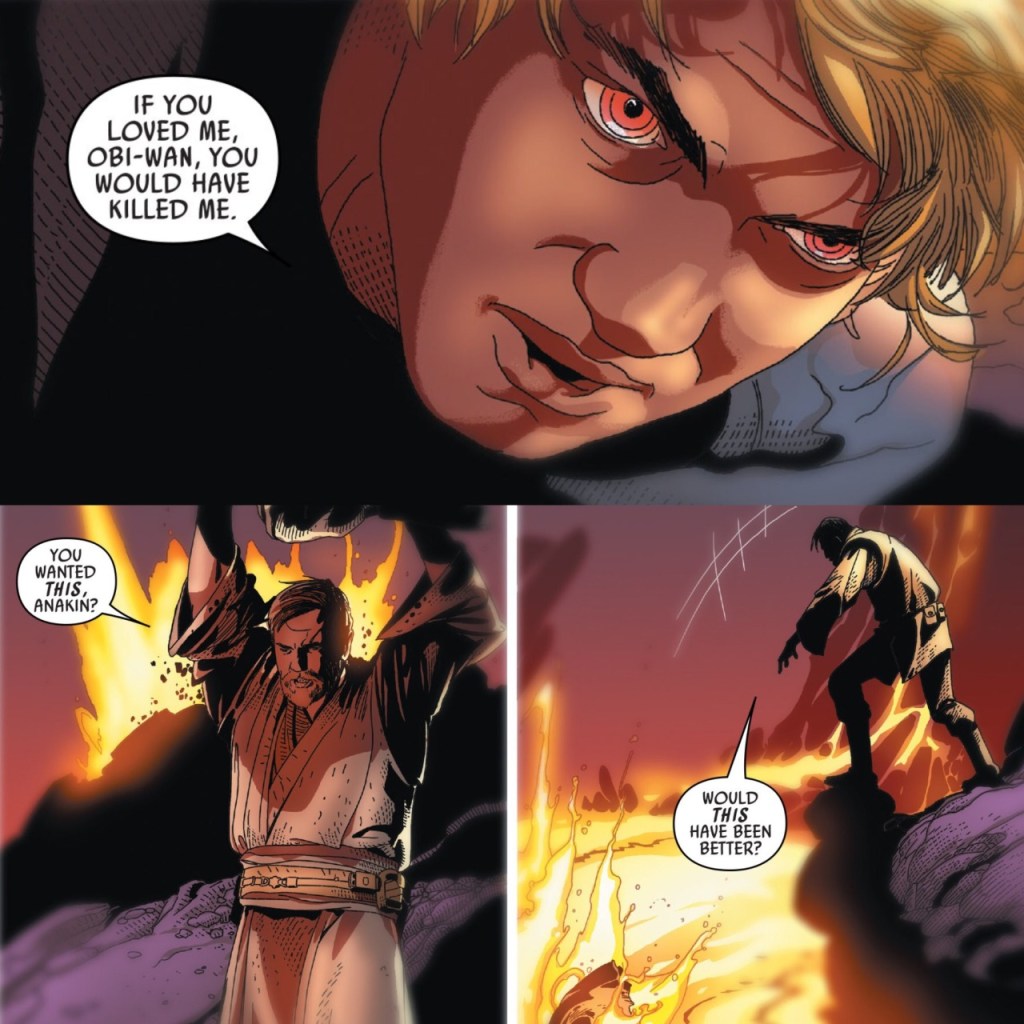
Oil painter Steven J. Levin says: “Vader … is the most interesting character to me, the central figure to the story, and a tortured one — the golden boy gone terribly wrong. The setting is Mustafar, the planet where Anakin sealed his own fate — where Vader was born. The thing that intrigued me about the Star Wars saga was the idea of the Jedi as protector knights and conversely of Darth Vader as a kind of dark knight.
“The portrait is of him in that role, as a knight might have been painted, with sword in hand and helmet under his arm, but hopefully capturing some of the conflict in his character. The clouds are dark and foreboding, but the light breaking through above is symbolic of his eventual redemption.”