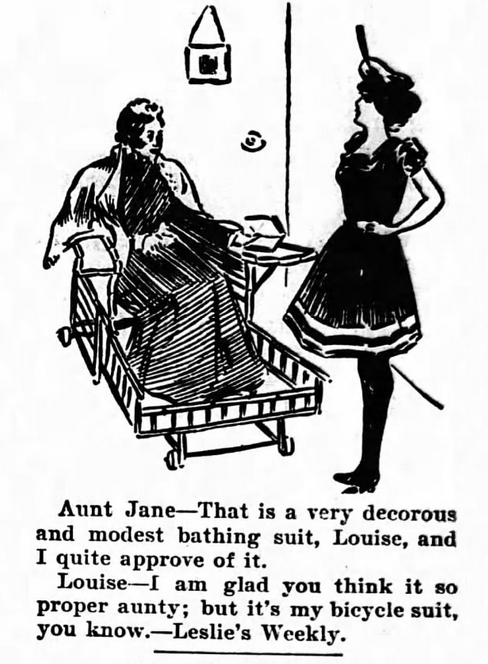
i wonder how many historic trans men we’ve lost to “this WOMAN went by a man’s name, wore men’s clothes, took the job of a man, lived as a man… GIRL POWER!”
this isn’t a “pushing my identity on historic people” thing, it’s the fact that every single time i or another person brings up the possibility of someone like us in history, we’re immediately shut down, told that we didn’t “exist yet”, given a billion different reasons why we aren’t ALLOWED to see these people as reflective of us and our struggles and experiences – i get that we didn’t have the vocabulary back then but for so many of you the IDEA that someone who went to the same stretches that we do today to separate from their dead selves and identify similar to the way trans people do is too “far out there” and “disrespectful” to them somehow. they’re dead. we’re alive. we’re trying to connect the pieces. go get your kicks out of isolating us from history somewhere else, away from me.
yeah, there were women who did crossdress in order to take up jobs they would not have been permitted to access
but when people say it about Albert Cashier, who donned Union uniform, bound his chest, and lived as a man even after the Civil War, when he was reclusive and lived in a tiny village, after there would have been no incentive for him to do so, I question their motives.
I also question their motives when they list Alan L Hart, who legally changed his name and was one of the first trans men to pursue a hysterectomy, referring to himself as “a fellow.”
people DONT want historical figures to be trans. they WANT to interpret these historical figures as women, not trans men, because that makes them uncomfortable.
Image: Courtesy of The
Family of Judith Jones/Knopf
Judith Jones may not have been a household name, but without her, some of the world’s most famous books may never have been published.
In 1950, Jones was working as an editorial assistant at Doubleday Publishing when she stumbled upon a book in the discard pile that she couldn’t put down. She was struck by the face on the cover: Anne Frank.
“I read all afternoon with the tears coming down my face,” Jones told NPR in 1998. “When my boss got back, it was evening by then. He said, ‘What are you doing still here?’ And I said, ‘We have to have this book!’ And he said, ‘What? That book by that kid?’”
The book by that kid became The Diary of Anne Frank. It had already been released in German and Dutch, but Jones convinced her bosses to publish it in the United States, vastly expanding its readership. It went on to sell more than 30 million copies
worldwide in more than 60 languages.
Jones died Wednesday at her home in Vermont. She was 93.
“You might think that your hair looks pretty fly, but chances are it’s nothing compared to the Amasunzu. It’s a traditionally Rwandan hairstyle that was once worn by men, as well as by unmarried women in order to indicate to potential suitors that they were single and of marriageable age.”
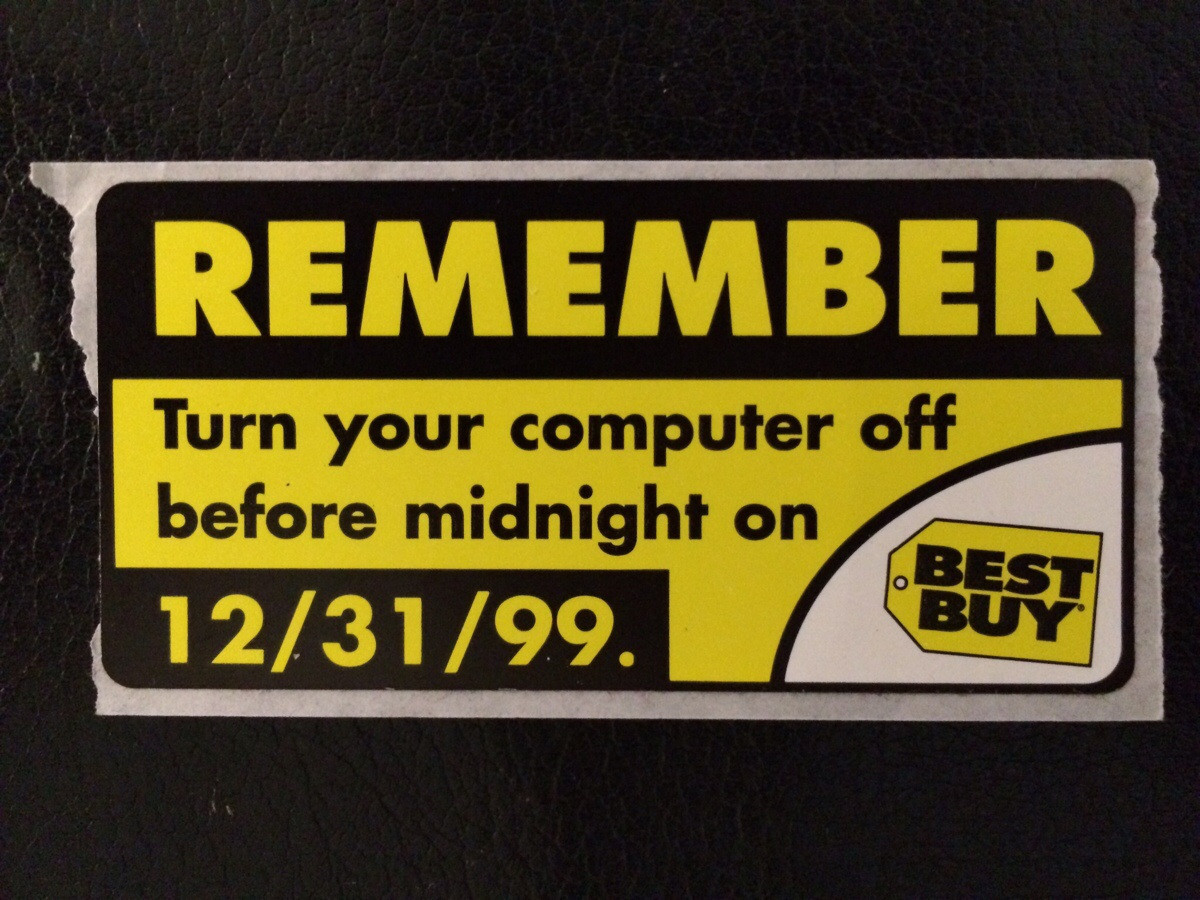
what. why? someone pls explain to me pls i wasnt born yet in 1999 why turn computer off before midnight? what happen if u dont?
y2k lol everyone was like “the supervirus is gonna take over the world and ruin everything and end the world!!!”
This is the oldest I’ve ever felt. Right now.
WHAT THE FUCK DO YOU MEAN YOU WEREN’T BORN YET IN 1999.
Ahh the Millenium bug.
It wasn’t a virus, it was an issue with how some old computers at the time were programmed to deal with dates. Basically some computers with older operating systems didn’t have anything in place to deal with the year reaching 99 and looping around to 00. It was believed that this inability to sync with the correct date would cause issues, and even crash entire systems the moment the date changed.
People flipped out about it, convinced that the date discrepancy between netwoked systems would bring down computers everywhere and shut down the internet and so all systems relying on computers, including plane navigation etc. would go down causing worldwide chaos. It was genuinely believed that people should all switch off computers to avoid this. One or two smart people spoke up and said “um hey, this actually will only effect a few very outdated computers and they’ll just display the wrong date, so it probably won’t be harmful” but were largely ignored because people selling books about the end of the world were talking louder.
In the end, absolutely nothing happened.
Oh gosh.
I’ve been a programmer working for various government agencies since the early 1990s and I can say with some confidence:
NOTHING HAPPENED BECAUSE WE WORKED VERY HARD FIXING SHIT THAT MOST DEFINITELY WOULD HAVE BROKEN ON 1-JAN-2000.
One example I personally worked on: vaccination databases.
My contract was with the CDC to coordinate immunization registries — you know, kids’ vaccine histories. What they got, when they got it, and (most importantly) which vaccines they were due to get next and when. These were state-wide registries, containing millions of records each.
Most of these systems were designed in the 1970s and 1980s, and stored the child’s DOB year as only two digits. This means that — had we not fixed it — just about every child in all the databases I worked on would have SUDDENLY AGED OUT OF THE PROGRAM 1-JAN-2000.
In other words: these kids would suddenly be “too old” to receive critical vaccines.
Okay, so that’s not a nuke plant exploding or airplanes dropping from the sky. In fact, nothing obvious would have occurred come Jan 1st.
BUT
Without the software advising doctors when to give vaccinations, an entire generation’s immunity to things like measles, mumps, smallpox (etc) would have been compromised. And nobody would even know there was a problem for months — possibly years — after.
You think the fun & games caused by a few anti-vaxers is bad?
Imagine whole populations going unvaccinated by accident… one case of measles and the death toll might be measured in millions.
This is one example I KNOW to be true, because I was there.
I also know that in the years leading up to 2000 there were ad-hoc discussion groups (particularly alt.risk) of amazed programmers and project managers that uncovered year-2000 traps… and fixed them.
Quietly, without fanfare.
In many cases because admitting there was a problem would have resulted in a lawsuit by angry customers. But mostly because it was our job to fix those design flaws before anyone was inconvenienced or hurt.
So, yeah… all that Y2K hysteria was for nothing, because programmers worked their asses off to make sure it was for nothing.
Bolding mine.
Absolutely true. My Mom worked like crazy all throughout 1998 and 1999 on dozens of systems to avoid Y2K crashes. Nothing major happened because people worked to made sure it didn’t.
Now if we could just harness that concept for some of the other major issues facing us today.
this meme came so far since i saw it this morning. god i love tumblr teaching tumblr about history.
As a young Sys Admin during Y2K, I can confirm that it was SRS BZNS. I worked for a major pharmaceutical company at the time. They spent millions of dollars on consultant and programmer hours, not to mention their own employees’ time, to fix all their in-house software as well as replace it with new systems. Sys Admins like myself were continually deploying patches, updating firmware, and deploying new systems in the months leading up to Y2K. Once that was done, though, the programmers went home and cashed their checks.
When the FATEFUL HOUR came along, it wasn’t just one hour. For a global company with offices in dozens of countries, it was 24 hours of being alert and on-call. I imagine that other large organizations had similar setups with entire IT departments working in shifts to monitor everything. Everyone was on a hair trigger, too, so the slightest problem caused ALL HANDS ON DECK pages to go out.
Yes, we had pagers.
For hard numbers IDC’s 2006 calculation put the total US cost of remediation, before and after, at $147 billion – that’s in 1999 dollars. That paid for an army of programmers, including calling up retired grandparents from the senior center because COBOL and FORTRAN apps from the ‘60s needed fixing.
tfw you do your job so fucking well that everyone thinks you weren’t necessary in the first place :(
salute our COBOL cowpokes and other Y2K wranglers, they saved all our asses
another important lesson we learned: a shitload of stuff in the ‘90s was still running programs from the ‘60s and ‘70s. it’s hard to justify the expense and trouble of a massive upgrade when things are working “fine” – easier to say “well, I suppose we’ll need to change at some point, but not now”
and if things really are working “fine” you can let them go on for a while but every so often you run into something like Y2K where the software simply wasn’t designed to handle certain eventualities. can’t really blame the programmers, either. if you were writing shit in the ‘60s, would you expect people to still be using it in the science-fiction year of 2000? that’s not a real year! you might be dead by then!
so, y’know, you don’t always need the latest and greatest for everything you’re doing – how much power do you really need for an inventory system? – but regular upgrades are a Good Idea
nerds quietly saving the world. this is superhero nonsense i love it