At the duel, Philip Hamilton heeded his father’s advice and did not raise his pistol at the command to fire. Eacker followed suit, and for a minute the two young men stared dumbly at one another. Finally, Eacker lifted his pistol and Philip did likewise. Eacker then shot Philip above the right hip, the bullet slashing through his body and lodging in his left arm. In what might have been a spasmodic, involuntary discharge, Philip fired his pistol before he slumped to the ground. Both sides agreed that Philip’s dignity and poise had been exemplary. “His manner on the ground was calm and composed beyond expression,” the Post reported. “The idea of his own danger seemed to be lost in anticipation of the satisfaction which he might receive from the final triumph of his generous moderation.” The wounded young man was rushed back across the river to Manhattan. Henry Dawson wrote that he was “rowed with the greatest rapidity to this shore where he was landed near the state prison. All the physicians in town were called for and the news spread like a conflagration.”
Once Alexander Hamilton learned that negotiations had foundered, he raced to the home of Dr. David Hosack to inform him that his professional services might be needed. Hosack later recalled that Hamilton “was so much overcome by his anxiety that he fainted and remained some time in my family before he was sufficiently recovered to proceed.” In fact, Hosack already knew about the duel and had hurried to the home of John and Angelica Church, where Philip had been brought. When Hamilton afterward arrived, he gazed at his son’s ashen face and tested his pulse. Then, Hosack related, “he instantly turned from the bed and, taking me by the hand, which he grasped with all the agony of grief, he exclaimed in a tone and manner that can never be effaced from my memory, ‘Doctor, I despair.’” Then came the horror-struck Eliza, three months pregnant with their eighth child. A month earlier, when she had gotten sick, Hamilton had feared another miscarriage. “The scene I was present at when Mrs. Hamilton came to see her son on his deathbed…and when she met her husband and son in one room beggars all description!” said Robert Troup.
Alexander and Eliza clung to their groaning son through a dreadful night. Henry Dawson recorded this wrenching tableau: “On a bed without curtains lay poor Phil, pale and languid, his rolling, distorted eyeballs darting forth the flashes of delirium. On one side of him on the same bed lay his agonized father, on the other his distracted mother, around [him] his numerous relatives and friends weeping and fixed in sorrow.” After professing faith in Christ, Philip died at five in the morning, some fourteen hours after receiving the mortal wound. He was buried on a rainy day, with an enormous throng of mourners in attendance. As he approached the grave, the faltering Hamilton had to be propped up by friends. By all accounts, he behaved bravely in the face of calamity. “His conduct was extraordinary during this trial,” Angelica wrote. For a long time, Eliza was inconsolable. Despite the feared miscarriage, her eighth and final child was born at the Grange on June 2, 1802, and christened Philip in the memory of his deceased brother. (Often he was called “Little Phil.”) Philip Schuyler expressed the entire family’s hopes when he wrote to Eliza, “May the loss of one be compensated by another Philip.”
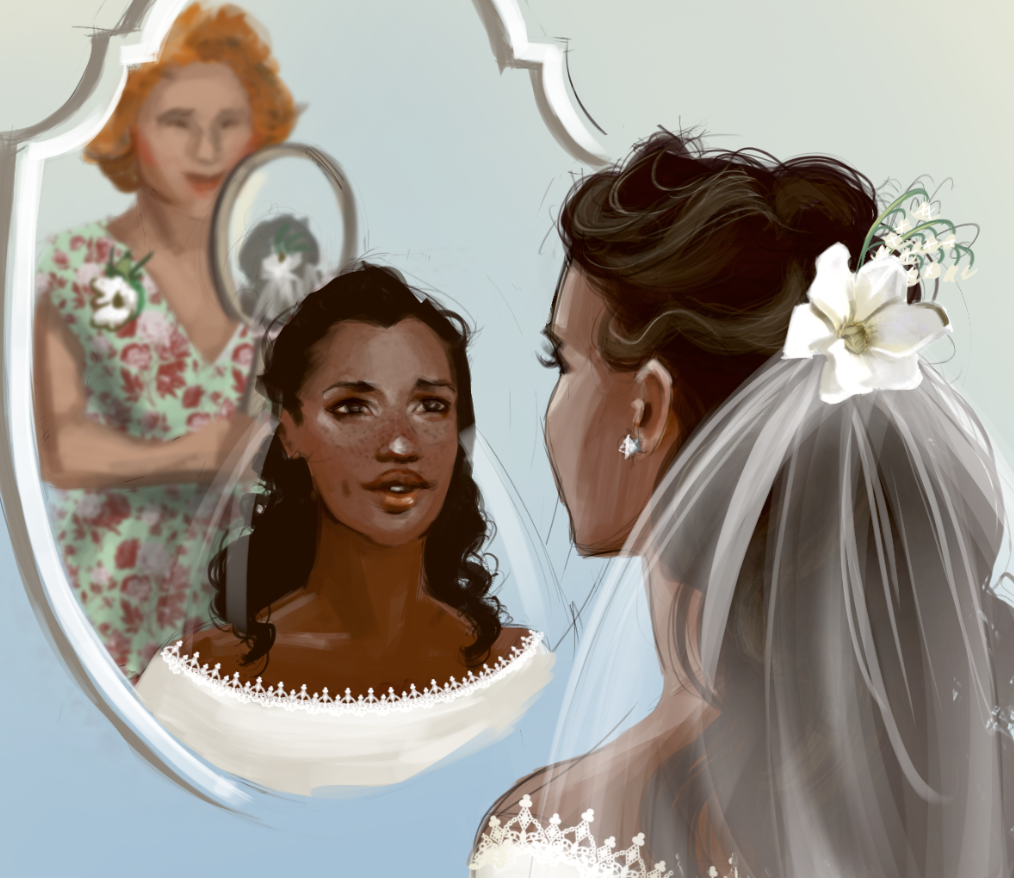
emmersdrawberry prompted Hermione Granger saying “Is that really what my hair looks like from the back?!” which I think is from the bit with the time turner, but I thought it would be fun to give her a moment with Mrs Weasley in the minutes before she gets married.
1. They know that automatic doors open by themselves, ut when they walk towards them they slow down just in case. Sometimes they hold out their hands and pretend it’s magic.
2. They adopt smaller animals and live with them in their homes, sometimes imitating noises and sounds in attempts to communicate.
3. When they see something funny on TV, they immediately repeat it, sometimes to other people who were already in the room watching to begin with.
4. When they like being around someone very much, some humans will take clothing items from the person to have their smell around when they’re gone.
5. Many humans will take their favorite foods away from their regular feeding areas and hold off on eating them until they are sufficiently comfortable and entertained, to maximize on the experience.
6. Sometimes, a human will associate a particular song with an individual or event, and the song will invoke deep emotional reactions.
7. While many humans prefer to sleep alone, a large number of them sleep better when in close contact with another human who they trust and enjoy the company of.
8. When a human is particularly engaged by an enjoyable task or hobby, sometimes they simply forget that their bodies require basic care to survive.
9. Sometimes the urge for them to sneeze suddenly disappears, and they become frustrated with their automatic immune responses
10. Some humans talk in their sleep, or make funny noises or breathing patterns.
11. When a human likes another human, they begin to imitate vocal patterns and mannerisms.
12. Humans come in a wide range of shapes and colors, and many humans will decorate themselves with flashy dyes or fabrics.
13. They will collect random objects with no set objectives in mind- they will gather items such as paper squares, lengths of fabric, puzzle games, and pleasantly-shaped rocks, which they will excitedly show off to other humans.
the most human postive post that could ever exist, I hope aliens find this post
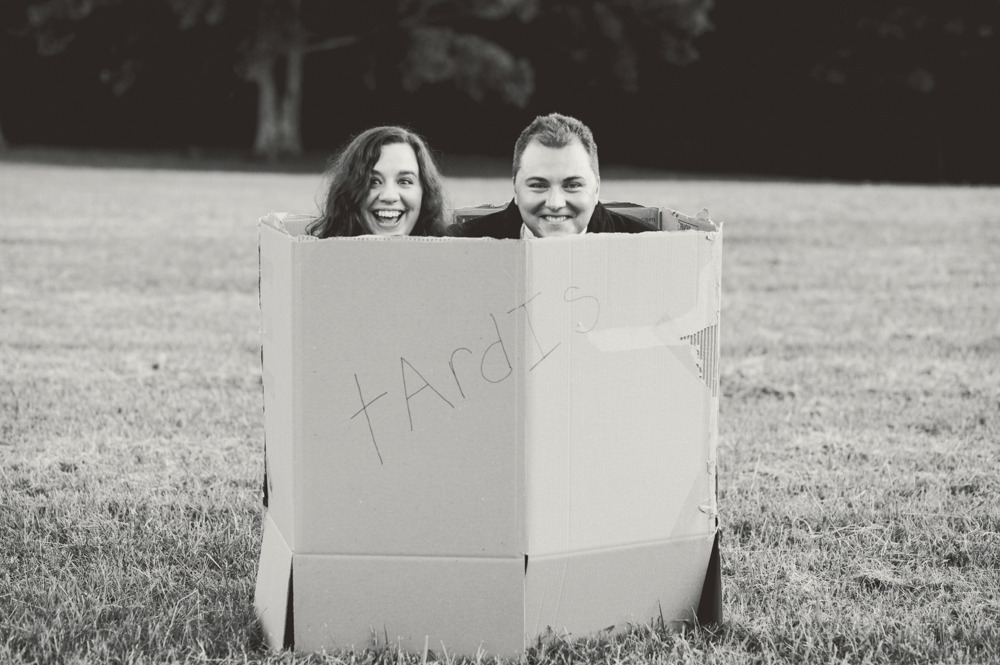
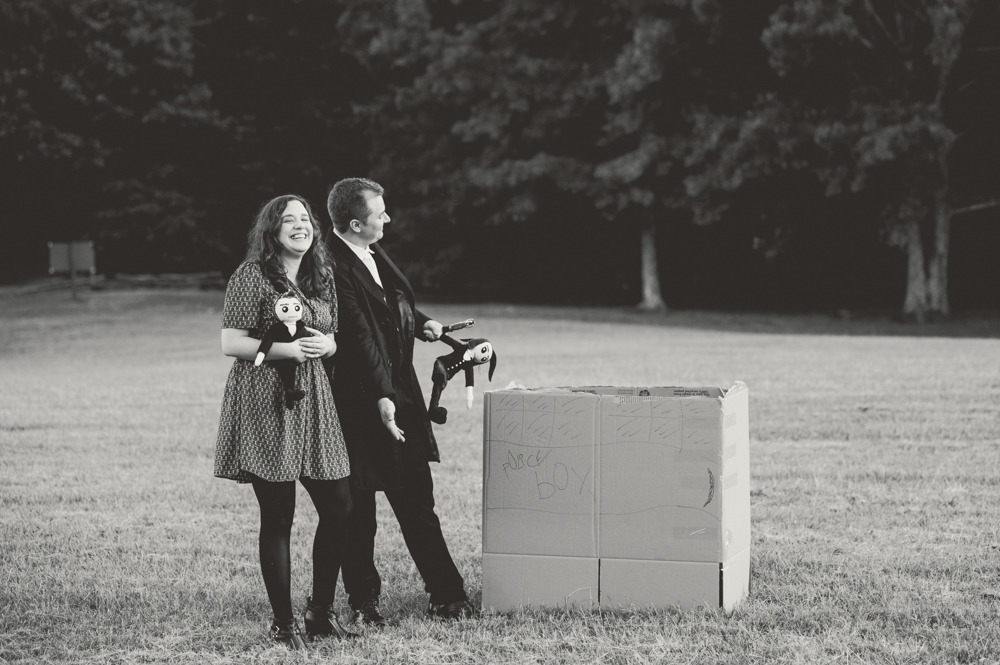
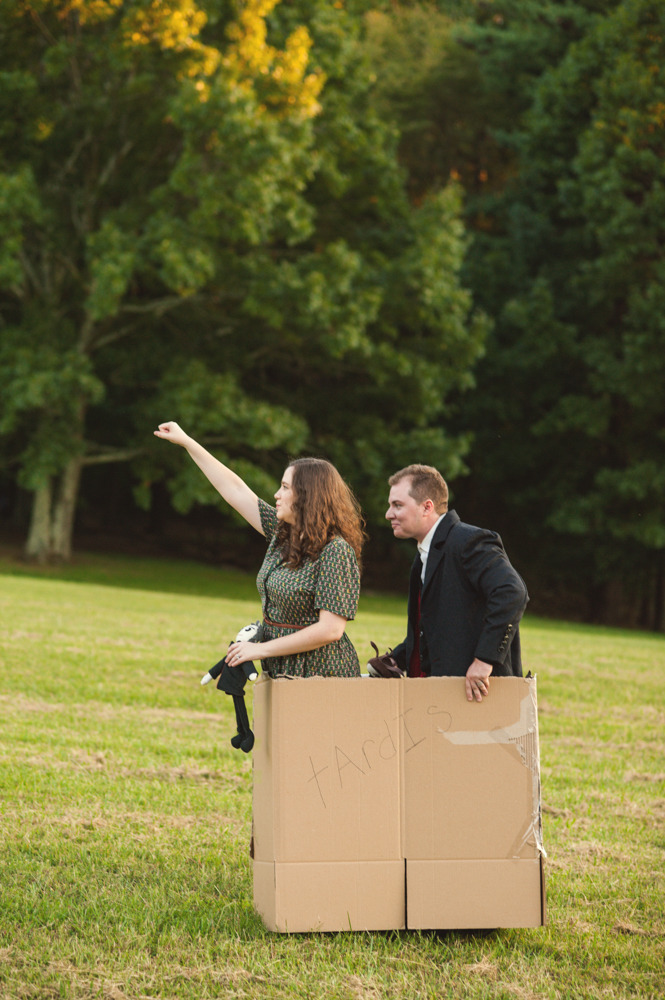
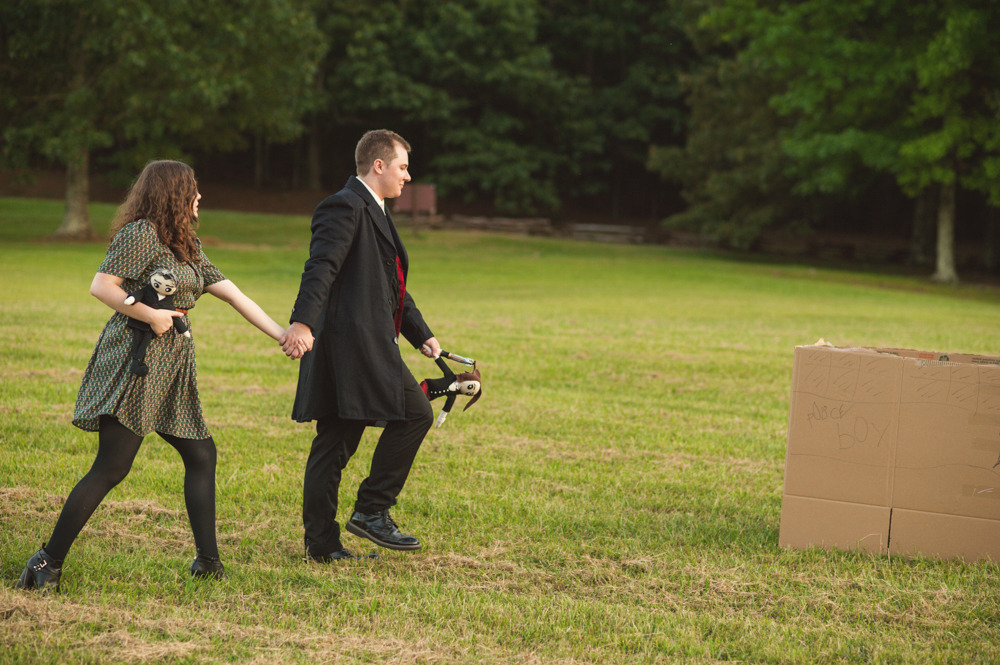
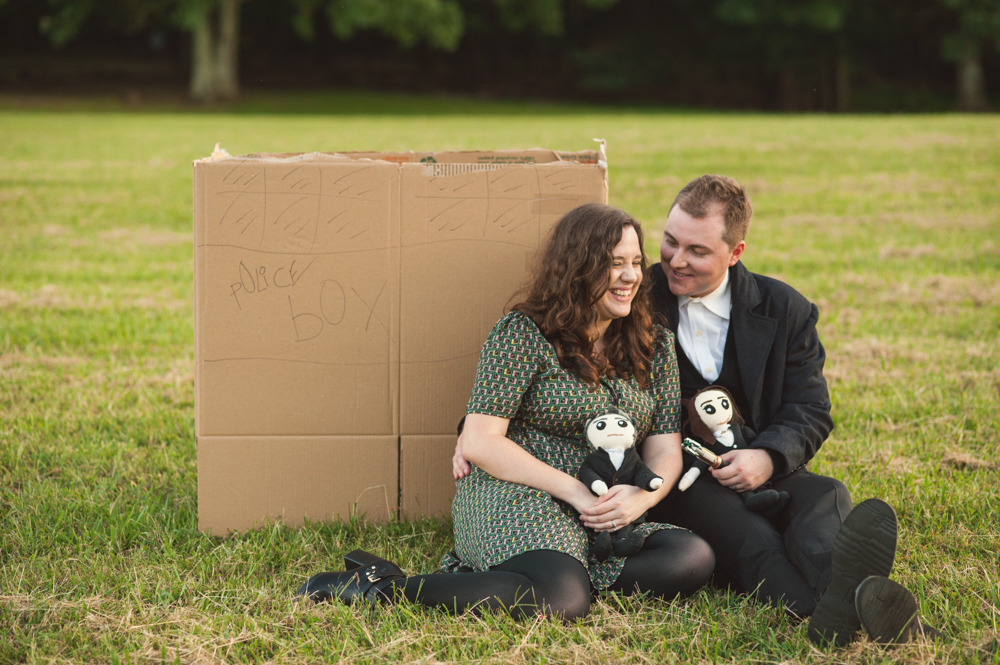
Yay, at last I can post the photos from our engagement shoot! This was shot by Raven Shutley of You Are Raven Photography, and she is absolutely LOVELY. I couldn’t be happier with how the shots came out. She is gloriously geeky and knew exactly what we wanted and how best to capture us as a couple.
From the Doctor Who/Whouffaldi portion of our shoot. Part 1 :)
I have a headcanon that it’s actually tradition for the Ravenclaw prefect to ‘not know’ the answer to the riddle when they bring up the first years for the first time. Because it makes the first years nervous so when the door asks a riddle (and the door makes sure not to ask such a hard one) the prefect turns around and says hmm, I’m not sure, and they all work on it together and it’s a lesson for the first years on teamwork and it also calms their nerves because they see that even the prefect doesn’t always know the answer