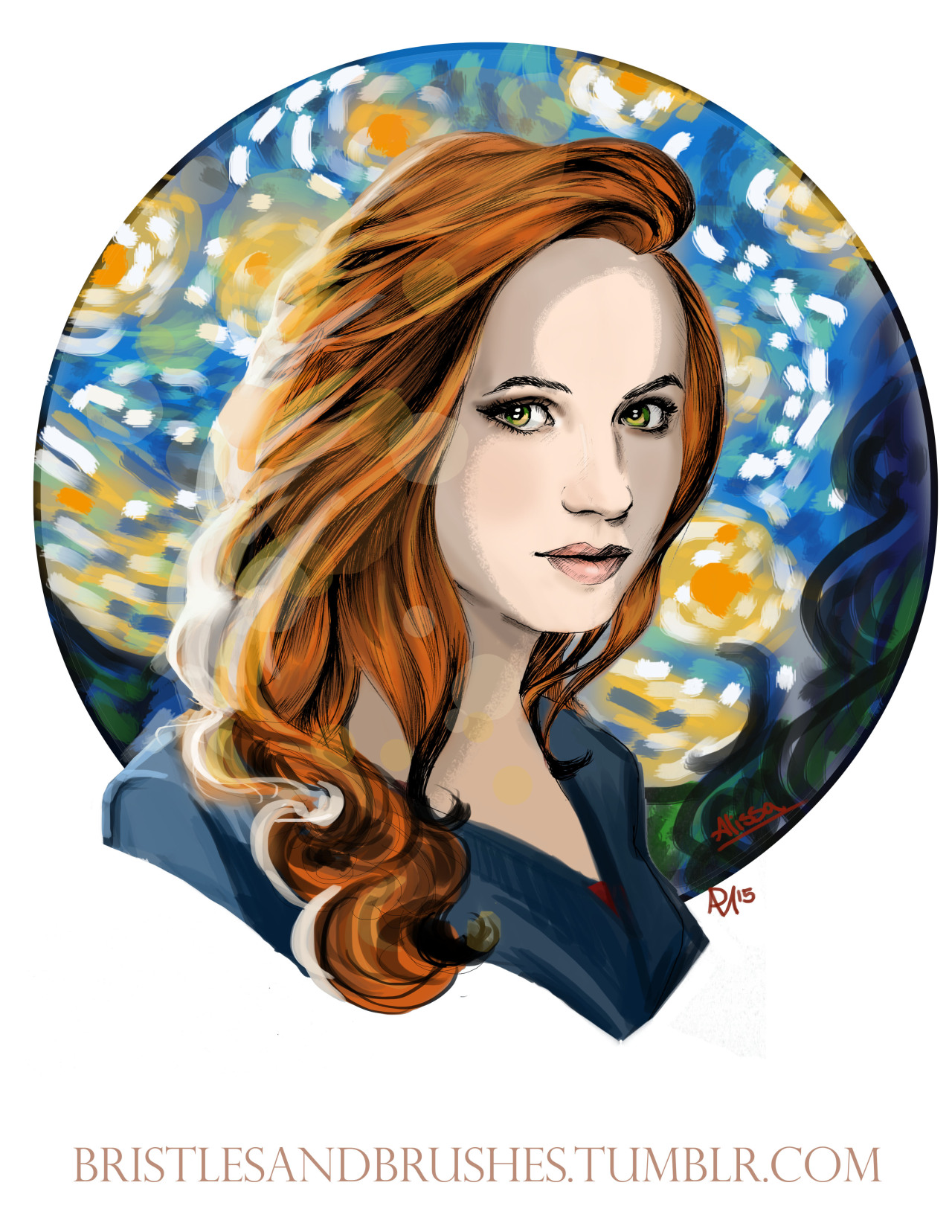
So I saw that Confessions post going round again, the one that claims that Amy has no character traits that don’t involve her job and her relationship to the three major people in her life (the Doctor, Rory, and River). And it occurred to me, somewhat belatedly—that argument is actually pretty ablist.
I think it’s fairly clear that Amy is not what you’d call neurotypical. Not only does she have multiple sets of memories, but she was essentially orphaned in two timelines, which probably left her with some sort of attachment disorder. (She certainly has a few of the symptoms, such as trouble processing her own emotions.) And on top of <i>that,</i> she was misdiagnosed throughout much of her childhood—possibly even with schizophrenia, although it’s never made clear. Amy’s ability to form connections has been impaired by her uniqueness, by her trauma, by the stigma of mental illness, and by the fact that virtually everyone around her misinterprets what’s going on.
Claiming that she is fake and one-dimensional because she is isolated, because she has failed to form “normal” connections—that’s not okay. Because there are people reading these comments who have had trouble forming bonds with others, who may worry quite a bit about whether their relationships are “normal” or “count”—and you just effectively told those people not only that their connections don’t count, but that they aren’t even real. That people who don’t come with a set of childhood friends are fake and unbelievable and should never have been written.
I hope it’s obvious why that message is not cool.
amy pond
Moffat’s characters are not people, they are paper dolls with a few defining features that are exaggerated so he can bend and twist them into whatever’s “necessary” for the plot without having to think about how they would actually be incorporated.
Except that’s blatantly untrue. All of his characters have consistent strengths and flaws that are explored in interesting and realistic ways. Clara’s bossiness and control freak tendencies lead her to lie and manipulate, but also to take command and initiative in stressful situations and save the day. Amy’s communication issues cause realistic and painful breakdowns in her relationship with Rory, but her love for him, and his perseverance, gives her the courage to be brave and talk to him, even though it’s hard for her. The Doctor’s fascinating relationship with guilt and responsibility and power has developed organically from Ten to Eleven to Twelve (and someone, maybe me, really needs to write a good meta on that). River’s timeline, especially when you put it in order, shows her becoming more confident, more sure of herself, and more in control of her own destiny.
I mean, let’s look at Amy. (I really hate the ‘not a person’ argument surrounding her in particular. I mean…no, she’s not a person, she’s a character, that’s obvious, but I can never shake the feeling that what people however-unintentionally mean when they say that is ‘Amy with her mental illness, occasionally fucked-up behaviour, and despair to the point of death-seeking when faced with losing a loved one are not traits real people have’ when….I can assure anyone of the opposite.)
Amy’s main character traits are: intelligence, keen observation and memory skills, general immaturity (which she grows out of), casual attitude to violence (which she also grows out of), fear of showing her real feelings (ditto), fear of abandonment (which she mostly grows out of), tendency to go to pieces in terrible situations, recklessness, practicality, empathy, and love for the people in her life. And that’s consistent throughout. God, if anything, her actions drive the plot in most of her stories!
In The Eleventh Hour, Amy’s observation and memory skills – her remembering Prisoner Zero’s true form – solve the main plot. (Yes, she’s encouraged to do so by the Doctor, but it’s also worth pointing out that without another of Amy’s character traits – her recklessness in entering a room she was told not to – she wouldn’t have seen Prisoner Zero’s true form in the first place.) That’s built upon in The Beast Below: Amy’s observation and memory skills (she even gets a Sherlock-style zoom into the eye to indicate This Is Amy Putting Together The Pieces Of The Puzzle), along with her empathy (”very old and very kind…”) and recklessness (”Going to need a hand!”) solve the main plot, and results in Amy doing what the Doctor couldn’t.
In Victory of the Daleks Amy’s empathy (”Ever fancied someone you know you shouldn’t? Hurts, doesn’t it?) and intelligence saves the day. Her human qualities in talking a man back to himself make her better qualified than the Doctor in disarming human-weapons. (Amy also tries the same trick in The Pandorica Opens with Rory, but ultimately fails) Amy is presented constantly as a very empathetic person, even though she tries her best to hide it. It comes pouring out every now and again – here, Vincent and the Doctor, The Girl Who Waited – though).
In the Angels two-parter, Amy’s intelligence, observation and memory skills (knowing when to pause the video) save her from the Weeping Angel. We also see a lot of Amy’s fears (abandonment, showing her real feelings…) in this episode. One episode later Amy is unwilling to show her real feelings to Rory, skirting around the issue of her unfaithfulness to him. Also in Vampires Amy kills Francisco, the episode’s secondary antagonist, downright casually. Although it’s not explicitly explored for a while (maybe it should have been? I don’t know) Amy’s attitude to violence and guns isn’t…quite what we’d expect from a modern-day Doctor Who companion. Two episodes later and she’s threatening the Silurians with a gun, too.
Amy’s Choice and Cold Blood both end with Amy losing Rory, and both times she goes utterly to pieces – she either turns cold, furious and practically suicidal in her desire to see him again (”Either way, it’s the only chance I have of seeing him again”) or screaming and desperate to save him even though her chance is gone. Amy does this in The Curse of the Black Spot when she thinks she’s lost him then, too. (Her choice in The Angels Take Manhattan is…really not surprising at all.)
Amy – and her memory and observation skills – save the day and the Doctor in The Big Bang, too. (If I could pick a fandom nickname for Amy, it would be “The Woman Who Remembered What Others Forgot”) The whole arc of Series Five revolves around her, her, her. (Good.)
Moving on-
I have BIG issues with the pregnancy arc in both conception (if you’ll pardon the pun) and execution, but Amy is written consistently throughout – both times that Melody is taken from her, she goes back to the blank-with-grief-and-rage Amy that we saw when Rory died in Amy’s Choice. She continues to be reckless – threatening River (a friend!) with a gun, for just one example. Her casual attitude to violence, her intelligence, her practicality, her empathy, they’re all still there (especially in The Girl Who Waited). Her ability to remember things also forms part of the plot in The Wedding Of River Song, and that’s where her casual attitude to violence also ends – she’s tormented about killing someone, even though the person deserved it. After that, she only ever holds a gun to make a point about not using violence on someone who deserves it (see: A Town Called Mercy) and she uses a stun gun to round up the dinosaurs in Dinosaurs on a Spaceship (having already stated “no weapons”).
I honestly can’t think of a single moment where Amy’s acted inconsistently to suit the plot. She has some set character traits, and she either operates within them as a character or plot-related happenings serve to make her grow out of them. You can get so much out of Amy’s story! (Or I did, anyway). And Clara’s, and River’s and Rory’s and Danny’s and the Doctor’s – it seems unfair to write even one of them off so entirely, let alone all of them.



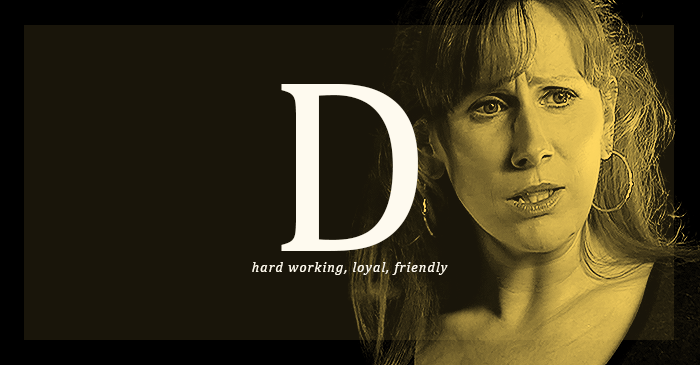
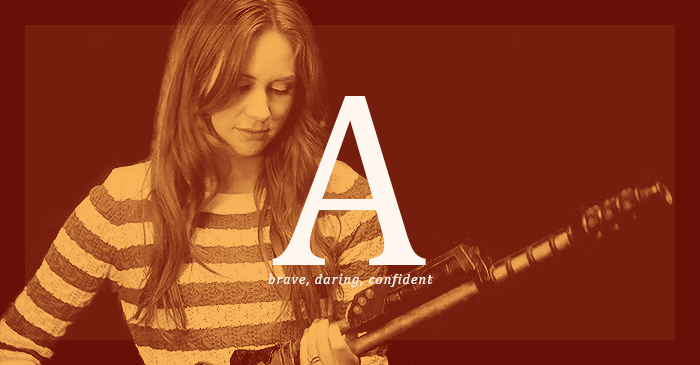
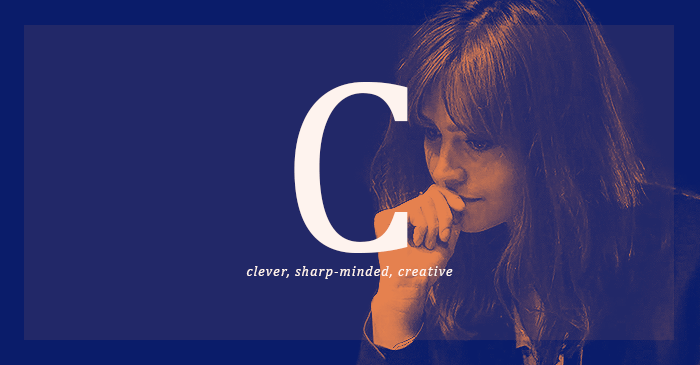
nowrunalong-archive-deactivated:
anonymous asked: What houses do you think the DW companions would belong to, respectively?
{ I will also accept Gryffindor!Rose (‘the valiant child’) and Slytherin!Clara (ambitious, resourceful, innovative) }
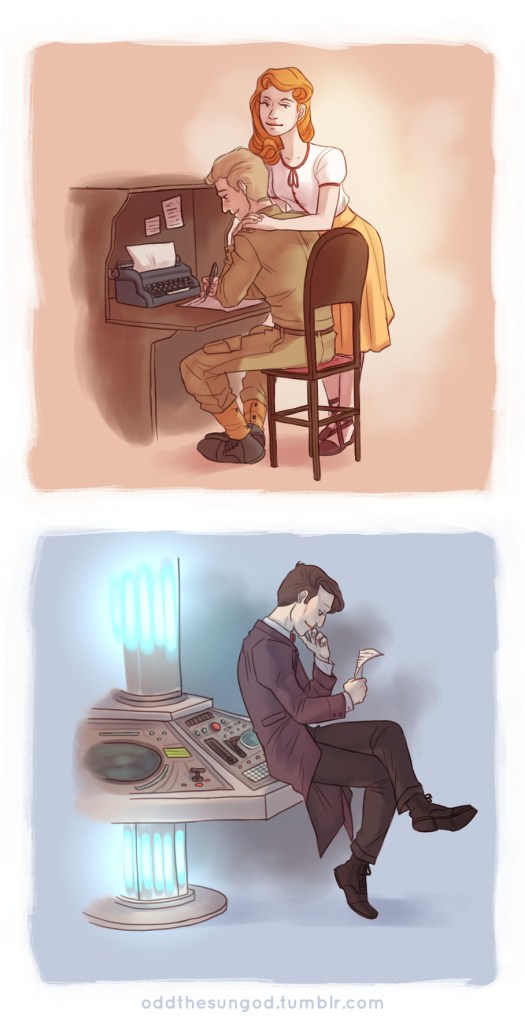
A commission for theilltemperedschism, who requested for the Ponds (circa the 40’s) after being sent back in time find a way to send the Doctor letters telling him about their lives, it’s based on her fic “Epistolary: The 50 Years Before We Were Born“ (psst go read it) <3
This is so beautiful. It is literally everything I could have hoped or ask for. I’m over the moon, thank you so much oddthesungod! I could not be happier.
I love that Amy is looking at us.
happy international women’s day!!!!!Today, March 8, is International Women’s Day! We’ll be celebrating all day by reblogging the companions, friends, historical figures, and amazing women that have been featured on Doctor Who and who inspire us. Who are some of the women of Who that inspire you?
I really like the idea that Tabetha and Sharon are sisters.
Me too, and I sort of like the idea that they were estranged sisters, for whatever reason. That one day, in one universe, in one timeline, Sharon is suddenly the legal guardian of a niece whom she’s never met, the child of a sister she didn’t like, a strange little girl sprouting rubbish about cracks in walls and impossible things-
-you know, we never see Sharon showing any sort of affection to little Amy at all? The most she does is hold her hand whilst walking. But that’s it, no hugs, no kisses, no hands on shoulders, no bothering to stay in the house while she’s sleeping…nothing. And that was, for a long time, the only parent she had. No wonder she latched onto the Doctor so quickly.