The more things change, the more they stay the same
Anti-woman propaganda in 2022:

(I’m told she’s actually 15 years old in the “look how sexy she was before” photo)
Anti-woman propaganda in 1910:

Anti-woman propaganda in 2022:
(I’m told she’s actually 15 years old in the “look how sexy she was before” photo)
Anti-woman propaganda in 1910:
I can’t reblog the post because op blocked me but there’s a post going around to the tune of “this women’s march was organised by black, latina and palestinian women activists but white women just wanna be cissexist and talk about their pussies” and I’m actually furious.
1) Do you honestly think woc don’t have vulvas? That we are somehow unaffected by anti abortion laws and laws making it harder to access birth control? Do you think that our activist struggles are somehow unrelated to the exploitation of our bodies and reproductive labour? Do you honestly not think that a single woc has ever held a “get your rosaries off my ovaries” sign? lmao
2) Sentiments like these show a clear lack of knowledge (or maybe simply a lack of care) about our histories with regards to slavery and colonialism. There is a very long and painful history of black women’s bodies being used as a means of economic production during slavery, of native women being raped to further colonialist expansions in the americas, of poor immigrant latinas being sterilised in prisons. Our oppression differs from that of our men because of the exploitation of our reproductive capabilities so to act like any discussions of this is a “white thing” is so incredibly insulting especially considering the pain of our foremothers.
3) This is just neoracism. Racialized misogyny with an approved progressive stamp. It’s clear that our experiences, our histories and our realities mean nothing to these people as we are merely a prop in their antifeminist attempts to silence women and obscure the realities of our oppression.
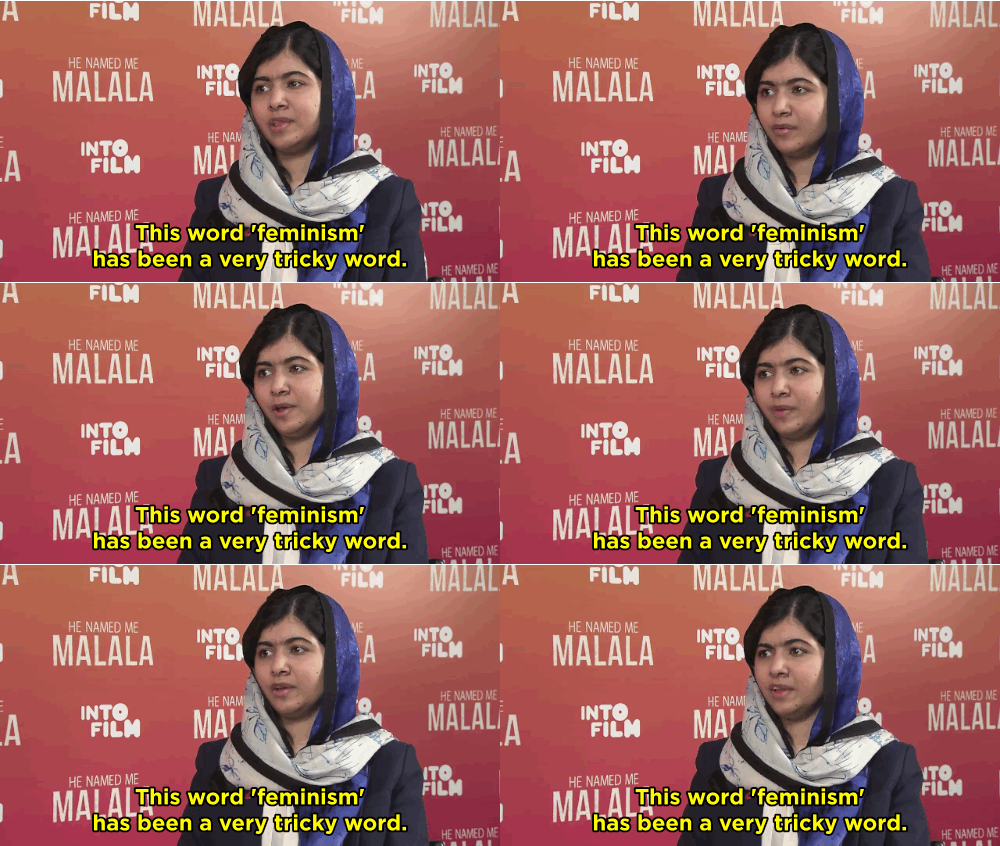
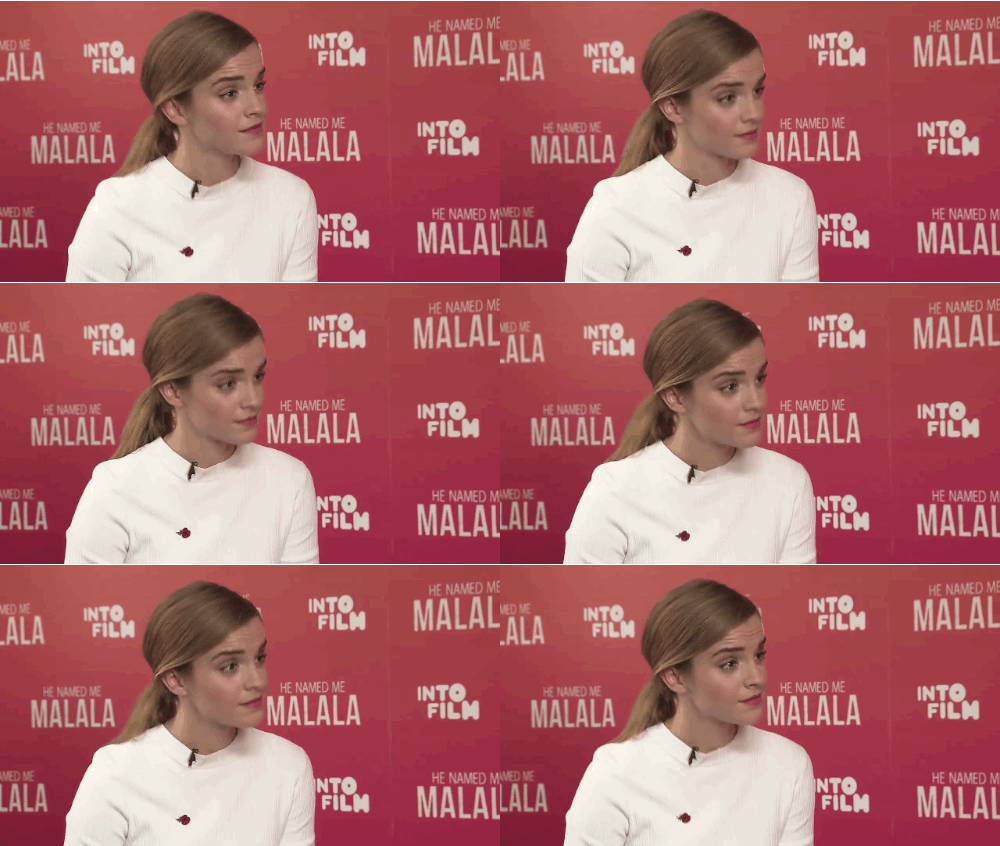
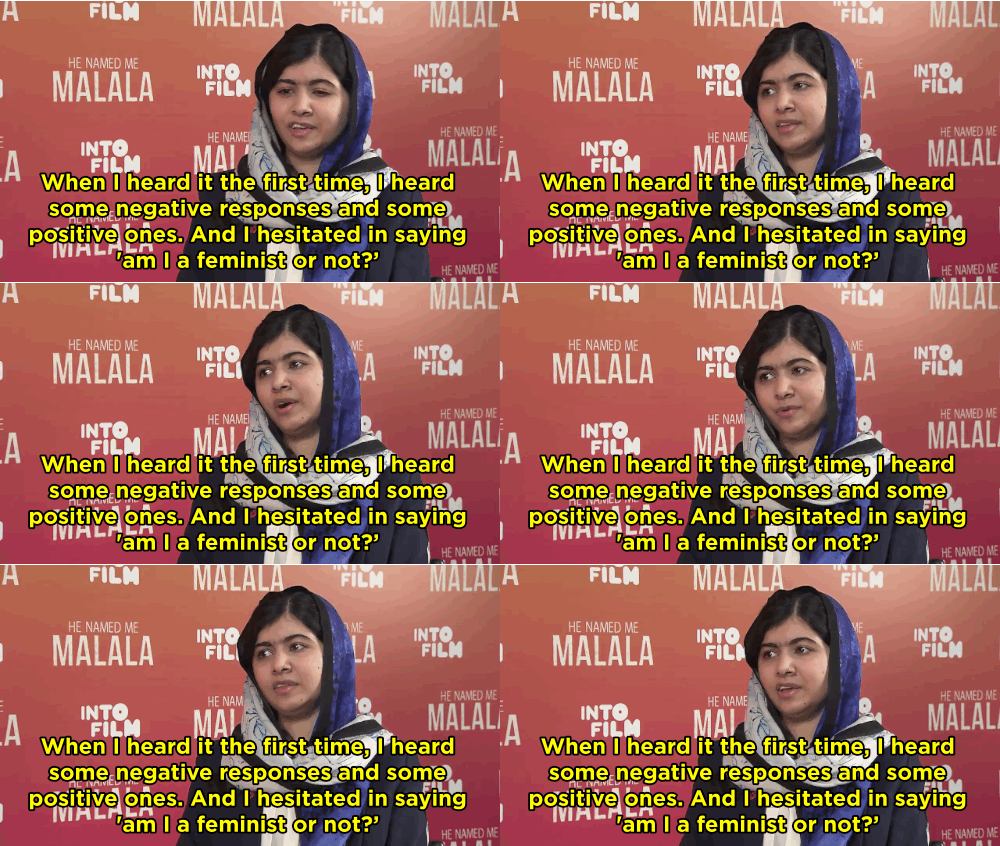
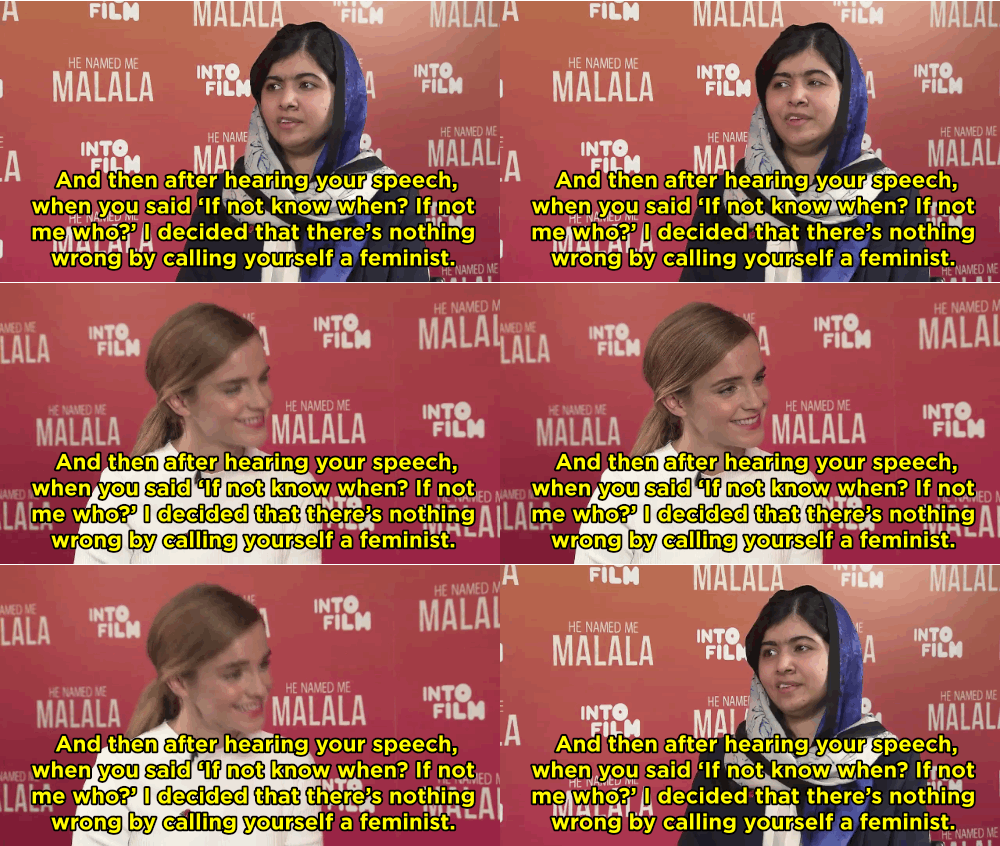
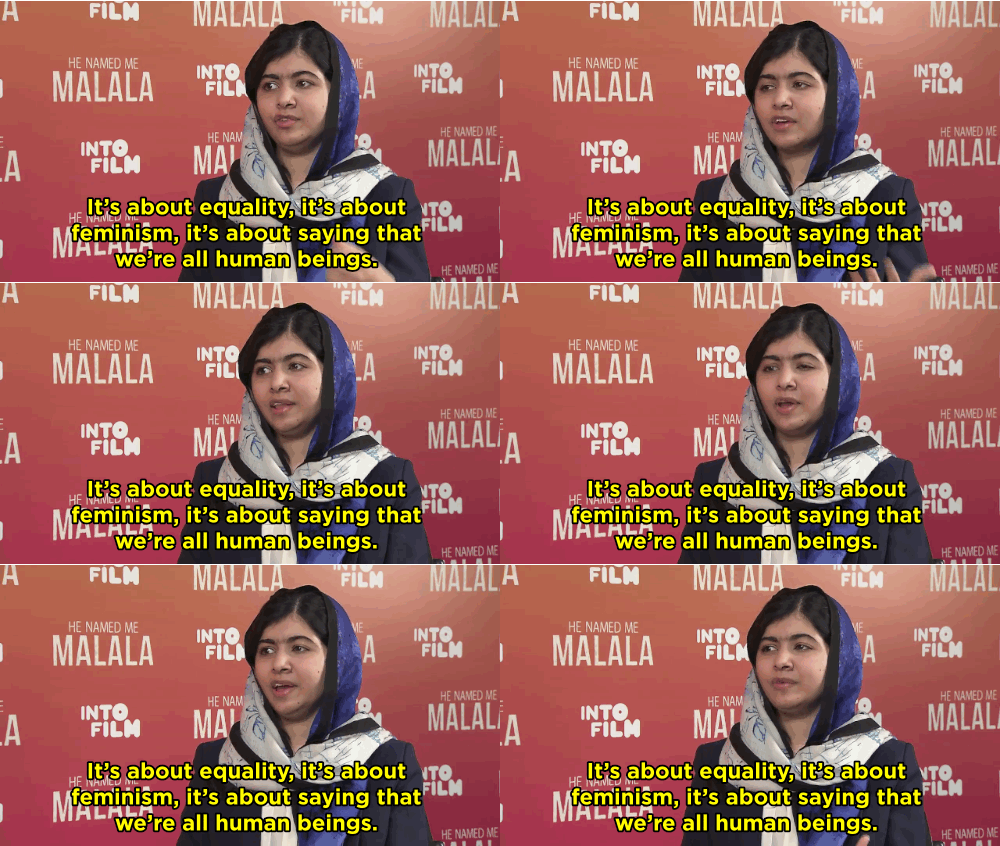
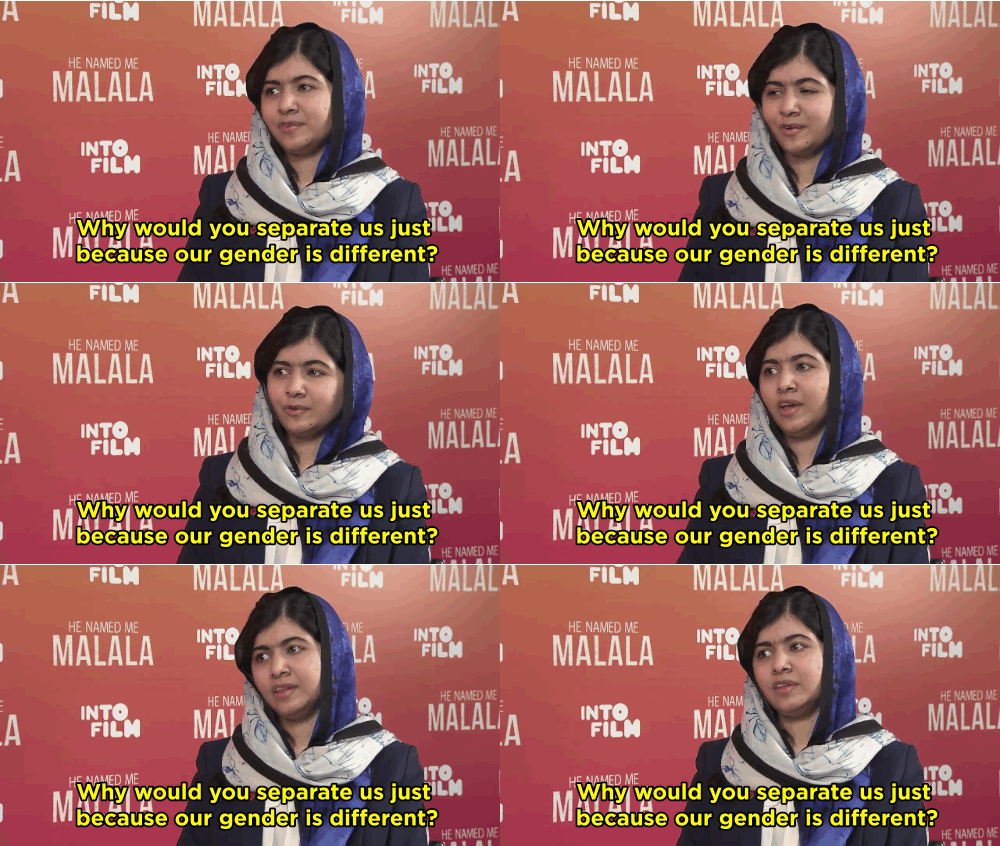
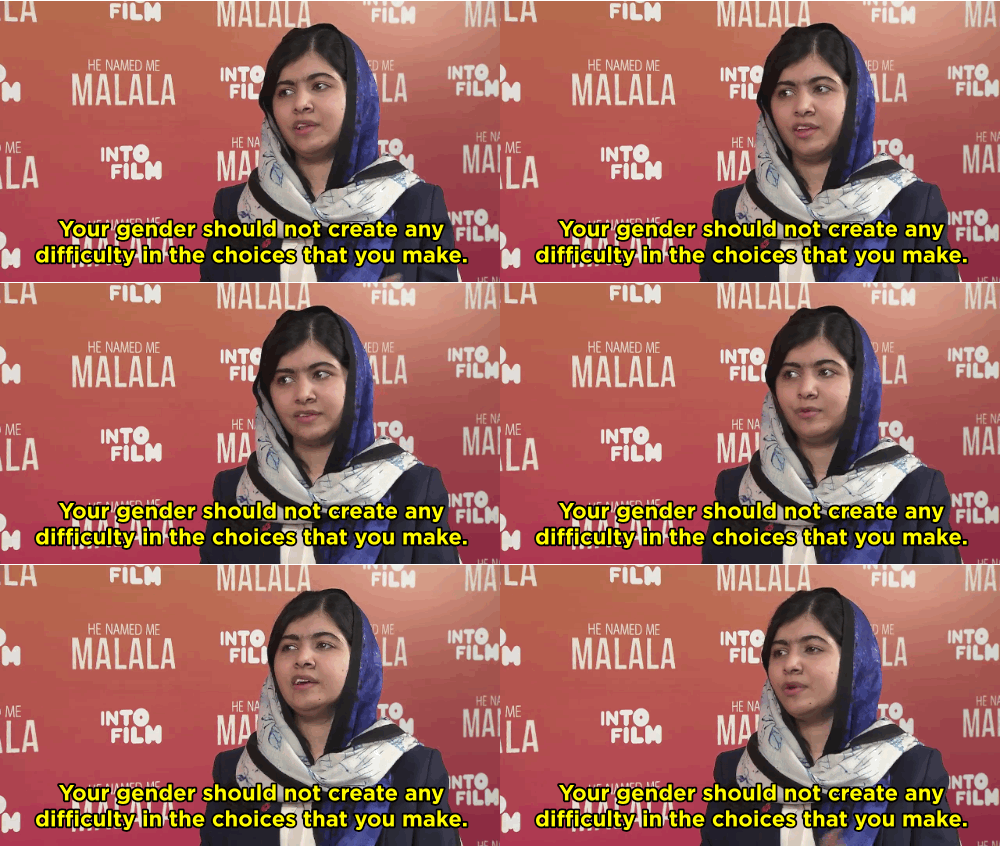
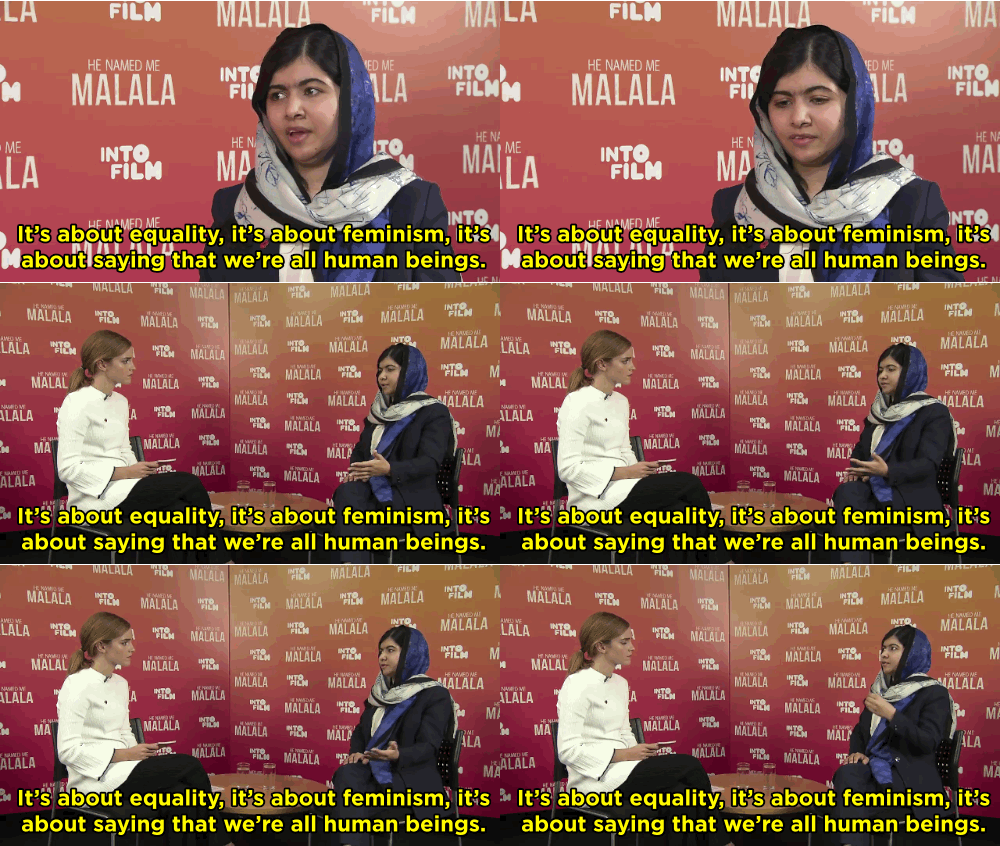
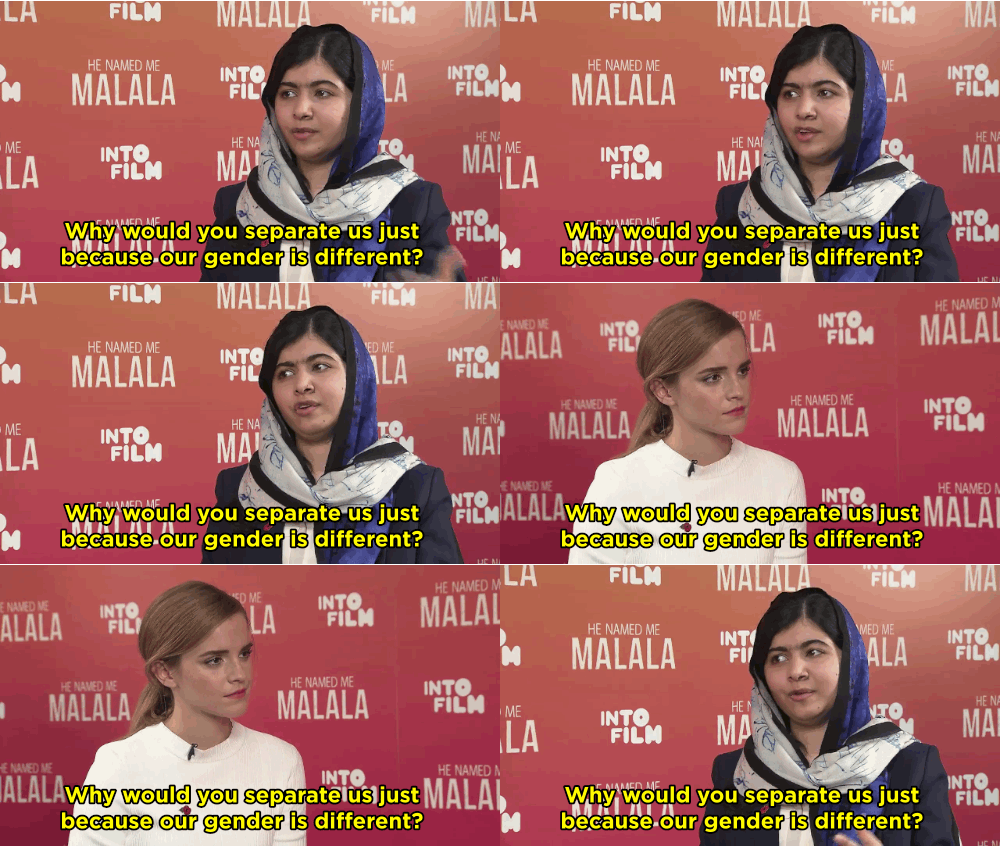
Malala Yousafzai Tells Emma Watson: ‘We Should All Be Feminists’
Two of our favorite young feminists sat down to discuss gender equality – and it was awesome.
This is legendary.
SEE THEY ARE SUPPORTING EACH OTHER.
STOP PUTTING ONE DOWN IN FAVOR OF THE OTHER AND LOVE THEM BOTH FOR FIGHTING FOR CHANGE AND BEING AMAZING!
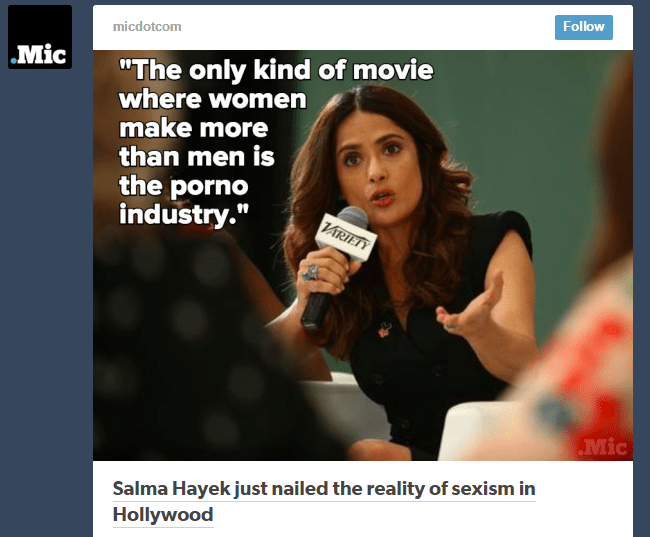
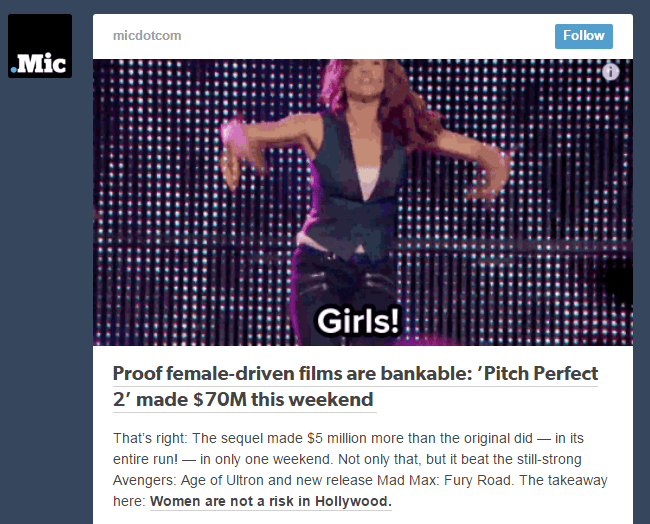
So…which one is true, feminism?
Basically: One movie doing great doesn’t remove sexism.
Both are true. Hayek’s quote was referring to Hollywood’s well-documented gender pay gap. Women are not getting the equal recognition and compensation they deserve behind the scenes.
The fact that female-led movies like ‘Pitch Perfect 2′ and ‘Max Max: Fury Road’ did well doesn’t suddenly make the aforementioned inequality go away. These films show that women are good for business in Hollywood — and can make studios a lot of money. But the industry hasn’t come to realize it fully yet.
The first quote references to
how much money women make, not whether or not the films are successful. The movies I’ve researched contract offers have usually shown the men get paid more than the women. Sometimes this makes sense given experience, other times not so much.
They really thought they dropped the mic, didn’t they? I also love how they addressed “feminism” as if its a monolithic entity.
In January of this year, a mere 4½ months ago, Charlize Theron made headlines when she, after 20 years in film, an Oscar, a Golden Globe, a Silver Bear and numerous other awards and nominations for her acting, demanded that for the Snow White and the Huntsman prequel she receive the same $10 million salary that her co-star, Chris Hemsworth, was getting.
There was an outrage. Charlize was called greedy, grasping, and people tried to make an argument that she, despite her well-documented skill as an actor, was not the box office draw that relative newcomer Hemsworth is. This was of course built upon the box office for Chris’ Marvel films, but his first big post-MCU flick, Blackhat, the film that was supposed to establish him as an action star separate from the comicbook juggernaut, was an abysmal failure, netting a mere $17 million worldwide. His “Snow White” prequel paycheck is more than half of the worldwide box office of the film. Meanwhile, Charlize is the protagonist of Fury Road which has made $280 million in 2½ weeks, which isn’t comicbook movie money, but very few films make comicbook movie money and films from other genres shouldn’t necessarily be compared to them.
In 2014, the highest earning actor was Robert Downey Jr, who raked in $75 million courtesy of his multi-picture MCU contract. His two 2014 feature releases, The Judge and Chef didn’t make it into the top 50 on the yearly box office list. The second highest earning actor was Dwayne “The Rock” Johnson, whose $52 million in earnings don’t really correlate with box office as his sole feature film release was Hercules which ranked 46th for the year with a cumulative box office of just $72 million.
The third highest earning actor was Oscar and Golden Globe winner Sandra Bullock, who made $51 million in carryover from her 2013 release Gravity for which she was nominated for all the major awards, and also from her production company and restaurant and event planning endeavors.
To get to another woman you have to skip all the way down to #11 on the overall list, where you find Oscar and Golden Globe winner Jennifer Lawrence, who made $32 million. To get that, she had to star in two of the Top 10 grossing films of the year, (#2 Mockingjay and #9 X-Men Days of Future Past) and the #1 film of the previous year (Catching Fire).
Compare her to men who ranked higher: Leonardo DiCaprio, the aforementioned Hemsworth and Will Smith, whose earnings were all carryover from prior years.
Men in Hollywood outearn all but the highest echelon of genre-crossing, award winning, highly acclaimed and personally economically diversifid women in years when they haven’t even made any movies.
If pay equity in Hollywood existed, the 2014 highest earnings list would include Zoe Saldana, Cate Blanchett, Halle Berry, Anna Paquin, Elizabeth Banks, Nicola Peltz and Sienna Miller, and not just their male co-stars from the top 10 highest grossing films of the year. The only other woman on the top 10 earning actress list with a top 10 film was Angelina Jolie, whose $18 million in earnings doesn’t even put her in the top 25 of actors overall, and includes her earnings from directing Unbroken as well as starring in Maleficent.
Numbers don’t lie. In Hollywood, the wage gap is writ in large scale.
I’ve seen a couple posts over the past few days trying to answer the question, is X work of fiction more feminist than Y work of fiction? Which really made it clear to me why feminist* media criticism is such a disaster.
[*my larger point applies to other types of media representation, but this is an issue I see most directly with explicitly feminist-labelled critics.]
Most of the feminist media criticism I’ve seen is all about dividing fiction into categories of “pure” and “impure”. Is this work Objectively Good For Women? Compare to this checklist of Optimal Female Character Tropes and find out! Hence, the bitter debates about Game of Thrones or Age of Ultron: Both have their good points and their bad points (although I felt AoU was pretty innocuous from a feminist perspective and I’m not sure what all the fuss is about), but that makes them hard to systematize. “I dislike this specific aspect of GoT” isn’t controversial. “GoT is objectively good/bad for feminism” is.
And then you get questions like – should we portray worlds where misogyny and sexual violence are a regular fact of life, because that’s a reality for lots of women, or should we write escapist fantasy that gets away from all that? Should women in feminist works of fiction have stereotypically female weakness provided that they’re already well-rounded characters, or should they subvert those tropes even when they have some basis in reality? And the problem here is that the answer to these kinds of questions is, obviously, yes. Give us everything.
No book or movie or TV show can be all things to all people. Nor should it. Some women want to read about fantasy matriarchies, and others want to see characters with their life experiences portrayed in a positive light for once, even as they’re victimized, and some of us couldn’t care less about gender as an axis of representation and are perfectly happy playing in the corner with our unnecessarily complex world-building. There’s no point in asking if the approach one things takes is Objectively Best For Women. No such animal.
And every time you tear something down for being not feminist enough, even if it has real problems with the way it portrays women, you’re probably hurting someone who did find something meaningful and important in it.



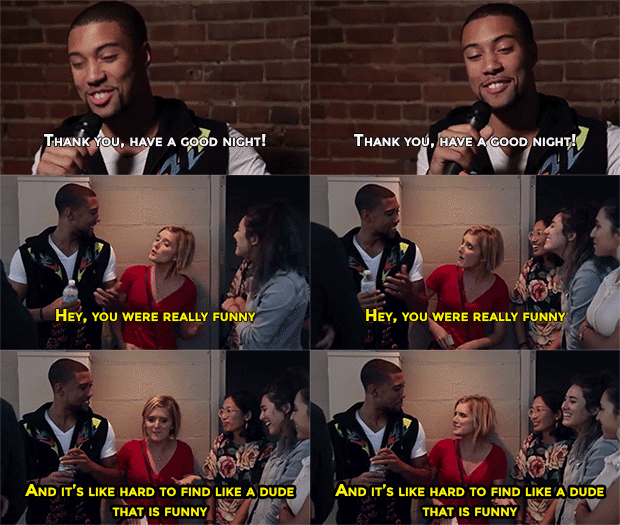

every woman on tumblr should have this on their dash
And every man
Look how nobody’s yelling or arguing or making things into a competition. Look how this is to straight up educate people through a different perspective. Look how effective that makes the message.
The last one really hit me. I never really thought about something like that could actually impact a woman’s life. Damn…
love that post with all my heart
Some of the male comments for this video are horrible and sexist
This is one of the most effective feminist posts I’ve ever seen.
Not art but important social commentary
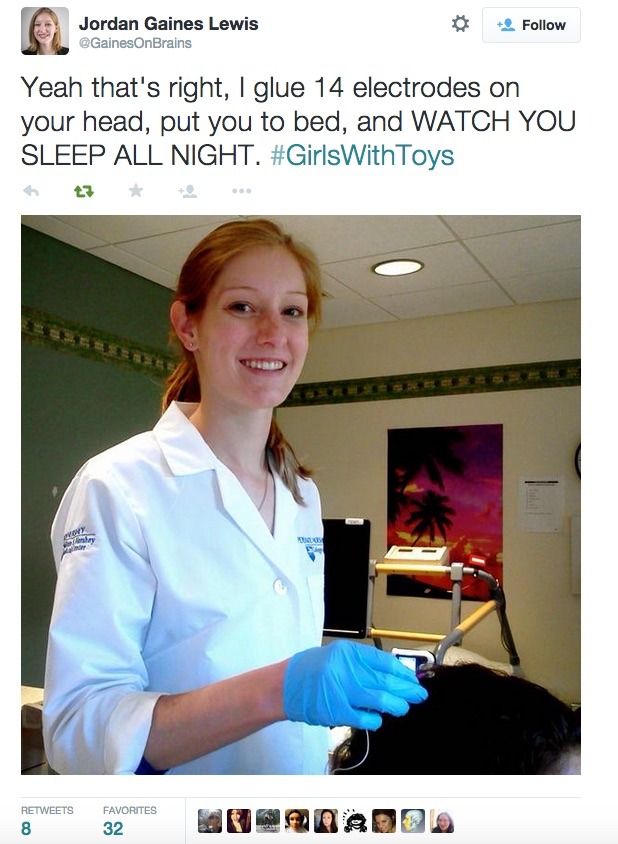
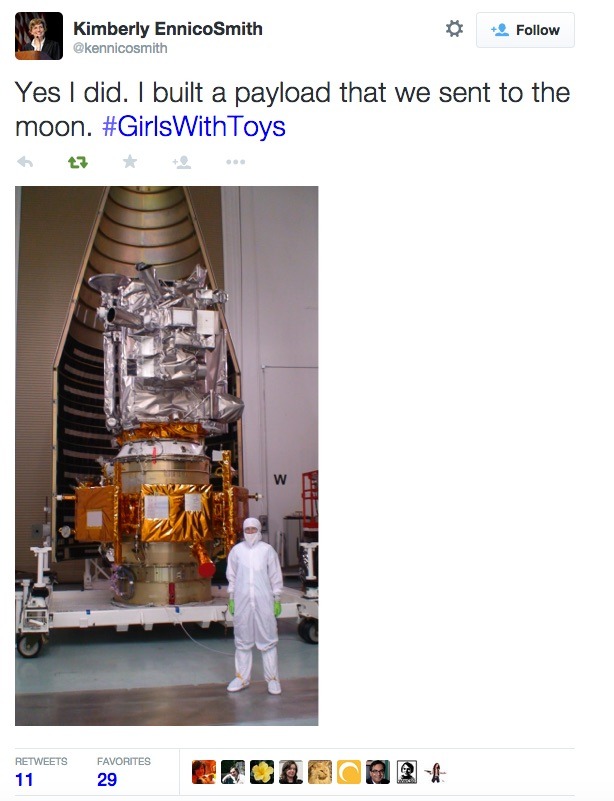
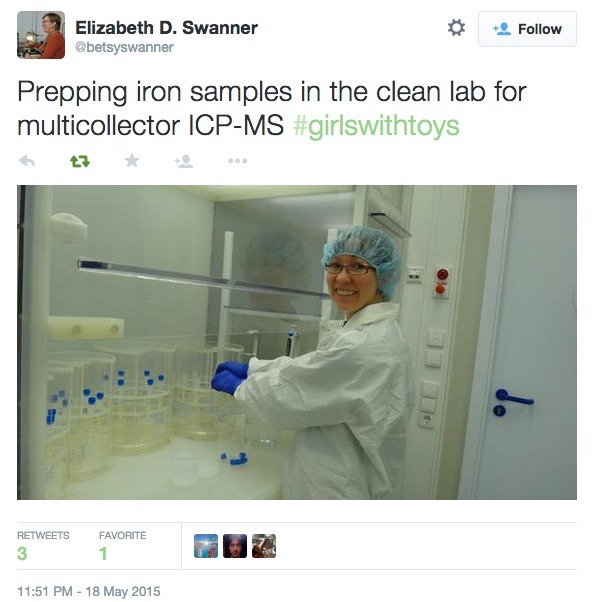
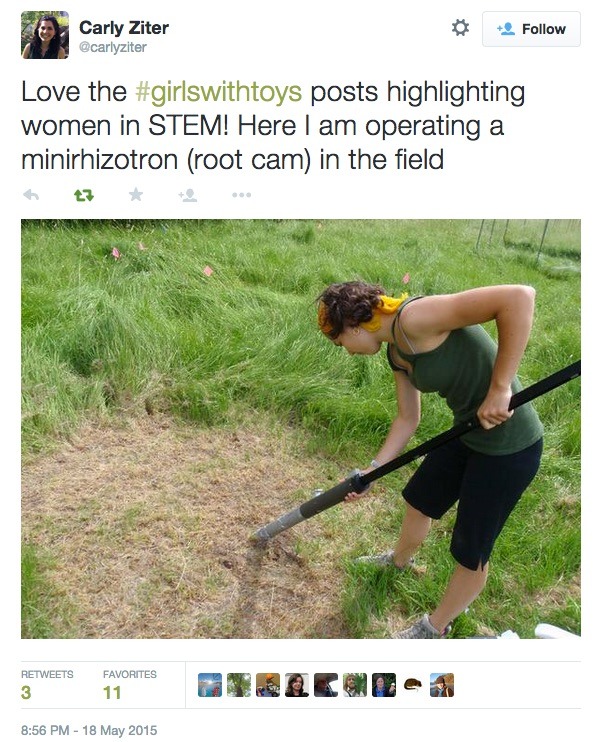
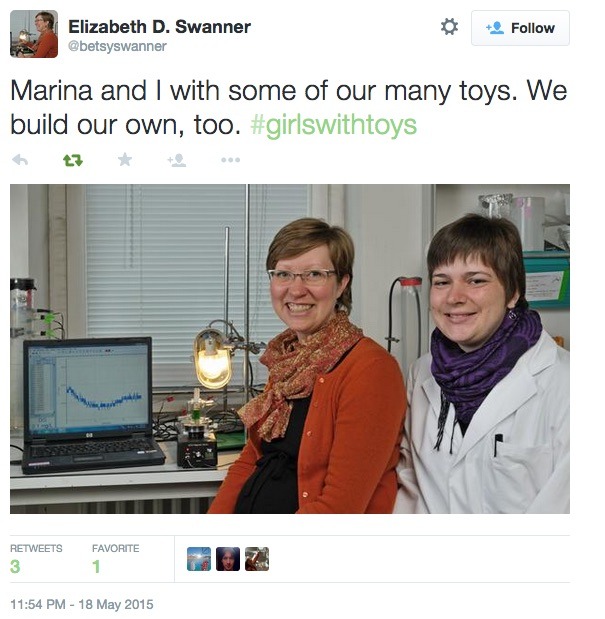
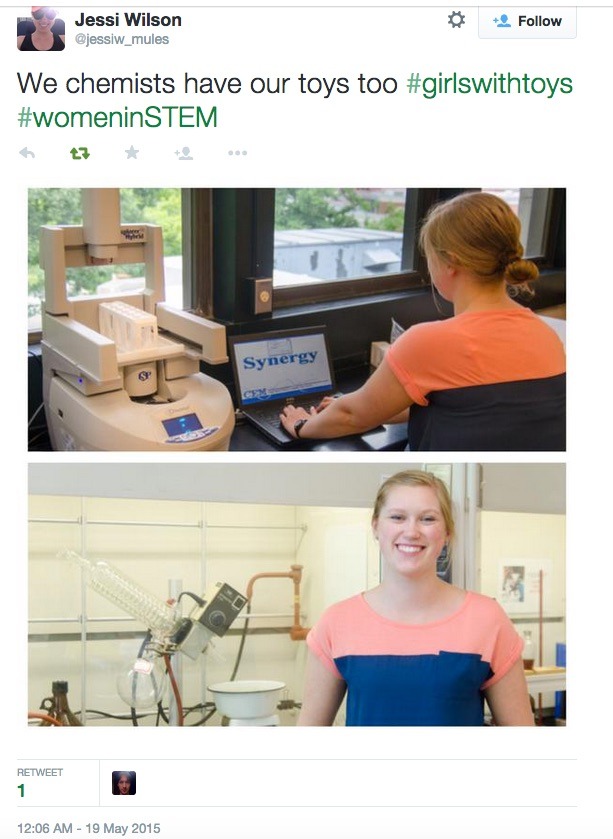
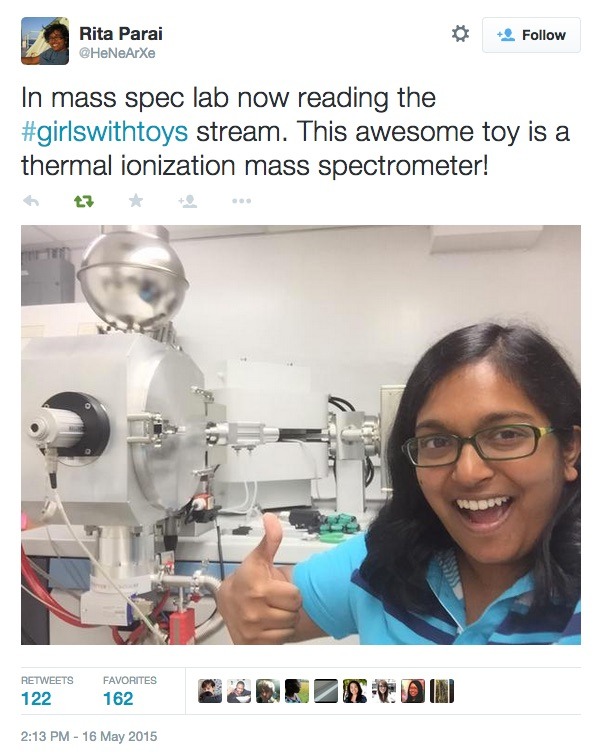
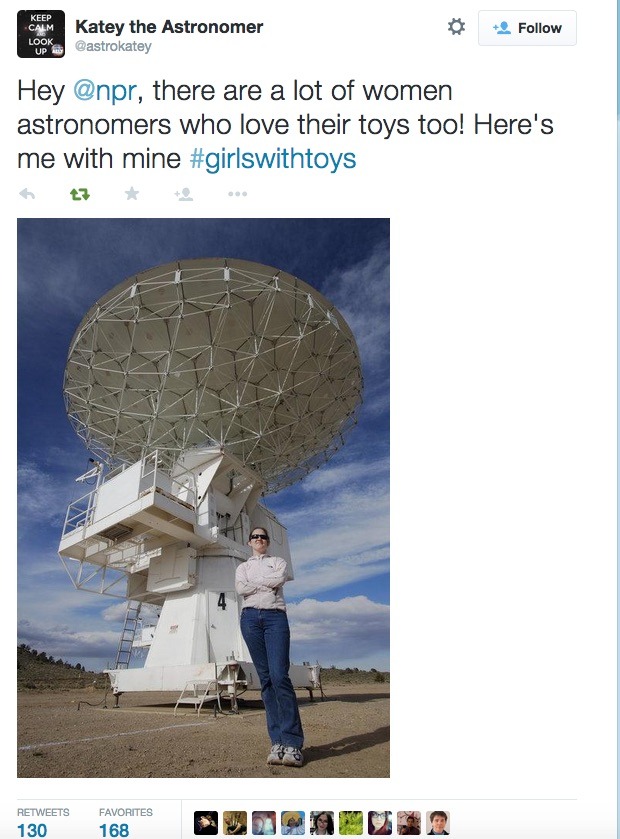
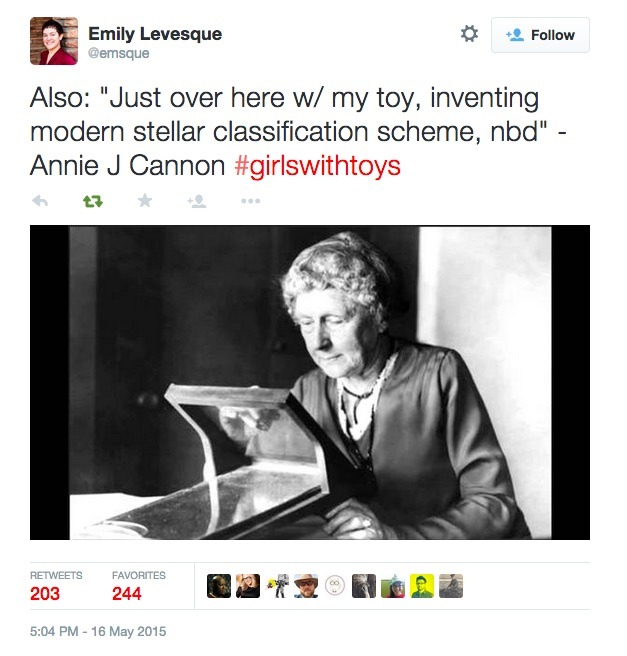
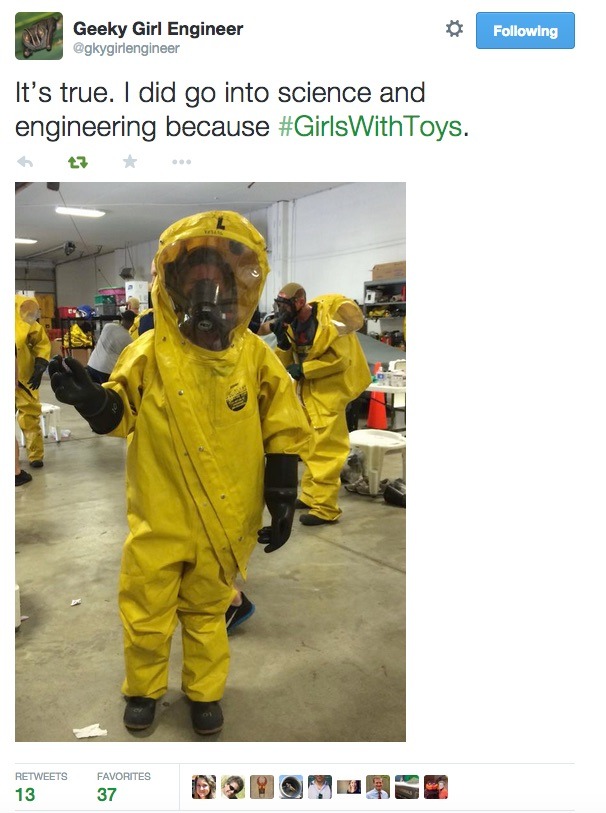
One of my favourite twitter trending topics I’ve seen in a while: #GirlsWithToys.
This came as a response to an Astronomer’s remarks that Scientists are ‘boys with toys’.
Glad to see such a strong response from the women of STEM. :)
Writing posts or tags about female characters being flawless and wonderfully and how they take no shit and all that, that’s good, that’s important, but at some point we have to produce fanwork about them. Like fic or meta or fanart or fanmixes or prompts or comments on stuff about them or rec lists or ANYTHING, because I’m not here to tell you how to do fandom (I say in a post where I’m telling you how to do fandom) but there’s just this gap that’s happening between the “yay ladies!” rhetoric that happens across fandoms (we’re not even gonna address the “boo ladies!” factions, we’ll have to save their souls in a different post) and the amount fic/meta/graphics produced for them.
And also the kinds of works produced for them—I’d rather have works centering on Pepper’s kidnaping and forcible injection of Extremis than another gifset of her fresh from the flames, not because I want to romanticize her pain or devalue her strength but because I’m wary of romanticizing her strength and devaluing her pain. Pain is how we connect to characters. Their suffering and their mistakes are what make them dynamic, and interacting with the difficulties of these characters’ lives is what creates a vibrant fandom. It’s like when suffragettes were agitating for votes and men were like, “but it would corrupt women to enter politics! You’re too flawless and pure to be tainted by the outside world!” And the ladies were out there marching and screaming, “Sometimes we want fucked up h/c about Natasha too!” Or something like that.
Supporting female chapters for being awesome and flawless queens something I’m so here for, especially for the kinds of women that fandom is so quick to demonize, but I’m not about this pedestal.
Saying that pushing for better representation and speaking out against sexism in movies is “the worst thing [he] can do” reads as Whedon throwing his hands in the air and saying “I’m happy to pay lip service to ‘feminism’ but you can forget about me rolling up my sleeves and encouraging my colleagues to do better, and also it’s too hard for me to make the gender politics of my own pictures better”. It suggests that he thinks it’s all just too much trouble.
It doesn’t have to be this way. Look at James Cameron, who has insisted upon featuring a prominent, strong and complex female lead in nearly every single one of his films (and TV series), as this piece by L.A Times film critic Betsy Sharkey should remind you: “It’s not merely that his films are populated by strong women – they’ve been saving mankind since his first, 1978’s 12-minute sci-fi short Xenogenesis. What makes him a potent feminist force is the way he rides the mood swings and internal debates of the movement’s second and third waves, exploring what women want, how they define themselves and how society values their worth.”
With this in mind it’s worth noting that Cameron has never dined out on his films’ gender politics, nor expressly identified as feminist. He instead just focuses on doing the work. There are other male filmmakers, like Hayao Miyazaki, Pedro Almodóvar, and Alfonso Cuarón, who are doing this, but they are, inevitably, not the ones who get widespread media kudos for being “proud male feminists”.
In 2006, at his Equality Now tribute address, Whedon famously offered an imaginary interview, where the ‘journalist’ pressed him on the gender politics of his work. Continually badgered with the question “Why do you write these strong women characters?”, he responded in a number of ways before concluding, “Because you’re still asking me that question”.
A better response might have been, “Because as a powerful white male screenwriter and director, I am the dominant paradigm in Hollywood, and it’s up to me to ensure on-screen diversity until I can help create opportunities for female filmmakers.”
It’s not enough to simply throw around a few feminist buzzwords on social media; as the man at the helm of a movie that will make billions of dollars, Whedon is in a position to insist upon real change.
Whedon is just one example, but the important take-away is this: if they’re going to insist on continuing to refer to themselves as feminists, it’s time for these powerful men to step up.
Feminism is not about who opens the jar.
It is not about who pays for the date. It is not about who moves
the couch. It is not about who kills the bugs. It is not about who
cooks the dinner. It’s not even about who stays home with the kids, as
long as the decision was made together, after thinking carefully about
your situation and coming to an agreement that makes sense for your
particular marriage and family.
It is about making sure that nobody ever has to do anything by
“default” because of their gender. The stronger person should move the
couch. The person who enjoys cooking more, has more time for it, and/or
is better at it should do the cooking. Sometimes the stronger person is
male, sometimes not. Sometimes the person who is best suited for cooking
is female, sometimes not. You should do what works.
But it is also about letting people know that it is okay to
change. If you’re a woman who wants to become stronger, that’s great. If
you’re a man who wants to learn how to cook, that’s also great. You
might start out with a relationship where the guy opens all the jars and
the girl cooks all the meals, but you might find that you want to try
something else. So try it.”
4 ignorant delusions people have about feminism (via brutereason)