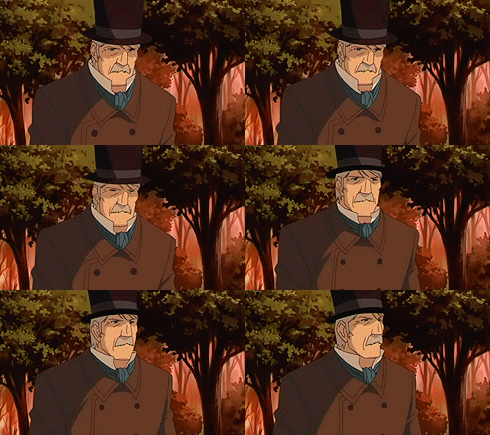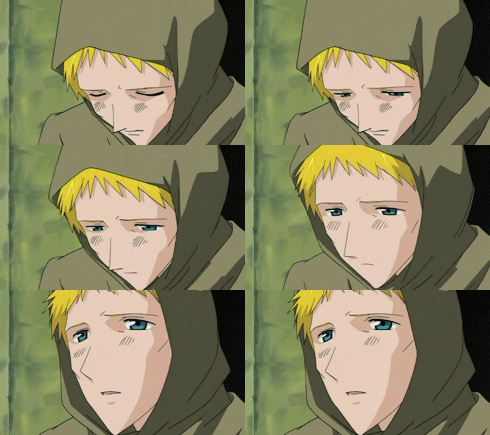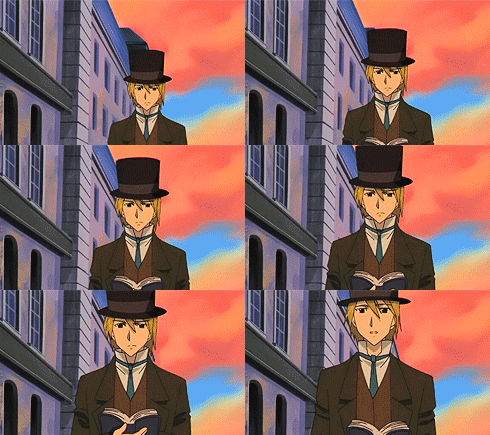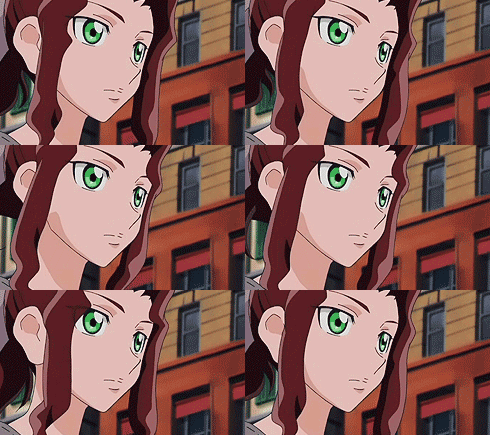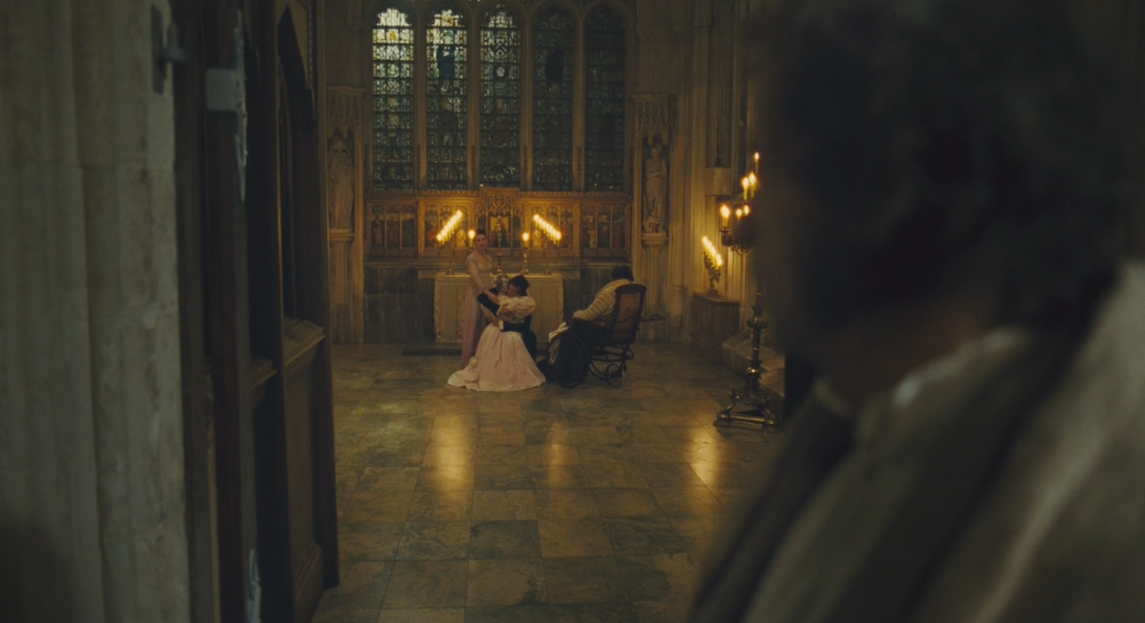
Fantine gets a family, if only for a moment

The other night, instead of doing any of the 24601 things I was meant to be doing, I made this instead. Not to be used as a substitute for reading the book! Unless of course you want it to be.
Tumblr is a dick and probably won’t let you see the actually readable version, so click here to see it. Please feel free to point out any massive inaccuracies but be gentle
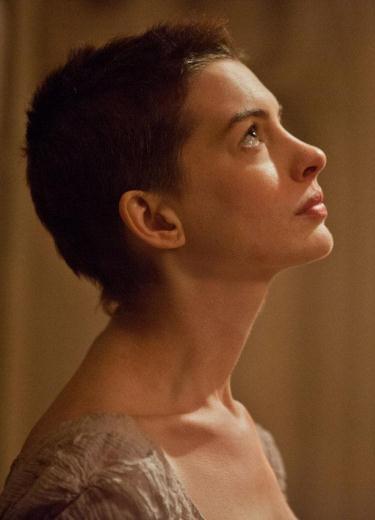
This is the third time I’m restarting this post about Fantine. It’s difficult for me to know how to begin talking about this character who has been so important to me over the past 14 years. I just passed her death in my reread, and she has been on my mind a great deal. Fantine is a woman capable of many things. She strikes for Paris completely on her own when she is a teenager. She feels sympathy for old cart horses. She manages to laugh with her friends when the man she loves leaves her, waiting until she’s alone to cry. Courage, compassion, dignity. A woman anyone would be lucky to know.
But not many people do know her. She slips away, unnoticed by the world. Even her daughter, the most important person in her life, leaves her life by a chain in the road. Fantine thinks that she’s giving Cosette shelter and safety and even playmates; she’s wrong. Fantine is wrong about a lot of things. She thinks the Thenardiers will give her daughter the dress that she buys with the money from her hair. She thinks that she saves Cosette from disease with the money from her teeth. She thinks, until the moments before her death, that she will see Cosette again.
If you saw her on the street and actually noticed her, you wouldn’t know all of the untrue things that she believed. You wouldn’t know how she was fired and too simultaneously ashamed and proud to speak to the man who supposedly fired her when he would only humiliate her a second time (wrong again). You wouldn’t know that she had been in an abusive relationship. You wouldn’t know why she had no hair and front teeth. You wouldn’t know about the moment she decided “All right! I’ll sell what’s left.”
She was wrong about a lot of things, but based on what she knew, “all right, I’ll sell what’s left” was the right thing to do. In this book, what society deems wrong is often right. Breaking parole, becoming a prostitute. Both Jean Valjean and Fantine have their plights related to Christ’s at various points. To me, Fantine’s love is divine and radical in its abjection. Lose her place in society completely, endure what she clearly does not want to endure? That’s fine. She expects nothing but her daughter’s safety in return for her sacrifice. She dreams of Cosette, and in the hospital she believes she will see her again, but at the moment of “all right, I’ll sell what’s left,” she stares down an endless dark tunnel and chooses to answer it anyway. She might not be able save herself, but she’ll be damned if she doesn’t save her daughter.
Courage, compassion, dignity. You’d be lucky to know her. But you wouldn’t.
Jean Valjean did, though. He notices her – too late for Fantine, but in time for Cosette. And make no mistake, this is Fantine’s victory. She saves her daughter through Jean Valjean. The Bishop is the source of virtue in this novel; Fantine is the source of love. She completes Jean Valjean’s salvation. She does not die with a resolution to her agony in the garden. She dies in misery and fear – as, I think, she always knew she might, once she decided to sacrifice everything she could. “All right! I’ll sell what’s left.” I will give up my hope if it allows me to hope for you.
Hers is the bleeding, burning heart of an unsaved savior. She is buried in a pauper’s plot. You wouldn’t notice her there any more than you would have noticed her when she lived. But her legacy is love. The people she brought to a state of love – Jean Valjean, Cosette – amplify and spread her gift. Her love lasts and lasts and lasts. That you might notice. You wouldn’t know it was from her. But in her short time, Fantine made the world better.