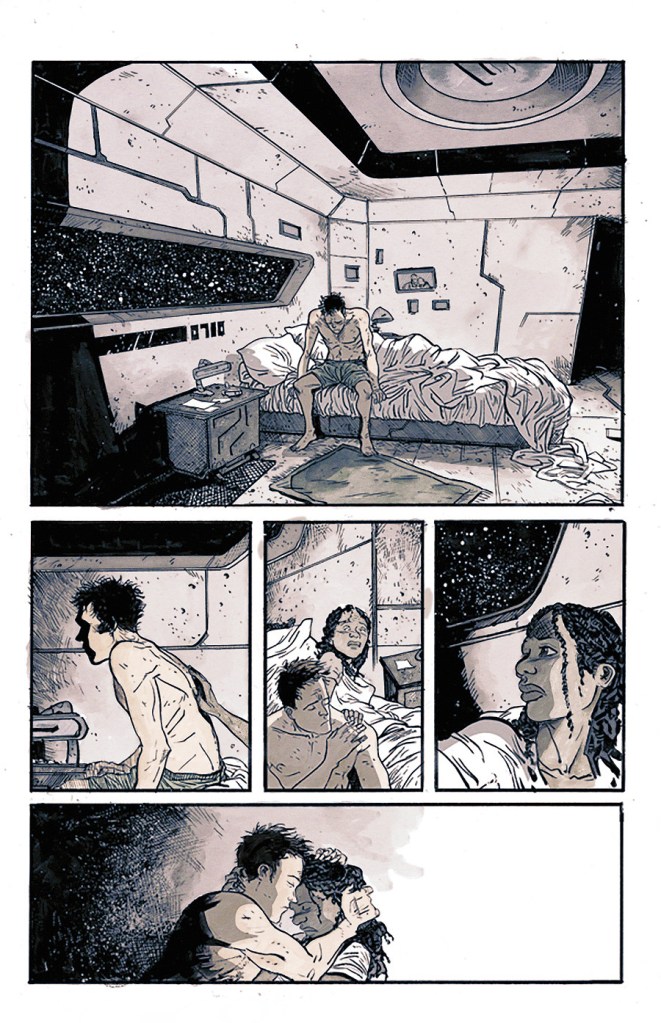
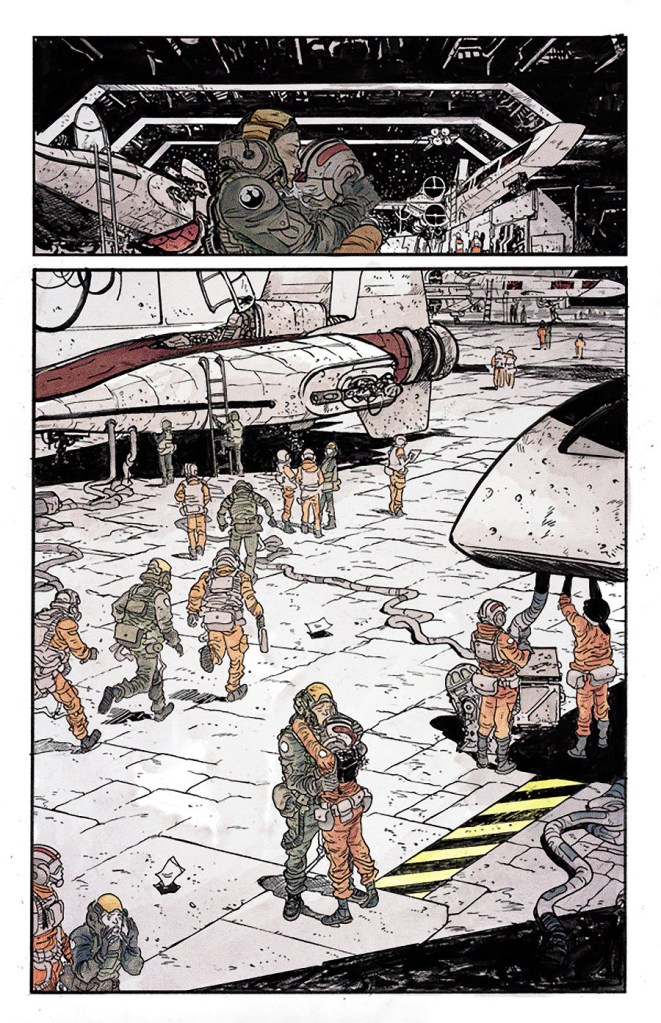
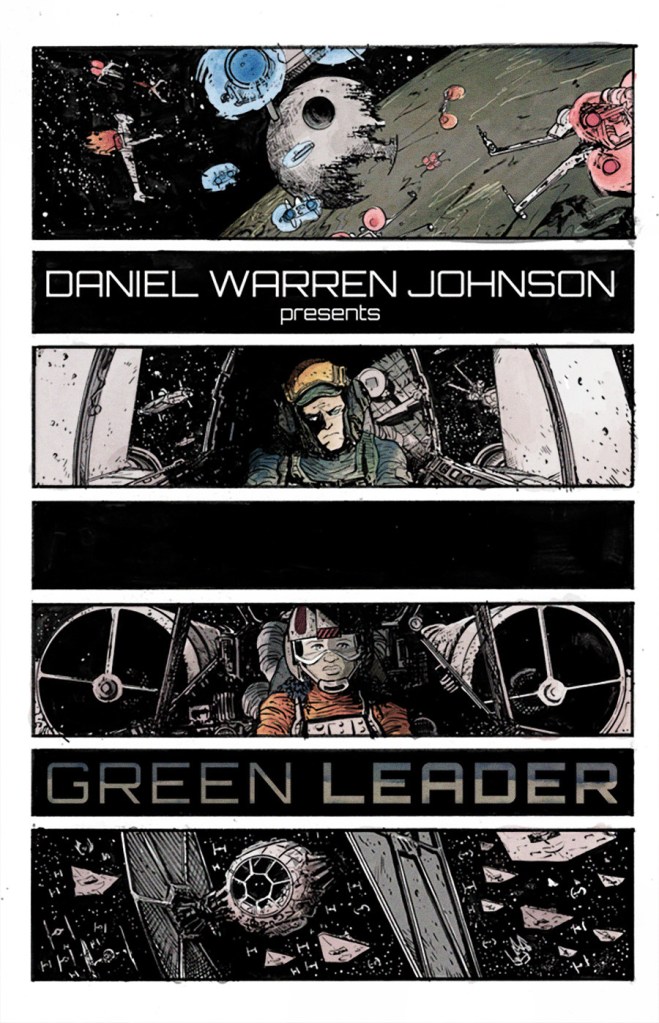
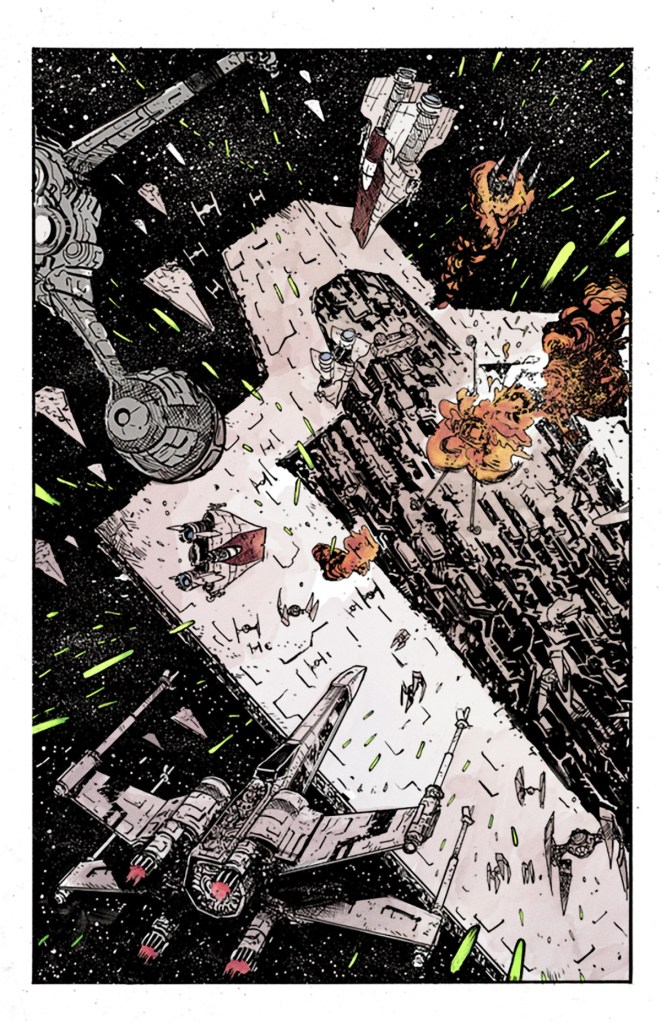
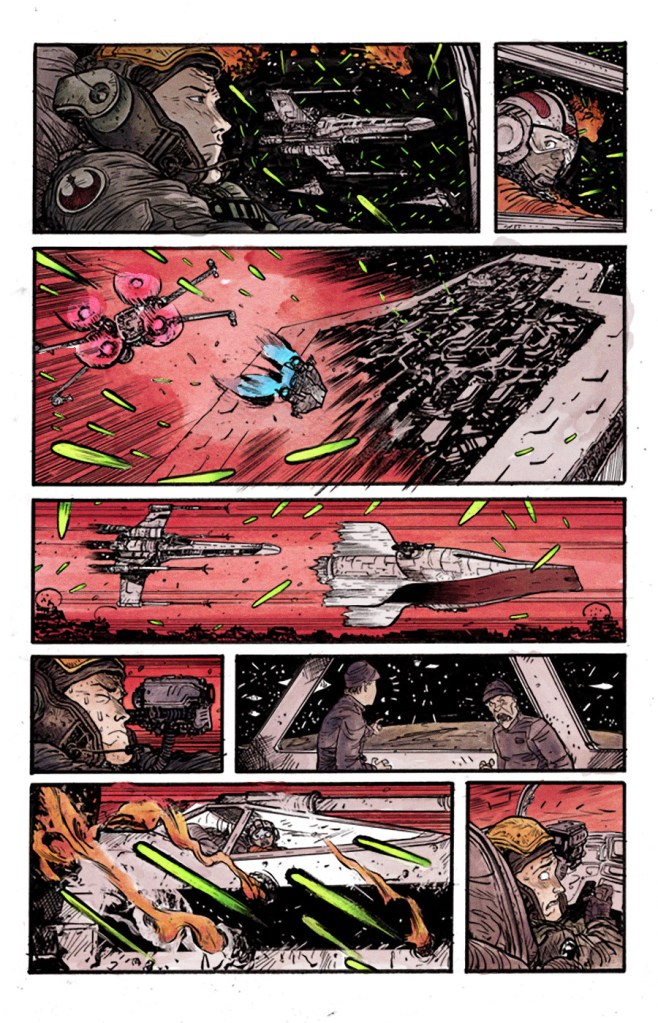
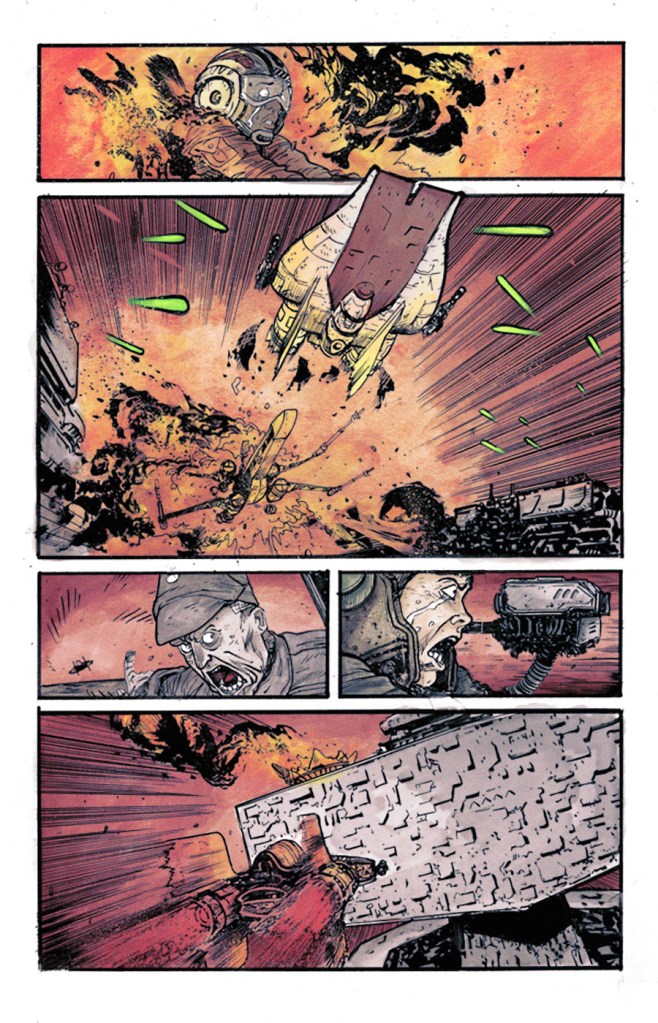
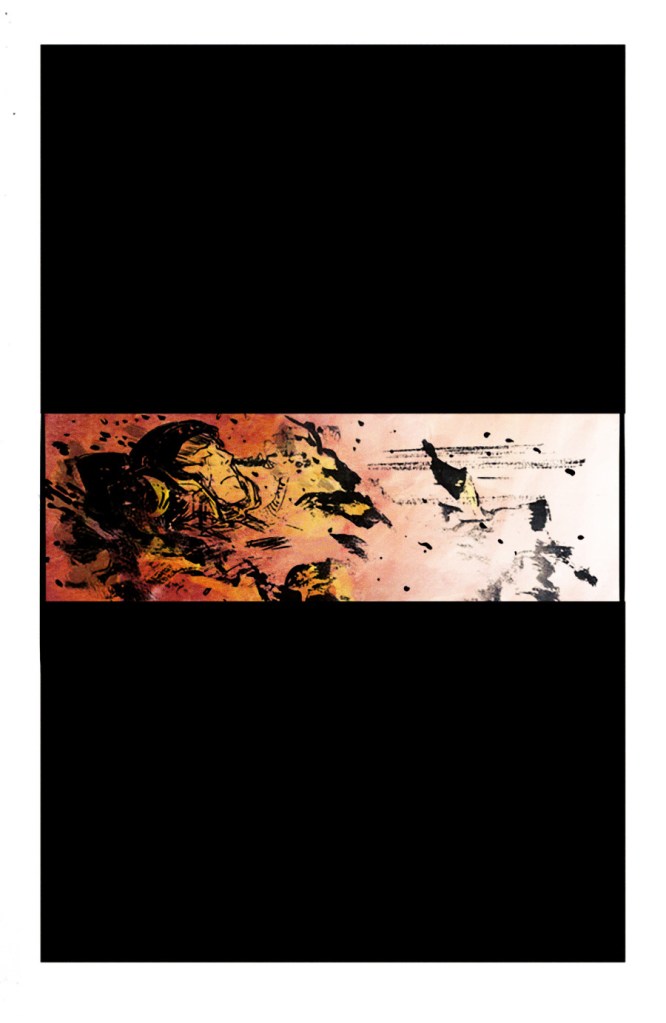
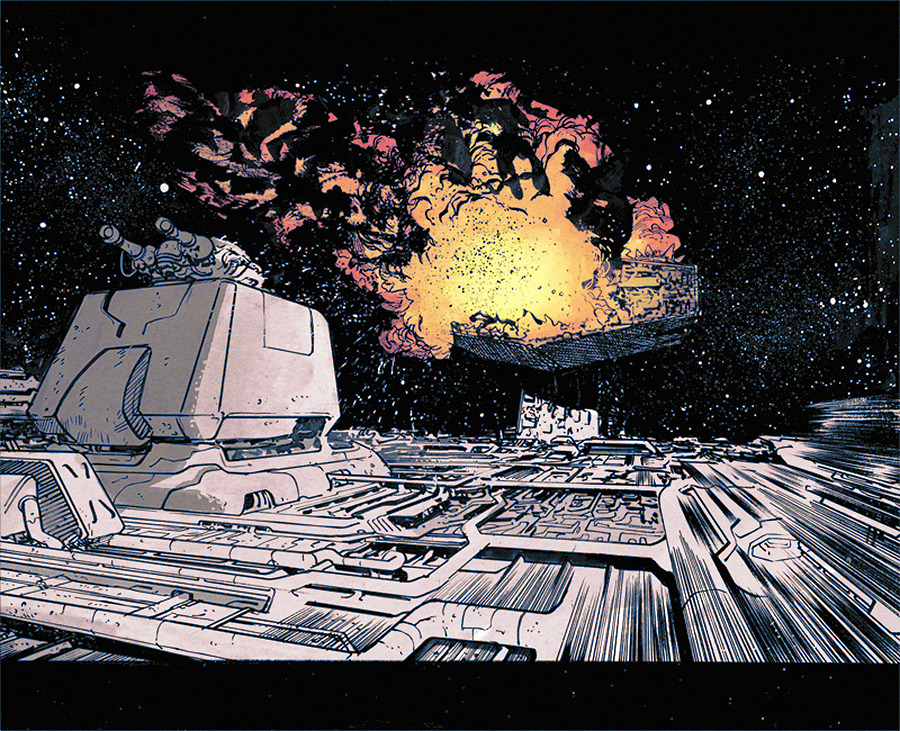
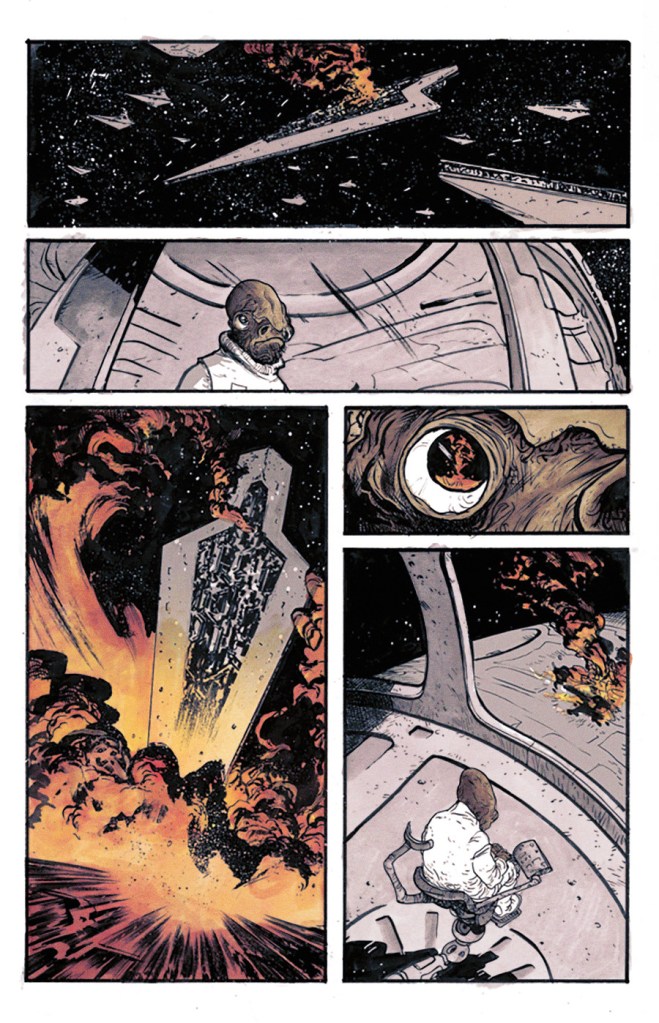
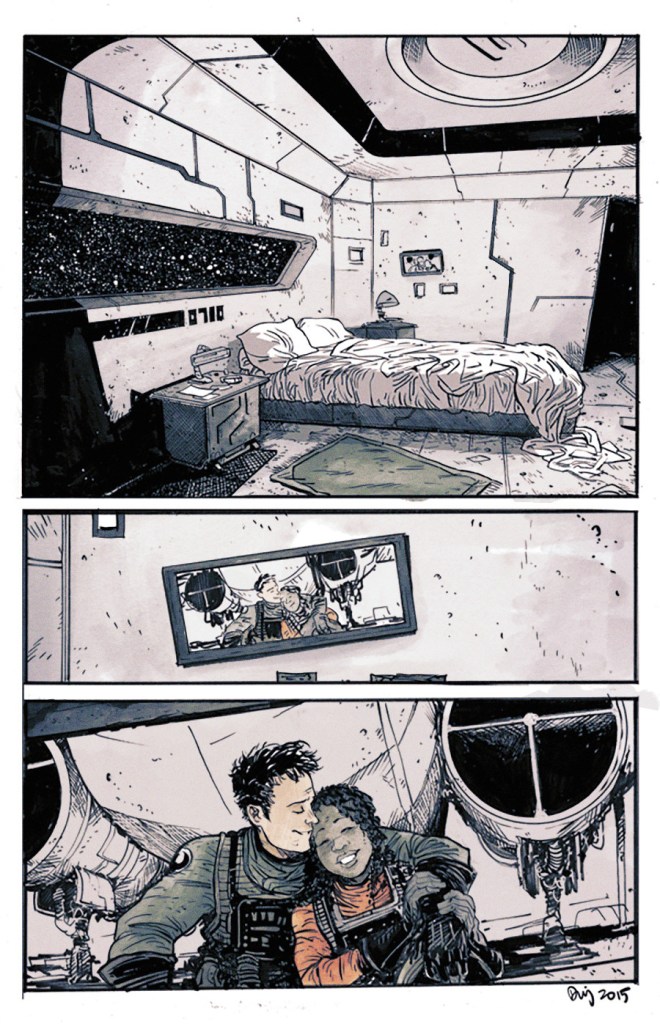
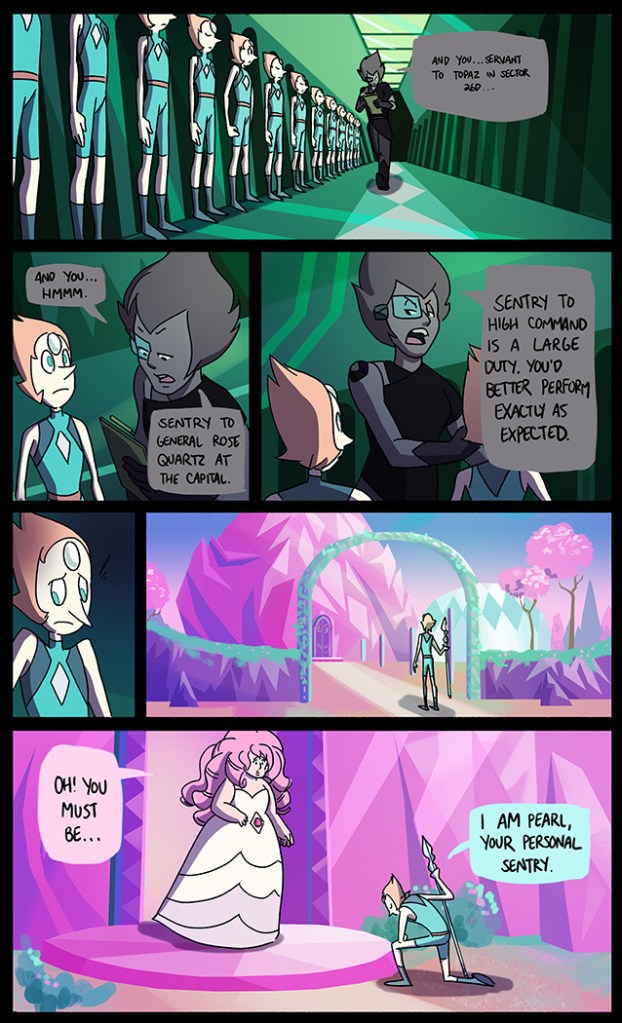
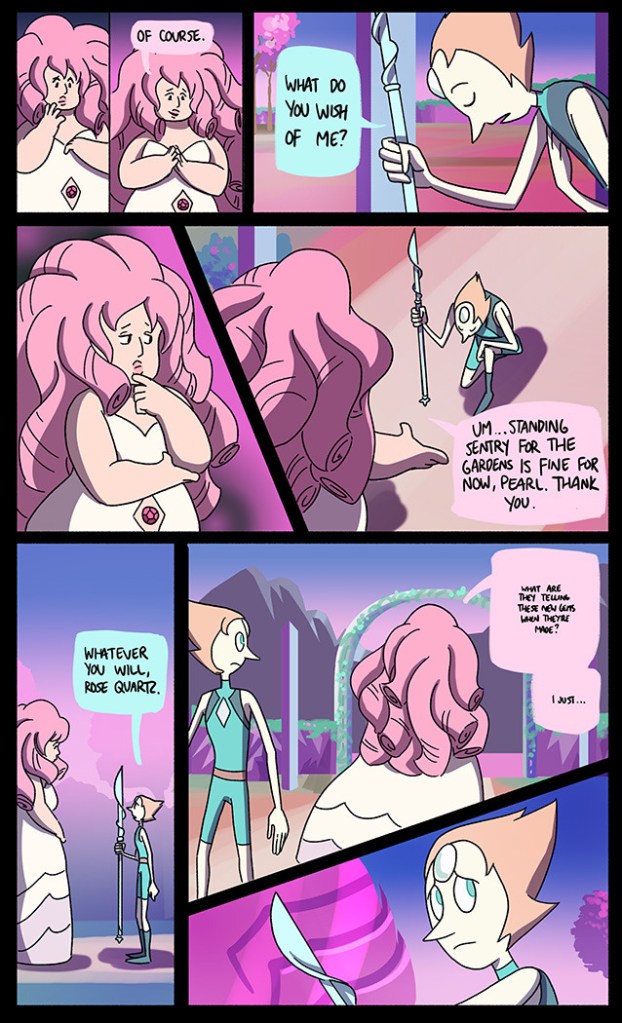
Green Leader, art and story by Daniel Warren Johnson, colors by Matt Davis
oh man
I don’t know if it’s intentional or not
but Garnet’s future vision (especially in the eponymous episode Future Vision) manages to be a more accurate metaphor for what living with OCD and intrusive thoughts are actually like than any depiction of OCD I’ve seem on television
especially the contrast between Steven and Garnet. Steven’s clearly suffering from it and has severe anxiety from all the things that he’s seeing (or rather, hearing from Garnet).
Garnet on the other hand has managed to cope with it to the point where it doesn’t effect her, but makes it clear in the episode’s climax that she still has to deal with constant, unending, reminders of all the ways her friends can get hurt.
The /very/ powerful line “I see so many things that can hurt you, I should have never let one of them be me.” is what really sells it for me.
And it makes me happy to think that the kids in the audience dealing with OCD can find something they can relate to.


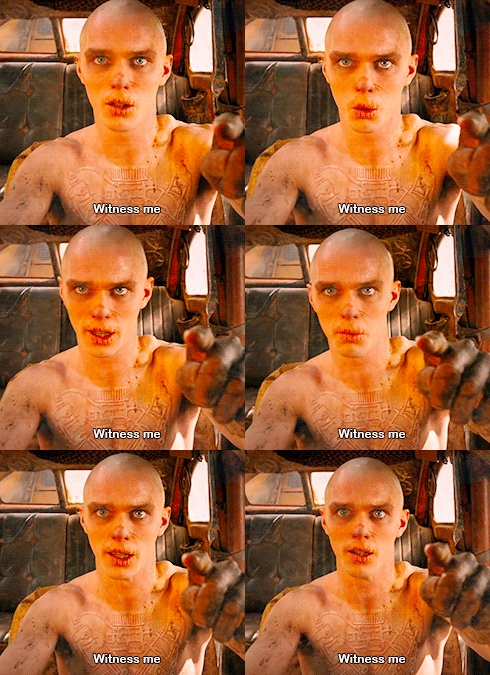
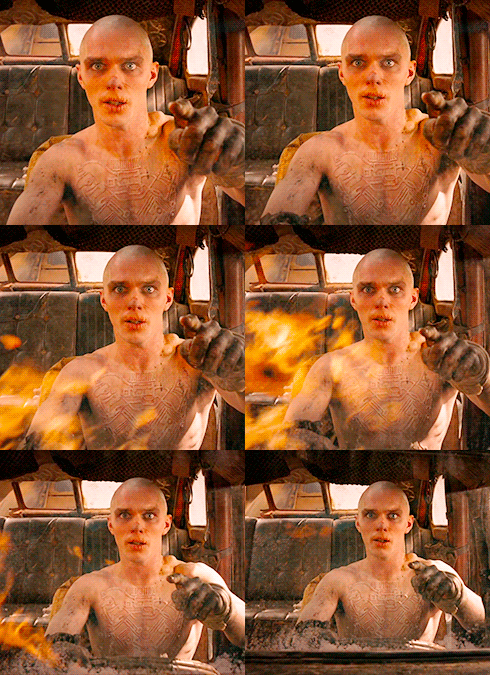


How to: break my heart. A tutorial by Mad Max: Fury Road
Let’s talk about this scene a little, because I noticed a particular detail in my last viewing that’s had me buzzing and buzzing crying a lot.
Let’s start with the obvious: the whole film Nux has wanted to establish his life has some meaning by dying “historic on the Fury Road.” Of course, all his previous efforts were attempts to continue things the way they were–in Immortal Joe’s terms. Thus, those deaths would not have really been historic. They would have been forgotten, just another blip in the status quo. In crashing the rig and allowing the wives to return to the Citadel, Nux does in fact fulfill his wish to die historic–without his actions, the wives likely would not have been able to return to the city and enact the changes they inevitably do. His death matters in a way none of the other deaths in the film do–it matters to changing the future, and thus becomes an important part of the future Citadel’s history.
Nux only knows how to do that in his own terms, though–the terms of the War Boys. Thus, his death only gains significance if it is witnessed. For Nux, the action itself is not as important as it being seen and acknowledged. This makes a lot of sense in terms of Immortal Joe’s world and its patriarchal structure. Individuals are not important, actions don’t matter unless they are showy and seen–all life boils down not to meaningful actions but to showing off.
But here’s why this film is a feminist masterpiece, and why this scene in particular cements that: Capable’s reaction.
Capable does witness him. She locks eyes and acknowledges the significance of his action, of his inevitable death. But she doesn’t respond like one of the War Boys–when the War Boys die asking to be witnessed, the others respond yelling “Witnessed!” This answer does say, “I have seen your action, it matters,” but hollered with usual the War Boy bravado, it also acts as an attempt for the witnessing War Boys to build up their own importance by making themselves part of the action.
Capable does not yell “Witnessed.” She responds with a gesture–holding her hand out and pulling it toward her heart. This is the Vuvalini’s gesture of mourning–a beautiful gesture that essentially mimics pulling the lost soul into one’s own heart. Capable has only just learned this gesture, but she seems to innately understand its significance. Thus, while she witnesses Nux’s death, she refuses to “witness” him in the sense of the War Boys and instead mourns him in the manner of the Vuvalini. Nux likely sees this–the editing implies he doesn’t turn the rig until after he’s seen the gesture. Thus, he knows he is witnessed, but more importantly, he knows that he will be mourned and remembered. With that knowledge, he finally has the strength and the worthy reason to sacrifice his life for a cause that matters.
This moment is also the moment Immortal Joe’s power is officially broken. Yes, Joe is dead, but Rictus and a whole gang of War Boys and their ilk are photon their wheels, ready to re-establish the status quo. In many ways it is a transfer of power–the last call to witness leads to the first time the Wives truly embrace the culture and ideology of the Vuvalini as their guiding principle. Joe’s power is broken not so much by the explosion–though that is certainly the blunt force that finishes the deal. Joe’s power is broken by self sacrifice–a self-sacrifice born not of bravado or the hope of becoming a legend, but one born of community, of love, of hope. Capable’s response guarantees that Nux’s sacrifice will be honored and remembered, but in a new way in their new world.
I’m having emotions over the simple, quiet way he reaches out a hand towards her, and say “Witness me”. Every other time that line has been said, it’s been all cock-swinging showman testosterone. It has been screamed and bellowed and roared in pain and fury and violence.
And here, this lost War Boy looks into the eyes of the first person who spoke to him with kindness and compassion, and she is the only person he cares about in this moment: she is the only person he wants to witness him, because she is the most important person to him.
And her response could not be more perfect.
Goddamnit I’m crying again
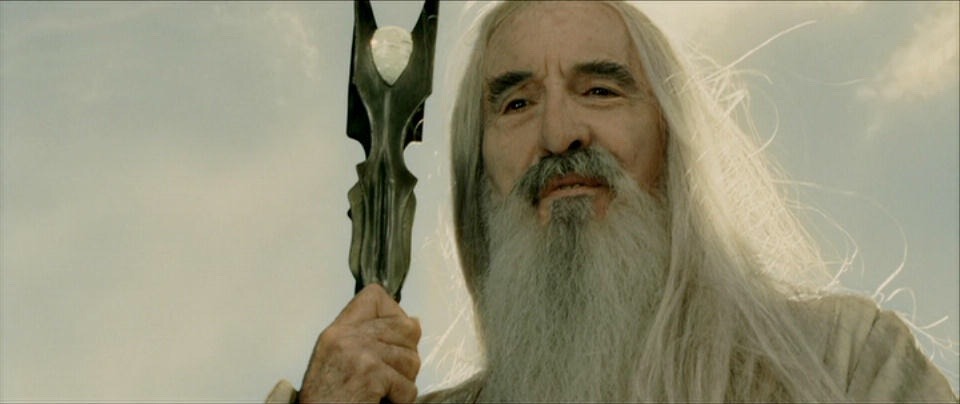
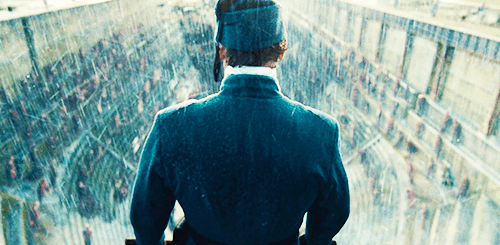
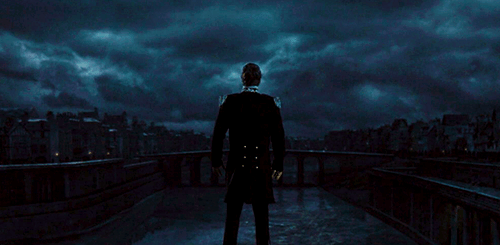
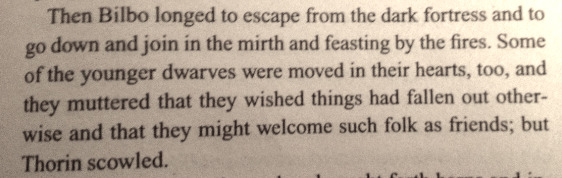
“the younger dwarves”
you mean fili and kili
they wanted to be friends with the elves
they even spoke about it in front of thorin (under their breaths but obviously not out of earshot)
they wanted this quest to end with peace and harmony in the land just like the erebor they heard about in stories growing up
and they could have seen it happen
after the battle of the five armies everyone banded together and the alliances were remade again
they could have sat with elves and men around a fire and sang songs with them and finally come home

““Grantaire,” he shouted, “go get rid of the fumes of your wine somewhere else than here. This is the place for enthusiasm, not for drunkenness. Don’t disgrace the barricade!”
This angry speech produced a singular effect on Grantaire. One would have said that he had had a glass of cold water flung in his face. He seemed to be rendered suddenly sober.
He sat down, put his elbows on a table near the window, looked at Enjolras with indescribable gentleness, and said to him:—
“Let me sleep here.”
“Go and sleep somewhere else,” cried Enjolras.
But Grantaire, still keeping his tender and troubled eyes fixed on him, replied:—
“Let me sleep here,—until I die.”
”
Volume IV
Book Twelfth.—Corinthe
Chapter III. Night begins to descend upon Grantaire
(via roseshavesteelthorns)
1 2