my friends and i have this weird inside joke we do where if we go to an amusement park together and go on rollercoasters we have this game of “rollercoaster confessions” where you have to turn to the person next to you, right at the very top of the hill before the first big drop, and tell them a ~shocking confession~ e.g. “i am secretly an alien” “i killed mufasa” etc
this is best if you time it EXACTLY RIGHT so that you are turning to them and saying “i am the true author of my immortal” and then immediately before they have a chance to react the rollercoaster is falling and everyone is screaming as if in shocked response to your dramatic reveal
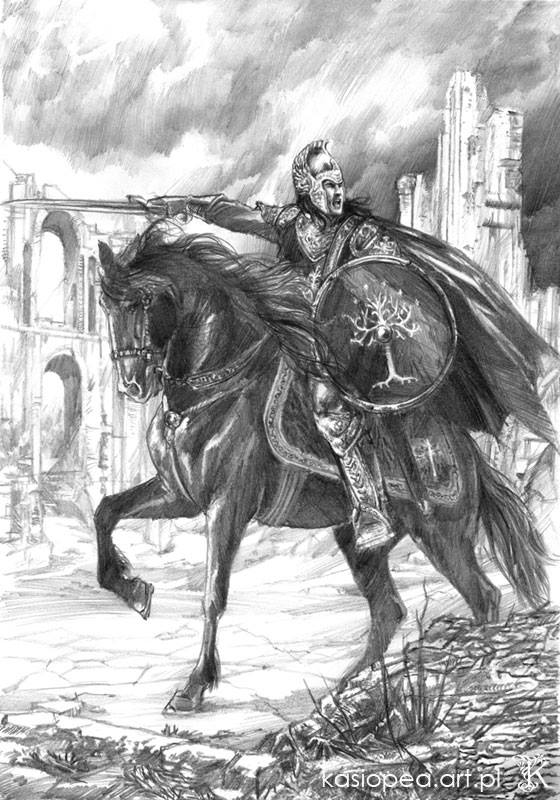
“And
very valiant indeed he was: no heir of Minas Tirith has for long years
been so hardy in toil, so onward into battle” – Boromir defending
Osgiliath
It’s still technically Barricade Day 2015, so here’s my humble contribution:
Rapports sur les opérations et les faits militaires auxquels la garde nationale a pris part dans les journées des 5 et 6 juin
aka
“Reports on the Operations and Military Events in which the National Guard Took Part on the Days of June 5th and 6th”
These are French military reports produced for the government in the immediate aftermath of the June Rebellion. Composed less than a week after the fall of the barricades (12 June 1832), they contain eyewitness accounts of the actions of the Army, the National Guard, and the Paris Municipal Guard. While obviously very biased against the republicans, they represent a unique, fresh perspective on the events that Hugo depicts in Les Misérables.
The reports are all in French (and can be found via Google books), but I’ve done my own (very rough) translation of certain excerpts. Here’s an account of Lamarque’s funeral:
At Madeline, some young men who were marching under a particular flag, and who were called the “Amis du people,” wanted the soldiers, after having paid respect to the funeral wagon, to take up arms behind them. They addressed the troops, saying to them, “We are counting on you, my friends, you can count ‘on the Amis du people.’” These words corresponded with the dangerous proclamations that had been disseminated the night before in the barracks, with the goal of diverting the soldiers from their duty.
And here’s a description of the barricades around the Cloister of Saint-Méry. which Hugo used as the basis for his fictional barricade in Les Misérables:
Resistance was most strongly organized at the junction of Rue des Arcis, Rue Saint-Martin, Rue Saint-Méry and Rue Aubry-le-Boucher. There, paving-stone barricades had been established in each of the streets. The four houses that stood at the intersection had been barricaded, and paving stones, rocks and pieces of wood were being thrown from every window.
The rest of my (again, super fast and likely inaccurate) translations are below the cut, as well as a rough guide of the reports. Hopefully, some of you will dig in and suss out more good stuff that I haven’t found yet!