important

kateoplis:

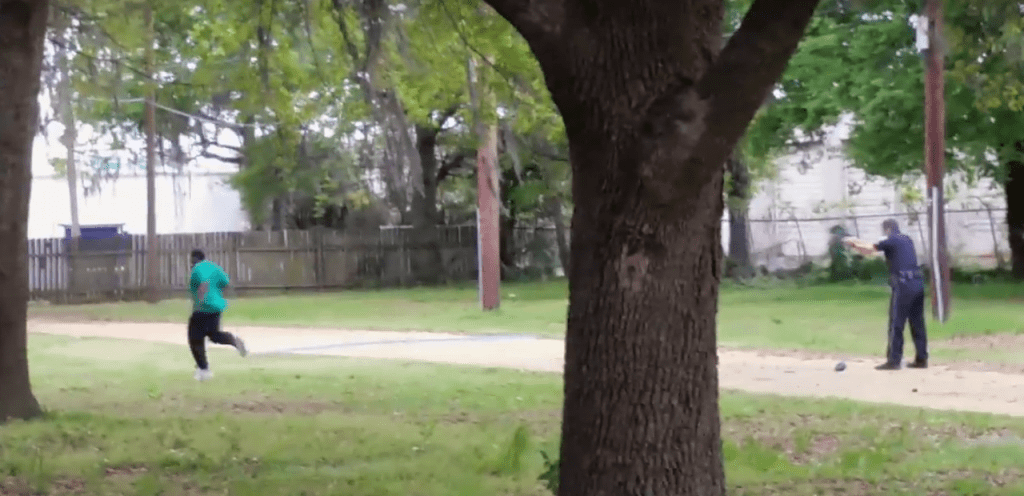
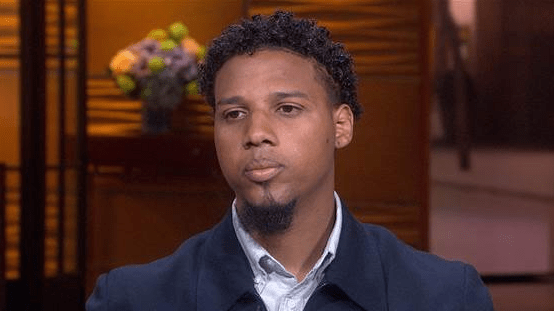
“I won’t deny that I knew the magnitude of this, and I even thought about erasing the video. I felt that my
life, with this information, might be in danger. I thought about erasing
the video and just getting out of the community, you know Charleston,
and living some place else.”

“I recorded the video so that maybe he can feel that someone is there. There were just the three of us in that moment. I couldn’t
tell what was going to happen, so I just wanted him to know that he’s
not by himself.”

23-year-old Dominican immigrant, Feidin Santana, Who Recorded the Walter Scott Shooting: “I’m Still Scared.”

nativehueofresolution:

snuckybarnes:

mezopotato:

deanwincherter:

image

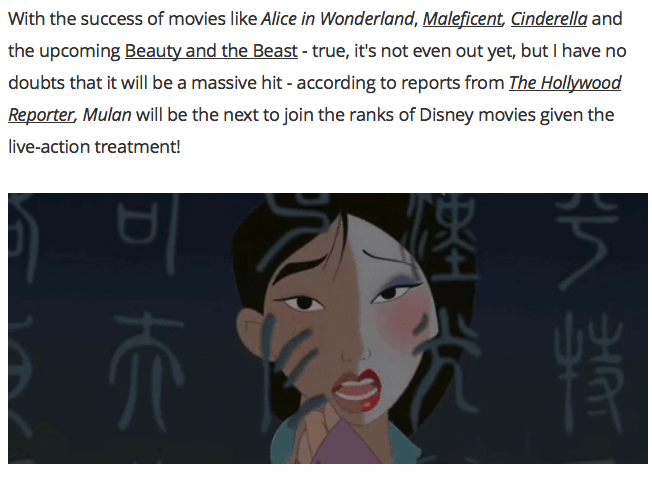
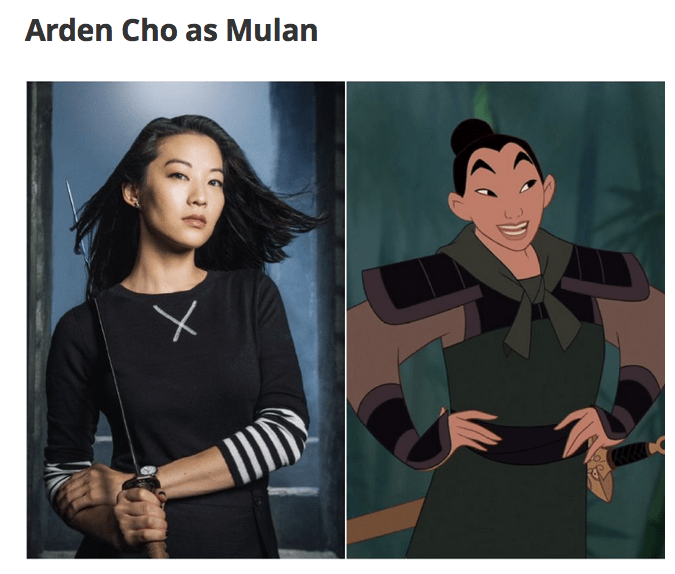
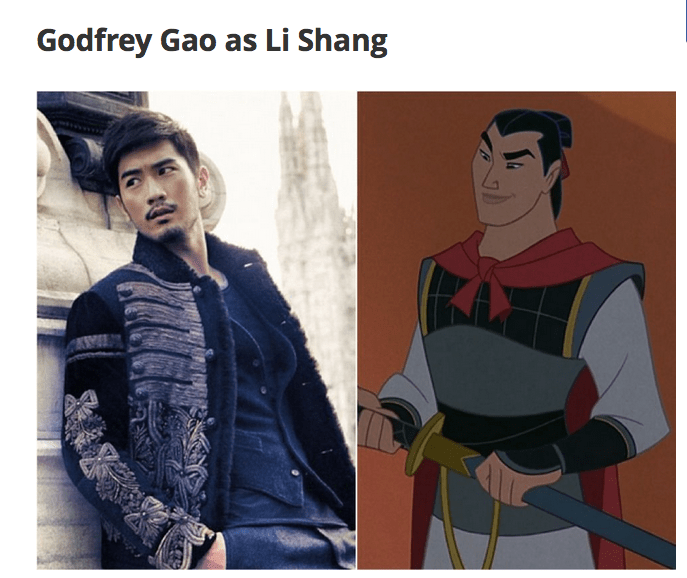
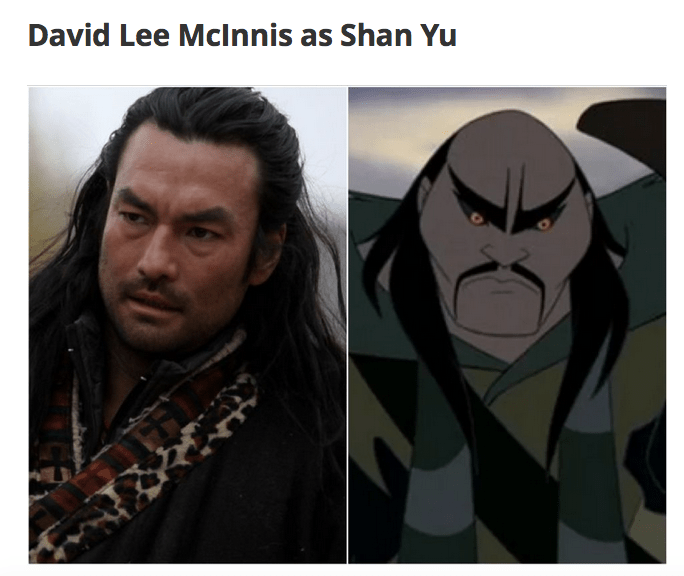
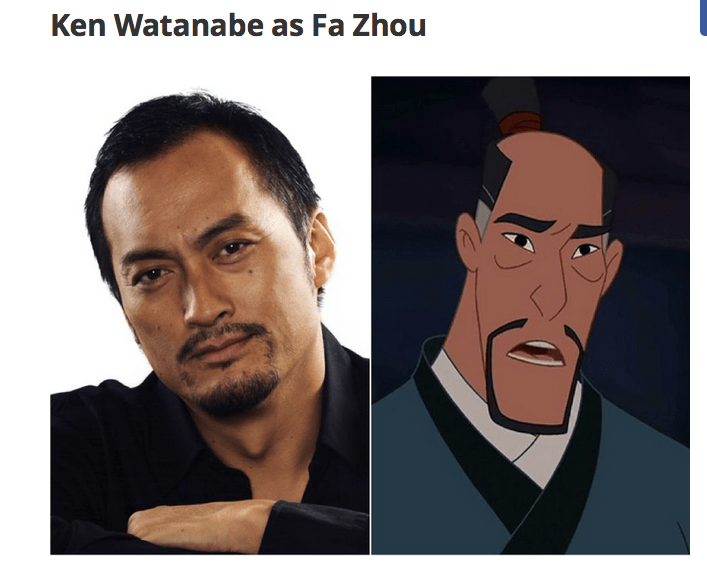
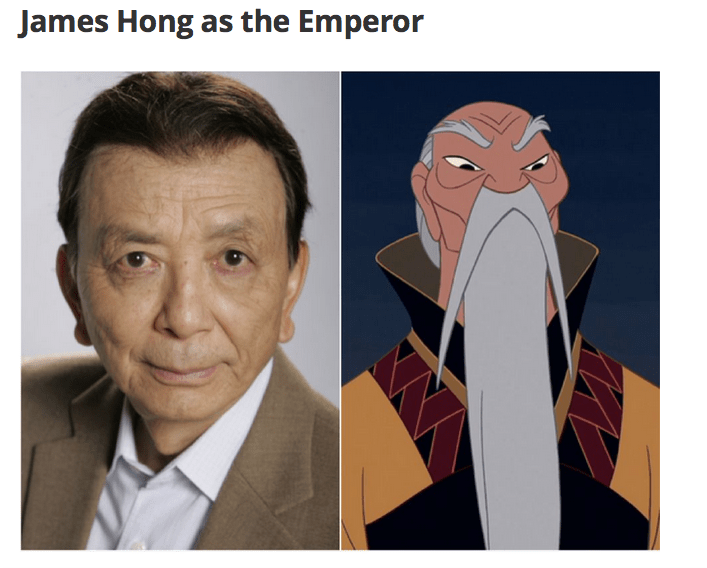
hollywood, you don’t need to look for people anymore. tumblr has done it for you

it would be really nice to have ming na wen play mulan’s mother, since she voiced mulan in the original movie

adren cho and david lee mcinnis are korean american, and ken watanabe is japanese. while all of them are very talented actors, they are not chinese like mulan and co. let’s not fall into the hollywood trap of treating all asians as interchangeable, when they are distinct peoples with very different cultures. 

towardsagentlerworld:

therealkimiknox:

misandry-mermaid:

orphanspace:

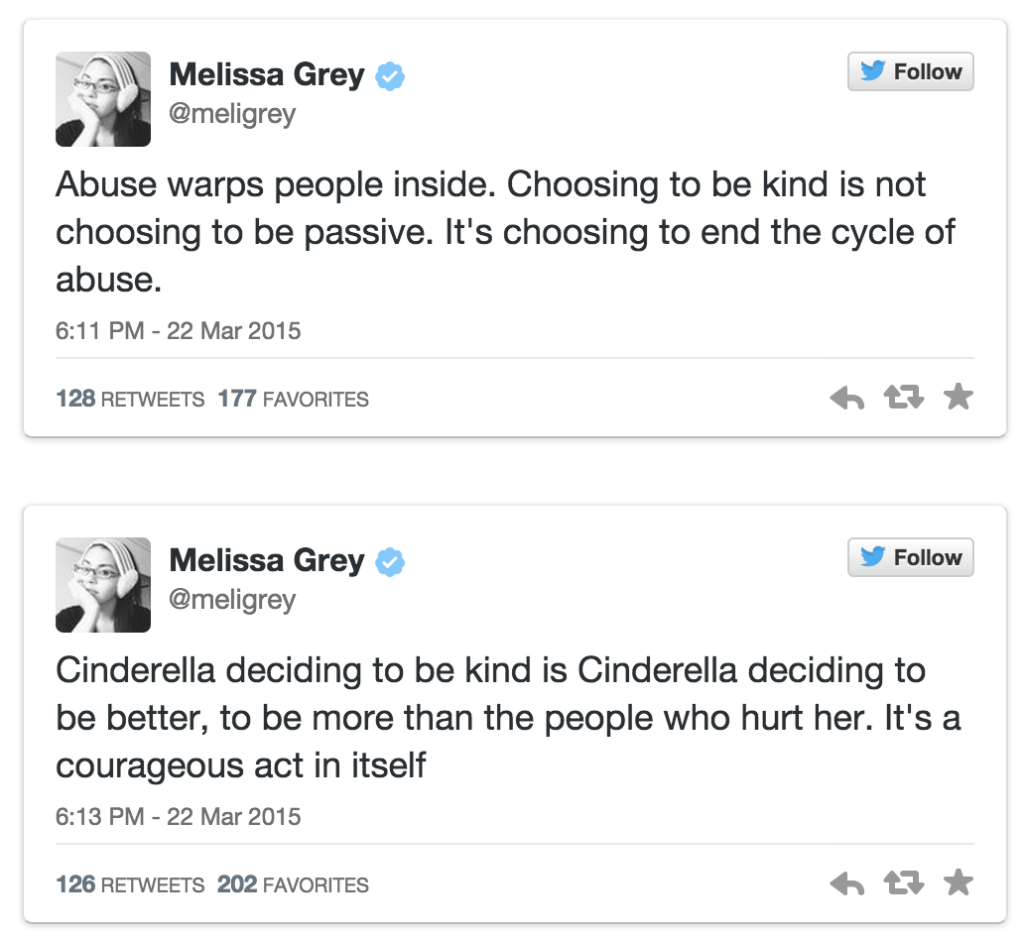
when you tell a man how he has hurt you and his response is “oh I’m such a piece of shit I’m a terrible person omg omg” and mentions/does nothing at all w/re: to your pain

(and then you’re the one reassuring and comforting him of course you are, again)

This is a abuser tactic. If a man does this, he is a toxic person and a manipulator who needs to be avoided forever.

👆

no no no no no

Tumblr, you have a serious problem where you call all unhealthy interpersonal behavior “inherently abusive”.

I know many kind and caring people who do this. These are people who have guilt and anxiety issues; realizing that they’ve hurt someone they care about can send them into a panicky spiral of self-flagellation.

I sometimes do this. Occasionally when I learn that I’ve hurt someone, I go into a state of sick guilt that I’ve written about before:

At its extremes, guilt is paralytic: I can’t really do anything except curl into a ball and apologize profusely and hope that the other person doesn’t hate me. Sometimes my anxiety will prompt me to try and make amends, but I feel so underconfident that I second-guess all my thoughts on how to do that, and so I’m left with wretchedly apologizing over and over again… Generally I can only productively deal with a mistake [by thinking about the situation clearly, diagnosing where I went wrong, and coming up with a plan to avoid causing harm in the future] once I’ve worked through my guilt.

I’m completely aware that this is unhelpful and unhealthy behavior. And it would be completely reasonable for someone to say, “Look, your behavior makes it hard for me to tell you when you’ve hurt me. This is a deal-breaker; I can’t be close to someone when I feel uncomfortable telling them that they’ve violated my boundaries, or when I have to comfort them every time I tell them they’ve harmed me.”

This would be perfectly valid, and I would never try to stop anyone who wanted to leave me for this reason. That would be abusive.

But I really resent being told that since I sometimes have guilt spirals, I’m inherently a “toxic person and a manipulator who needs to be avoided forever.”

Everyone has the right to set their own boundaries. “I won’t date or be friends with anyone who goes into a guilt spiral when I tell them that they’ve hurt me” is a perfectly valid boundary. It’s also perfectly valid to not have that boundary. I personally do not find it stressful to interact with people who go into guilt spirals; I’m okay with comforting and reassuring them and helping them work through their guilt, and waiting until they’ve calmed down to have a more productive discussion. Because my boundaries and preferences allow it, I often have positive and healthy relationships with people who work this way.

So I’m concerned about how Tumblr discusses things like this. I’m concerned that people like misandry-mermaid, who have so many followers, would casually call everyone with an anxiety disorder “toxic people and manipulators”. I’m concerned that Tumblr creates a narrative where every behavior is either Completely Valid And Above Criticism or Inherently Abusive And Evil.

Tumblr, do you realize how many anxious, kind people will read posts like this and conclude that they’re horrible toxic abusers?

And by constantly emphasizing this narrative of “horrible toxic abusers”, do you realize that you’re making it harder for people to set their own boundaries in all cases where they don’t think their partner is a horrible toxic abuser? Do you realize that you’re making it harder for the girl who knows her boyfriend loves and cares about her, but who still can’t healthily be in a relationship with him because of his anxiety issues?

Please be careful when you create narratives. Someone doesn’t have to be evil or abusive for you to have a boundary that precludes engaging with them. And the only behavior that’s inherently abusive is refusing to respect the boundaries that other people set.

bluedissolve:

Some of the posts I’ve seen lately (particularly those about LGBTQ youth suicides), as well as the general way I’ve seen people on tumblr tending to talk about suicide, have seriously concerned me as potential causes of suicide contagion. 

Suicide contagion (or “copycat suicide”) refers to the phenomenon of a spike in suicides (or “suicide cluster”) that emulate an original “model” suicide, the details of which have been highly publicized without taking protective measures. 

In order to prevent this, most media outlets have guidelines to encourage the responsible coverage of suicide (in extreme cases, the mention of suicide is completely banned). Unfortunately, people posting on social media sites and blogs are not subject to the same guidelines and may not be aware of the potentially devastating impact that their actions could have. To help people discuss suicide in a responsible way, I’ve compiled a list of some of the factors that can cause suicide contagion.

Factors that can contribute to suicide contagion effect:

-glamorizing of the suicide or the deceased; implying that their death was purposeful, noble, or heroic in any way; (specific to LGBTQ people) turning the deceased into a martyr for the cause

-sharing details of the method of death (especially graphic or explicit details or photos)

-sharing photos of the death, funeral, or memorials

-quoting or sharing excerpts from or complete suicide notes

-implying that one specific event triggered a suicide; ignore the multitude of factors that contribute to suicide

-using dramatic, sensationalist or graphic language and images; repeated discussion or coverage of a suicide

-presenting suicide as a viable, valid, or liberating option 

-referring to a suicide as successful/failed rather than using more neutral language such as completed/attempted

-turning the deceased’s social media pages into memorials especially without careful moderation to delete potentially dangerous posts

-failing to share suicide prevention resources in posts/articles about suicide

This is not to say that the victims of suicide should not be mourned or remembered, but that we must do so in a conscientious way. The people who are most vulnerable to suicide contagion are those who occupy the same or similar demographic categories as the deceased. When we talk about the suicides of LGBT youth carelessly we are putting the most vulnerable members of our community at risk. Please keep these guidelines in mind when you are deciding what to post and reblog!

Recommendations for Reporting on Suicide

And finally, if you are considering suicide or think someone you know may be PLEASE seek help. Stay safe and look out for each other and for yourselves. 

National Suicide Prevention Lifeline (US): 1 (800) 273-8255

The Trevor Project Lifeline (Specifically for LGBTQ Youth): 866-488-7386

Suicide Warning Signs
maarnayeri:

Its really disheartening how many proclaimed activist circles are replete with the most narcissistic and oppressive individuals. Those who refuse to grow, express humility and honor foundational principles of respect and compassion in their day-to-day interactions.

Part of having “good politics” is being a good person, meaning someone who actively works to dissolve neglectful, abrasive and even abusive tendencies, within themselves and others.

We can discuss grand schemes of liberation in theory all we want, but if we can’t practice basic ethics amongst ourselves, what good can we possibly afford the world? How much of our concern with the ills of the globe is about keeping up a radical aesthetic for show and not so much with the processes of accountability and critical reflection required to dismantle some of those ills internally?

Theory without application is just literature in abstraction.