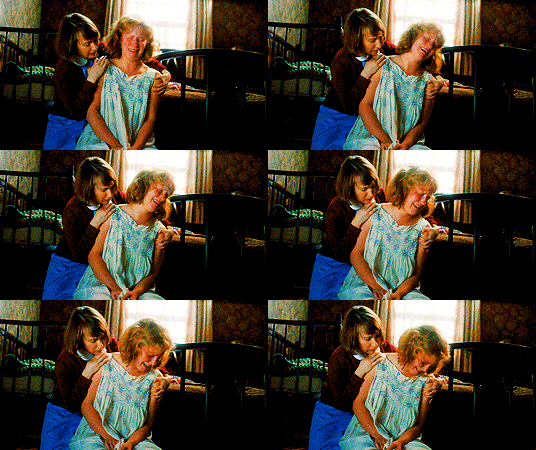
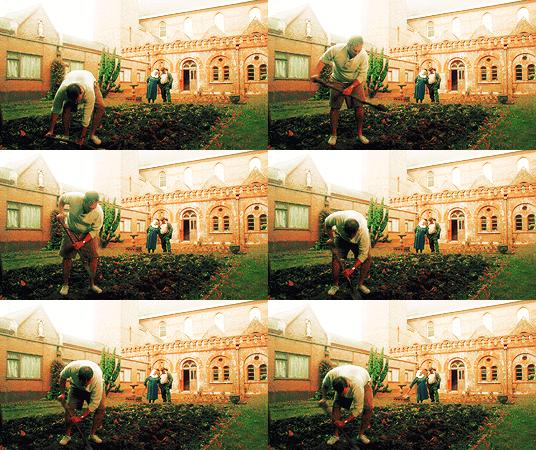
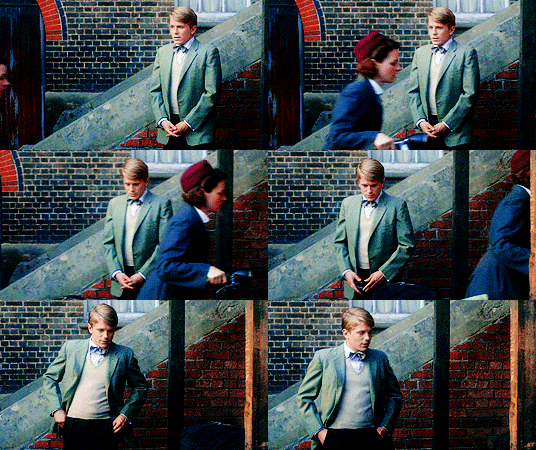
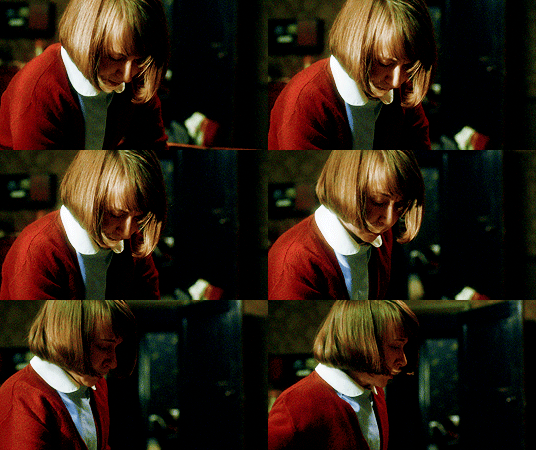
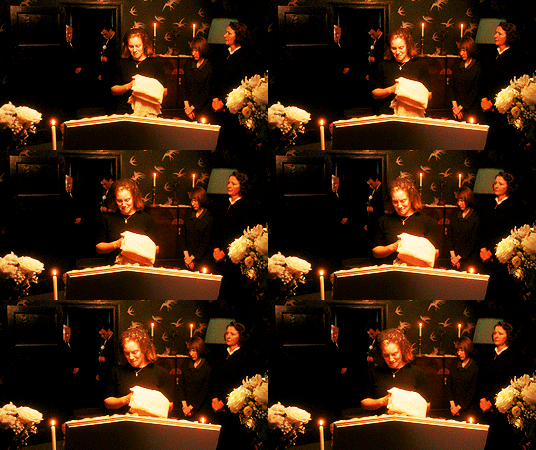
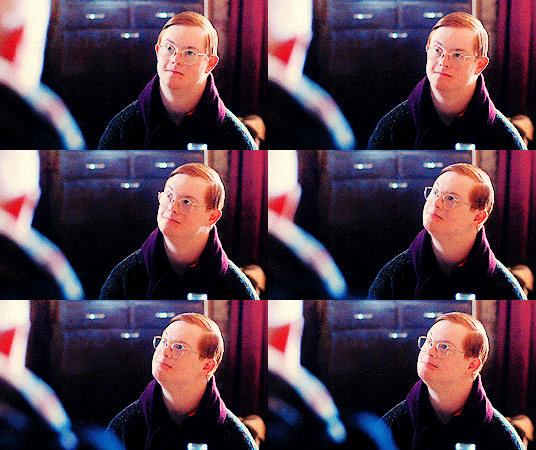
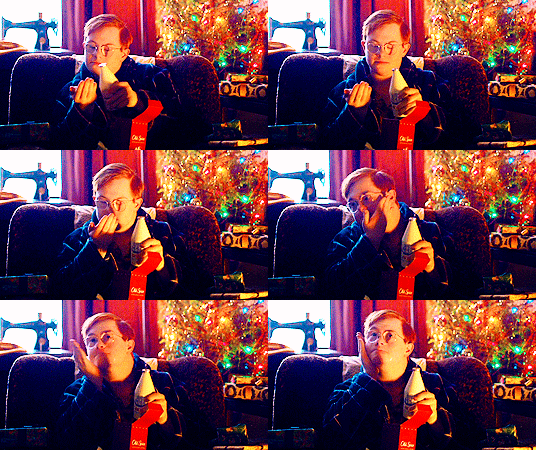
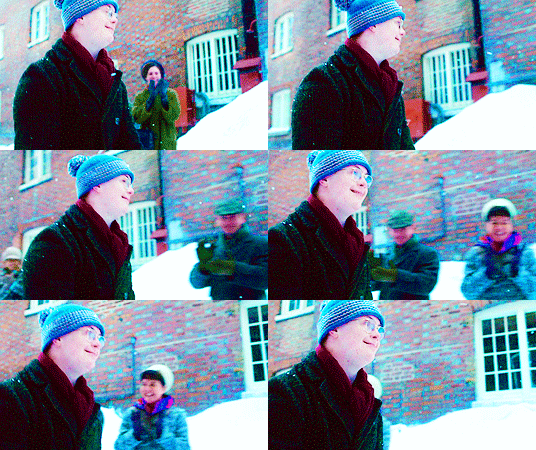
suffice it to say – the Huntington’s Disease part of that episode was upsetting to me for personal reasons, the abortion part was horrible because it partly served as a reminder that even today women aren’t guaranteed that right, and Trixie relapsing at the end was just like… the terrible icing on the terrible cake.
Ohhhh holy fuck that was the most wrenching, most depressing episode of CTM I’ve seen and that’s really saying something. I was BEGGING Trixie to not do what she did at the end and yet I can hardly blame her. bloody heeeeeell
first half of this CTM episode: so who will valerie eventually bang, lucille or madga?
second half of this CTM episode: FUCK NO NO NO EVERYTHING IS HORRIBLE ABORT ABORT ABORT (literally)
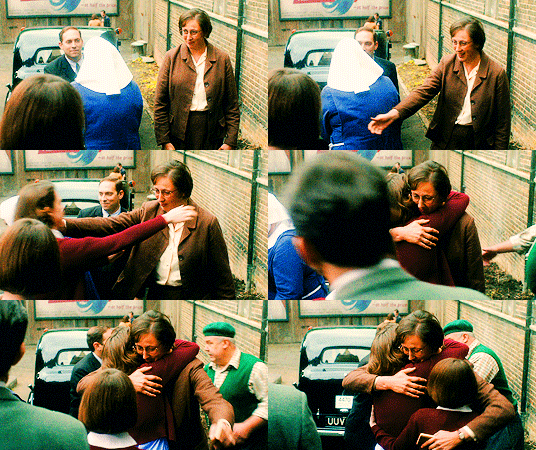
I liked the inclusion of this lady (cannot recall her name) the look of sad understanding and horror she shared with Lucille after Mae’s outburst was so sad. And the fact that she then brought food to help Lucille with missing home was so sweet.
Two things I loved about the representation of abuse in the Christmas Special:
1. A survivor/victim who handles talking about the subject better than those around her do.
2. A survivor/victim whose response to find out that their tormentor is dead is, more or less, “Ah… [pause] Good.”
Both are very, very true to life, but not often seen in fiction.
Perhaps because a lot of non-survivors like to think of victims as still being in crisis. For some reason, the way we are changed by what we go through, and find a new – especially a hardened or selectively hardened – normal, makes them very uncomfortable, despite it not being them it’s happened to.
I’m always interested, though, in the way that the programme presents the main characters when storylines like this come up.
I don’t have a huge amount of experience of abuse cases from that perspective, but in what I have, the professionals involved have usually seen it all – or most of it – before and have a grim, depressed air rather than
a distressed one.
Do you think their upset represents a time when abuse – or what was considered abuse back then, of course, which is
a whole other subject – was less likely to be discovered, and thus wasn’t got used to in the same way? Or is it dramatic license? Or are my experiences of the people who work with cases like that unusual?
Our future can never be wholly known to us. Our present, like an arrow, can point the way ahead, but we never know where it will land, or what will be waiting for us as we fall to Earth.